Madhya Pradesh, Uttar Pradesh and Andhra Pradesh were among the top-ranked states, and Indore among the leading big cities, at the SVANidhi Samman Awards 2026, given out on 20 November 2026 at the Dr. Ambedkar International Centre in New Delhi for work under the PM SVANidhi micro-credit scheme for street vendors. Housing and Urban Affairs Minister Manohar Lal presented the awards, with Minister of State Tokhan Sahu as guest of honour, according to a Ministry of Housing and Urban Affairs release.
The ministry said there were 52 awards and five special recognitions for states and Union Territories, urban local bodies, banks and partner organisations.
Who won what?
Madhya Pradesh, Uttar Pradesh and Andhra Pradesh shared the overall best-performance award among the larger states. Madhya Pradesh and Andhra Pradesh were also named for loan performance, Kerala and Maharashtra for digital adoption, and Uttar Pradesh and Haryana for linking vendor families to other welfare schemes. Among north-eastern and hill states, Assam won the overall award, with Sikkim, Mizoram and Tripura recognised in other categories. Chandigarh, Puducherry and Ladakh were the Union Territory winners.
Among cities with a population above a million, Indore, Ahmedabad and Chhatrapati Sambhajinagar were named best performers on loans. Two more Madhya Pradesh towns, Sarni and Balaghat, were recognised in the town category for loan performance. Meerut and Ghaziabad won for digital adoption among big cities, and Prayagraj and Varanasi for the welfare-linkage category.
State Bank of India got the award for overall loan performance, while Bank of Baroda, Punjab National Bank and Union Bank of India were recognised as top lenders. FSSAI was recognised for capacity building, the Indian School of Business for impact assessment, NPCI for keeping the digital system running, and Paytm and PhonePe for support as payment aggregators.
What does PM SVANidhi offer a street vendor?
Collateral-free working capital loans in stages, and now a credit card. The ministry said that since its launch in June 2020 the scheme has helped about 81 lakh vendors take more than 1.21 crore loans worth roughly ₹20,000 crore. After the scheme was restructured in August 2025, around 22 lakh loans worth ₹6,294 crore went to 10.6 lakh new beneficiaries in its first year.
Vendors who have repaid their second loan tranche can get a UPI-linked RuPay credit card with a limit of up to ₹30,000, the release said. Under the "SVANidhi se Samriddhi" component, more than 52 lakh beneficiary families have been profiled, leading to over 1.62 crore sanctions under eight central welfare schemes. The ministry also listed 50 street food hubs and training in food safety and hygiene among its plans for the vending ecosystem.
How were winners chosen?
The ministry said it used category-wise performance indicators, drawing mainly on data from the PM SVANidhi and SVANidhi se Samriddhi portals. Performance after the restructuring was measured from 1 September 2025 to 31 August 2026, and overall performance from the scheme's start to 31 August 2026. The assessment covered 35 states and UTs, more than 4,900 urban local bodies and over 120 lenders.
What did the ministers say?
Manohar Lal called street vendors "Street Wonders" and said the scheme lets them move from small loans to bigger bank credit. Tokhan Sahu pointed to four awards for Chhattisgarh, singling out Dantewada and Bade Bacheli, which he described as formerly Naxal-affected areas.
Why it matters
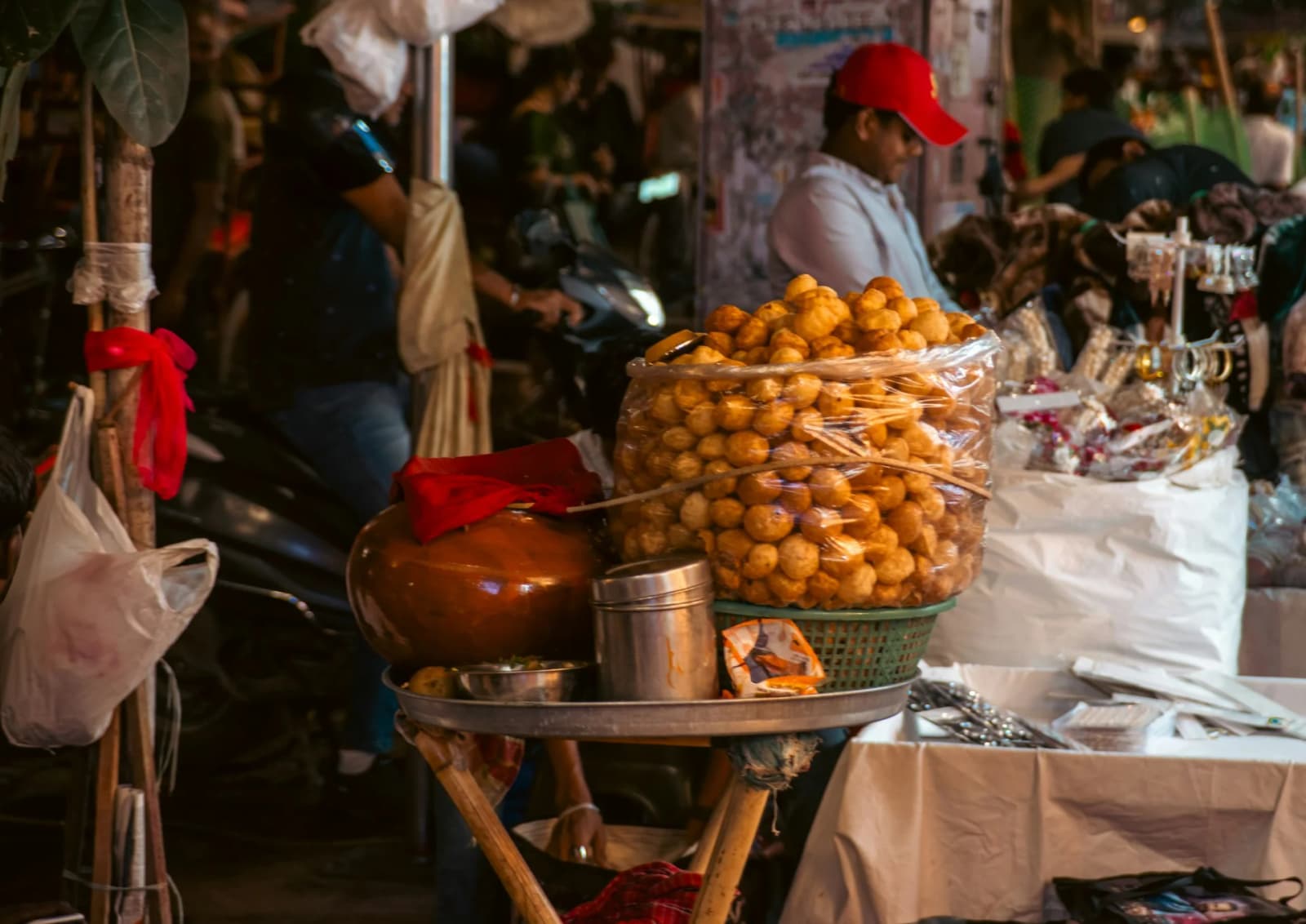
For households that earn their living from a cart or a roadside stall, the scheme is the government's main route to small, collateral-free bank credit, and the ministry's own account is that vendors can step up from these loans to larger ones and now to a credit card. The awards also show which states, cities and banks are moving those loans fastest. MapMyTimes recently reported on new street food hubs approved in Jammu and Kashmir and on the ministry's latest PMAY-Urban 2.0 housing sanctions.