The Supreme Court of India on 20 November 2026 agreed to examine the Allahabad High Court's August ruling that struck down key provisions of the Uttar Pradesh Regulation of Urban Premises Tenancy Act, 2021, and directed that pending cases under the law must not be thrown out because of that ruling while the appeal is heard in New Delhi.
A bench of Justice Prashant Kumar Mishra and Justice Shree Chandrashekhar issued notice on special leave petitions filed by landlords Tarun Gupta and others against tenants Rajendra Kumar Agarwal and others, along with connected petitions, according to the court's record of proceedings. The matter is listed next on 12 January 2027.
What did the Supreme Court order?
The court said proceedings pending under the relevant provisions of the 2021 Act "shall not be dismissed as not maintainable or abated, on account of the impugned order" while the special leave petition is pending. In practical terms, landlords and tenants with rent or eviction cases before authorities under the 2021 law will not see those cases closed simply because the High Court invalidated parts of it. Senior Advocate Dama Seshadri Naidu, appearing on caveat for the respondents, accepted notice.
What had the Allahabad High Court decided?
In a judgment of 21 August 2026, a Division Bench of Justice Saumitra Dayal Singh and Justice Swarupama Chaturvedi, deciding a batch of about 16 writ petitions, declared Sections 8, 9, 10, 38 and 42 of the 2021 Act invalid with effect from the date of judgment. Sections 8 to 10 deal with fixing and revising rent through the Rent Authority, Section 38 bars civil courts from matters covered by the Act, and Section 42 gives the Act overriding effect.
The High Court held that these provisions conflicted with central laws on the Concurrent List, including the Transfer of Property Act, 1882, and that the state law needed Presidential assent under Article 254(2) of the Constitution, which it did not have. It also held that the older Uttar Pradesh Urban Buildings (Regulation of Letting, Rent and Eviction) Act, 1972 would revive to the extent required, while protecting concluded proceedings and rents already revised.
What are the petitioners arguing?
The case before the Supreme Court arises from a shop eviction dispute in Farrukhabad. According to a report by legal news website LiveLaw, the landlords argue that the High Court did not identify a "direct, irreconcilable" conflict needed to strike down a state law on repugnancy grounds, that the 2021 Act supplements rather than contradicts the 1882 Act, and that a repealed law cannot be revived by a court. They also contend that only the Supreme Court can apply a ruling prospectively, and that a later High Court order of 5 October 2026 was effectively a review presented as a clarification. These are the petitioners' claims and have not yet been decided.
Why does it matter?
The 2021 Act replaced Uttar Pradesh's decades-old rent control regime and set up Rent Authorities to handle rent fixation and eviction. The High Court ruling had left landlords, tenants and authorities uncertain about which law governs pending disputes. The Supreme Court's interim direction keeps existing cases alive, but it has not stayed the High Court judgment or ruled on whether the provisions are valid.
What happens next?
The court has allowed formal notice to any remaining respondents, including by direct (dasti) service, and will take up the matter on 12 January 2027.
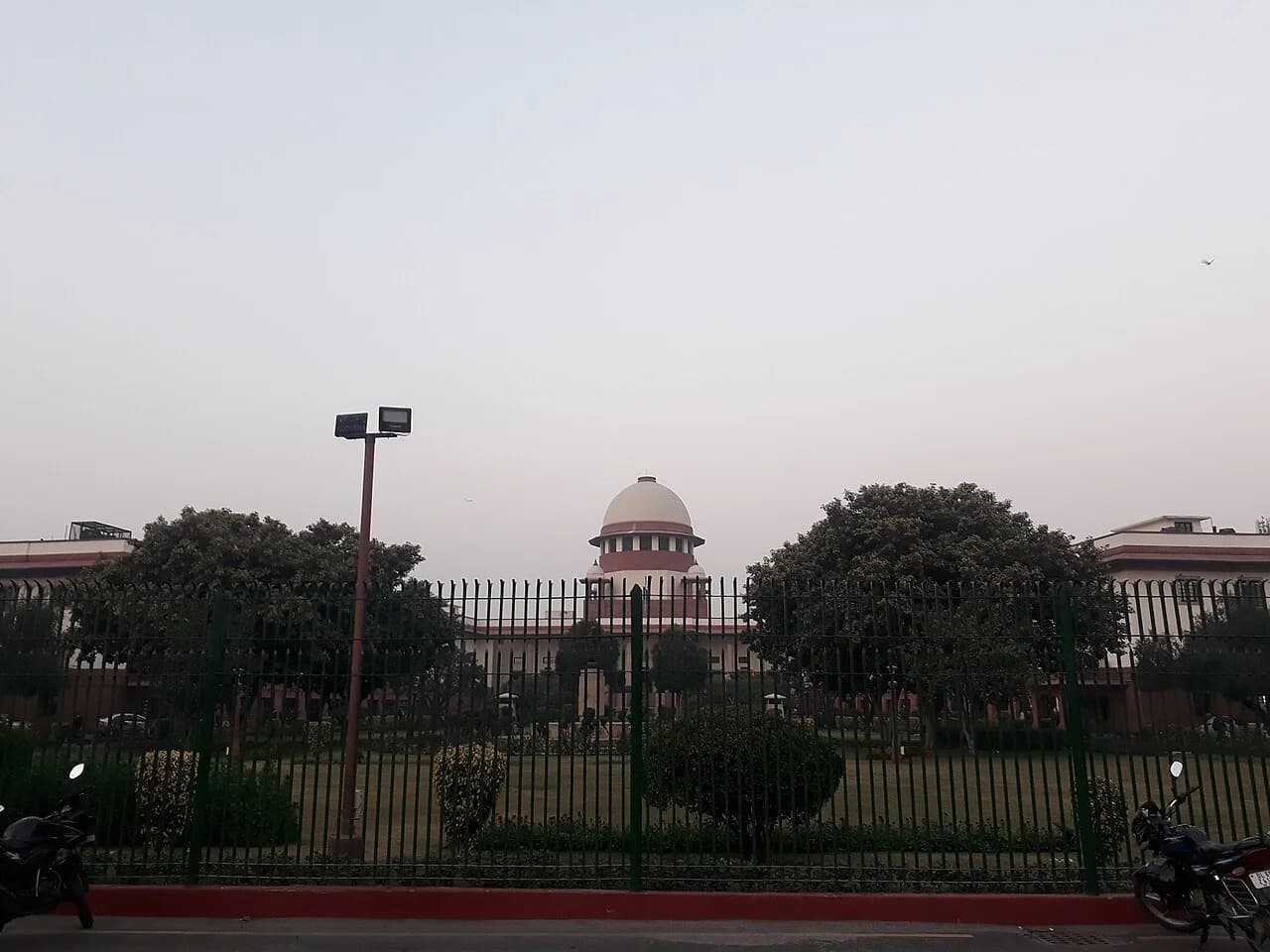
Photo source · Pinakpani, CC BY-SA 4.0