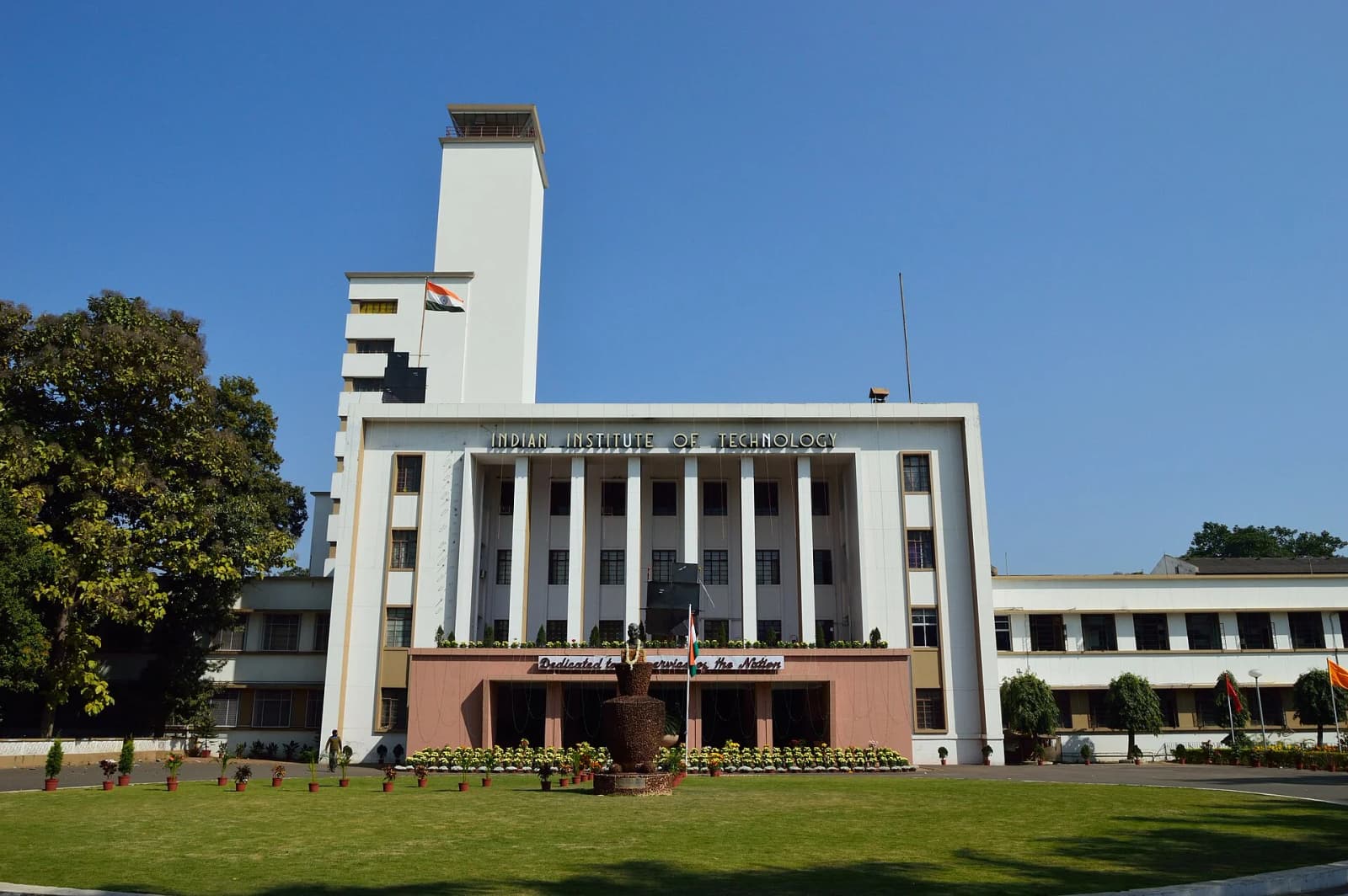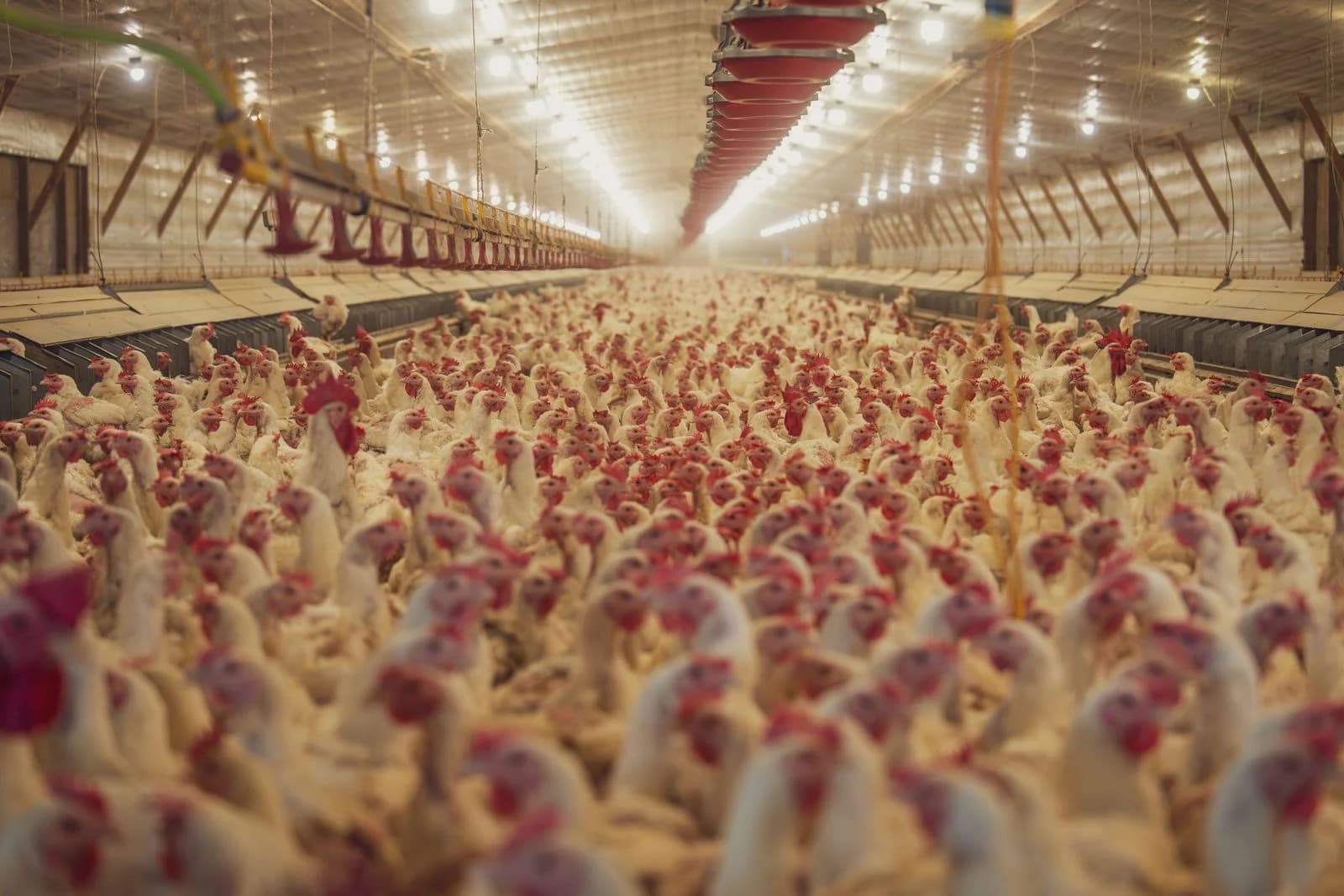
Union Agriculture and Farmers' Welfare Minister Shivraj Singh Chouhan on 20 November 2026 dedicated to the nation India's first indigenous vaccine for chickens against H5N1 avian influenza, or bird flu, at a programme in Bhopal, Madhya Pradesh. Our news report covers the launch. This explainer sets out what the vaccine is, why it matters and what is still unknown.
What is the new vaccine?
It is an inactivated H5N1 vaccine for chickens, developed by the Indian Council of Agricultural Research's National Institute of High Security Animal Diseases (ICAR-NIHSAD) in Bhopal. A government note carried by DD News on 18 November described it as an indigenous inactivated H5N1 (Clade 2.3.2.1a) vaccine for chickens. An inactivated vaccine uses virus that has been killed, so it cannot cause infection.
The Ministry of Agriculture and Farmers Welfare's release said the vaccine will be priced at Rs 1-2 per dose and called it the world's first vaccine against this particular variant of bird flu.
The Bhopal institute has developed indigenous animal vaccines before, the ministry noted, including for Gumboro disease, Classical Swine Fever, African Swine Fever and the Brucella abortus S-19 Delta vaccine. Mr Chouhan placed the new vaccine within a wider push on animal disease, citing estimated average annual losses of about Rs 56,000 crore from Foot and Mouth Disease, Lumpy Skin Disease, Brucellosis and Peste des Petits Ruminants combined.
Why does the clade matter?
The clade matters because flu vaccines work best when they match the virus in circulation. The DD News report said studies link clade 2.3.2.1a to most bird flu outbreaks in chickens, and that no specific commercial vaccine was available for it. A vaccine built around a different strain may protect birds less well.
Why is it in the news now?
It is in the news because of the launch and because outbreaks keep recurring. Mr Chouhan said India's first bird flu outbreak was reported in 2006 at Navapur in Maharashtra, where about 10 lakh chickens died, and that the country has seen more than 500 outbreaks since then, according to the ministry release. He said around 9 lakh chickens died in 2021 and about 2 lakh this year. Days before the launch, authorities in Kerala's Alappuzha district culled more than 18,600 birds after an outbreak.
How is bird flu controlled in India today?
It is controlled mainly by stamping out infected flocks. Under the Department of Animal Husbandry and Dairying's Action Plan for Prevention, Control and Containment of Avian Influenza (Revised 2021), the area within one kilometre of a confirmed outbreak is declared an "infected zone" and the area up to 10 km a "surveillance zone". The plan provides for culling of birds in the infected zone, a ban on poultry movement, closure of poultry and egg markets, and compensation to farmers at fixed rates. Restocking is allowed three months after a sanitisation certificate is issued.
The same plan says that, during containment operations in an affected area, no vaccinations are to be allowed in the premises even if they are due.
How does it affect you?
For poultry farmers, the main promise is a cheap preventive tool. The ministry said the low price is meant to put vaccination within reach of small farmers and reduce economic losses. For consumers, the vaccine is for birds, not people; the ministry noted that bird flu can also spread to mammals and humans, which is why prevention in poultry matters.
What is established, and what is not?
Established, according to official sources: the vaccine was developed by ICAR-NIHSAD, it targets clade 2.3.2.1a, it is inactivated, it is meant for chickens, and the stated price is Rs 1-2 per dose. Mr Chouhan also announced a new Rs 300-crore animal disease research laboratory in Bhopal.
Not yet clear: the ministry release did not give a timeline for commercial supply, name a manufacturer, publish field efficacy data, or explain how vaccination will fit into the 2021 action plan, which is built around culling. It is also not stated whether vaccinated flocks would be treated differently during an outbreak.
What happens next?
The next step to watch is guidance from the Department of Animal Husbandry and Dairying on where and how the vaccine may be used, and an announcement on manufacturing and supply. Until such guidance is issued, the existing action plan, with its culling and movement controls, remains the rulebook for outbreaks.