The Jammu and Kashmir government has given administrative approval for two street food hubs, at Tangmarg on the road to Gulmarg and at Lakhanpur on the Punjab border, at a combined cost of Rs 9.85 crore, All India Radio reported on 20 November 2026 from Jammu.
The Tangmarg hub has been sanctioned at Rs 3.81 crore. The larger project, described as a "Clean Street Food Hub" at Lakhanpur, will cost Rs 6.04 crore. Both are to be funded through the PM SVANidhi scheme for street vendors and the capital expenditure budget under the MRDA sector, according to the report.
What are the Tangmarg and Lakhanpur street food hubs meant to do?
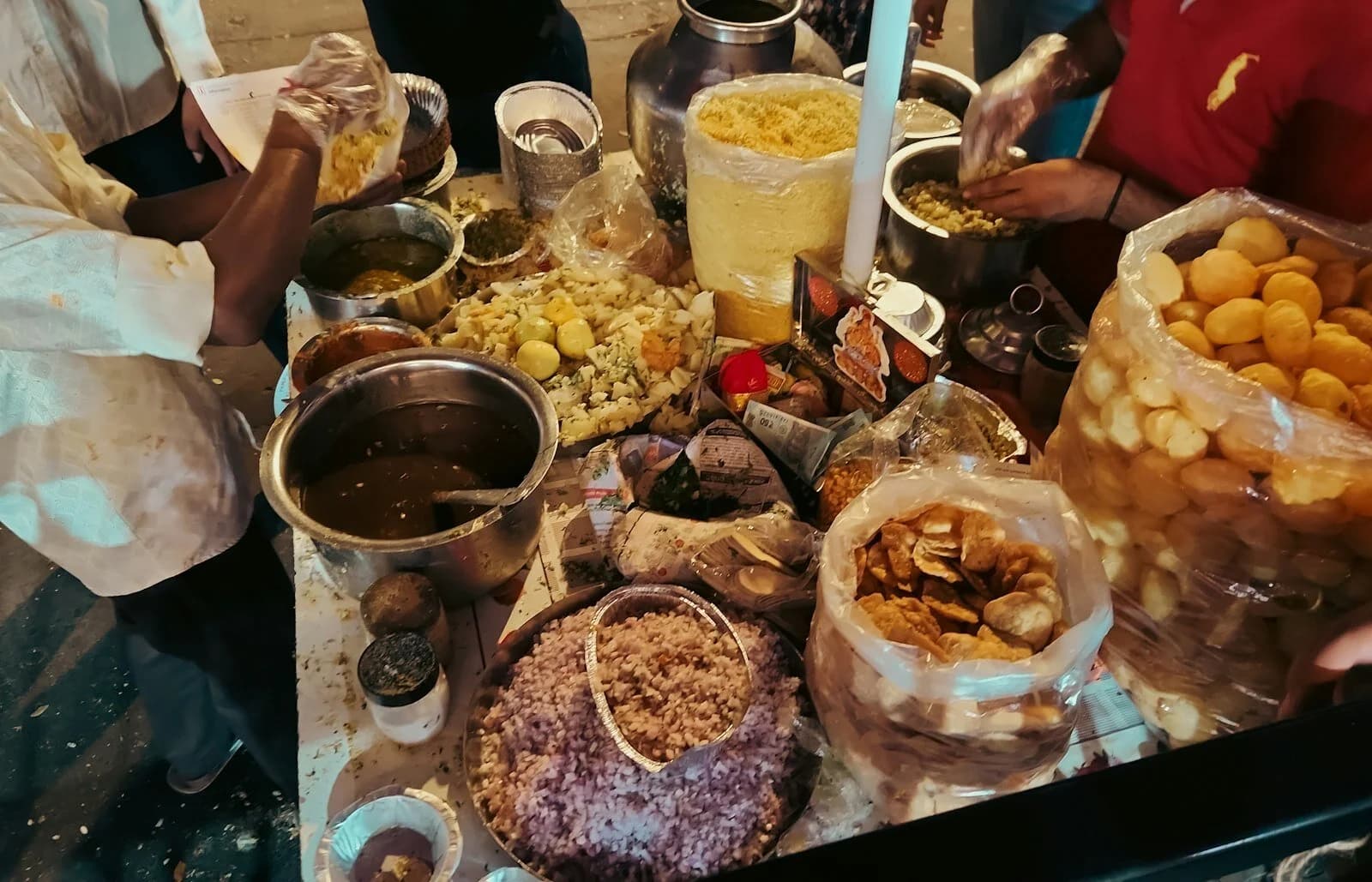
They are meant to move street vendors into organised, hygienic and properly equipped spaces where residents and visitors can buy safe food. The report says the projects are also intended to improve public amenities around the two towns and support the livelihoods of vendors who already trade there.
The approval does not name individual vendors, stall counts or a construction timeline. Those details had not been made public as of Friday evening.
Why were these two towns chosen?
Both sit at points that serve as first stops for visitors. Lakhanpur is the gateway to Jammu and Kashmir and the first town travellers reach when they cross over by road from Punjab. Tangmarg is the first major tourist stop on the route up to the ski resort of Gulmarg.
By placing organised food hubs at these two points, the administration is betting that a cleaner, better-run roadside food experience will shape first impressions of the Union Territory for tourists, while giving local vendors a steadier place to work.
How does this fit with food safety concerns in J&K?
The move comes as food safety has been in focus in the Union Territory this week. On 19 November, the J&K food regulator asked the Railways to move perishable consignments only through licensed firms after a large seizure of frozen meat in Budgam, as MapMyTimes reported. Officials have framed the new hubs around safe food access as well as tourism.
Across India, regulators have been stepping up inspections of eateries, from Gujarat's highway dhabas to hotels in Maharashtra, which makes organised vending zones a visible part of the wider push to raise hygiene standards.
What happens next?
With administrative approval in place, the projects can move to the execution stage. The report did not give a start or completion date. Vendors and tourism operators in Tangmarg and Lakhanpur will be watching for details on how stalls will be allotted and when the hubs open.
Key facts confirmed so far: two hubs, a combined outlay of Rs 9.85 crore, funding through PM SVANidhi and the MRDA capex budget, and a stated aim of hygienic, organised vending at two key entry and tourism points in Jammu and Kashmir.
Photo source · Zoshua Colah, Unsplash License