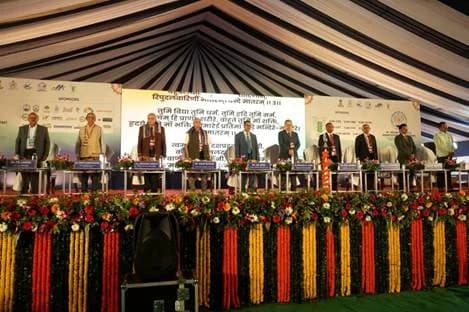
Union Minister of Food Processing Industries Chirag Paswan on 20 November 2026 urged India's beverage makers to turn the country into a global hub for drinks manufacturing, innovation and exports, and to draw more value from Indian farm produce. He was delivering the keynote address at the National Beverage Conclave 2026, organised by the Indian Beverage Association (IBA), according to a statement issued by the Press Information Bureau (PIB) in New Delhi.
What did the minister ask the beverage industry to do?
He asked manufacturers to buy more directly from farmers and to look at the commercial potential of traditional Indian drinks such as sattu. Mr Paswan said companies should build innovative products of Indian origin that can compete in overseas markets, according to the ministry's account of the speech.
Pointing to shifting consumer tastes, he encouraged the industry to develop healthier options, including beverages made from millets and other indigenous ingredients. He also stressed that products should be affordable and of good quality so that they serve a wide range of consumers.
The minister linked the sector's growth to Prime Minister Narendra Modi's "Sapt Dhara" vision, in particular its focus on manufacturing, agriculture and food processing, and technology and innovation.
Supply chains, quality and global markets
Beyond new products, Mr Paswan called for stronger backward linkages with the farm sector, better product quality and wider access to export markets. He urged closer collaboration between manufacturers, entrepreneurs and research institutions to make Indian beverages more competitive internationally.
He said the government welcomed both domestic enterprise and international investment and remained committed to supporting the food processing sector.
Why is the government talking about "perceptions" of processed food?
The minister asked industry stakeholders to work together to counter what the PIB statement described as misleading and influencer-driven negative perceptions about processed foods. He said this should be done through scientific evidence, factual communication and greater consumer awareness.
The remark is notable because packaged and processed foods face growing public scrutiny over their nutritional content. The statement did not name any specific campaigns, products or claims that the minister had in mind.
What did the industry say?
IBA President C.K. Jaipuria said the beverage sector could help reduce agricultural wastage and support farmers, and called for stronger cooperation between industry and government.
IBA Secretary General Dr Gunveena Chadha, in her welcome address, said the sector needed a clearly defined structural roadmap and policy support to realise its potential.
Proposing the vote of thanks, IBA Vice-President S.R. Goenka raised concerns about counterfeit products and negative perceptions of the industry. He called for coordinated fiscal measures, better infrastructure and wider digitalisation to keep the sector competitive over the long term.
Why it matters
For farmers, the push for sattu- and millet-based drinks could, if taken up by manufacturers, mean new buyers for farm produce, including millets. For consumers, the ministry's emphasis on healthier, affordable products signals the direction the government wants the industry to take. The conclave also follows recent government data showing growth in India's farm exports, which MapMyTimes reported earlier.
What happens next?
The PIB statement did not announce any new scheme, incentive or regulation for the beverage sector. The industry's requests for a policy roadmap and fiscal coordination remain proposals for now, and no government response to them has been made public.