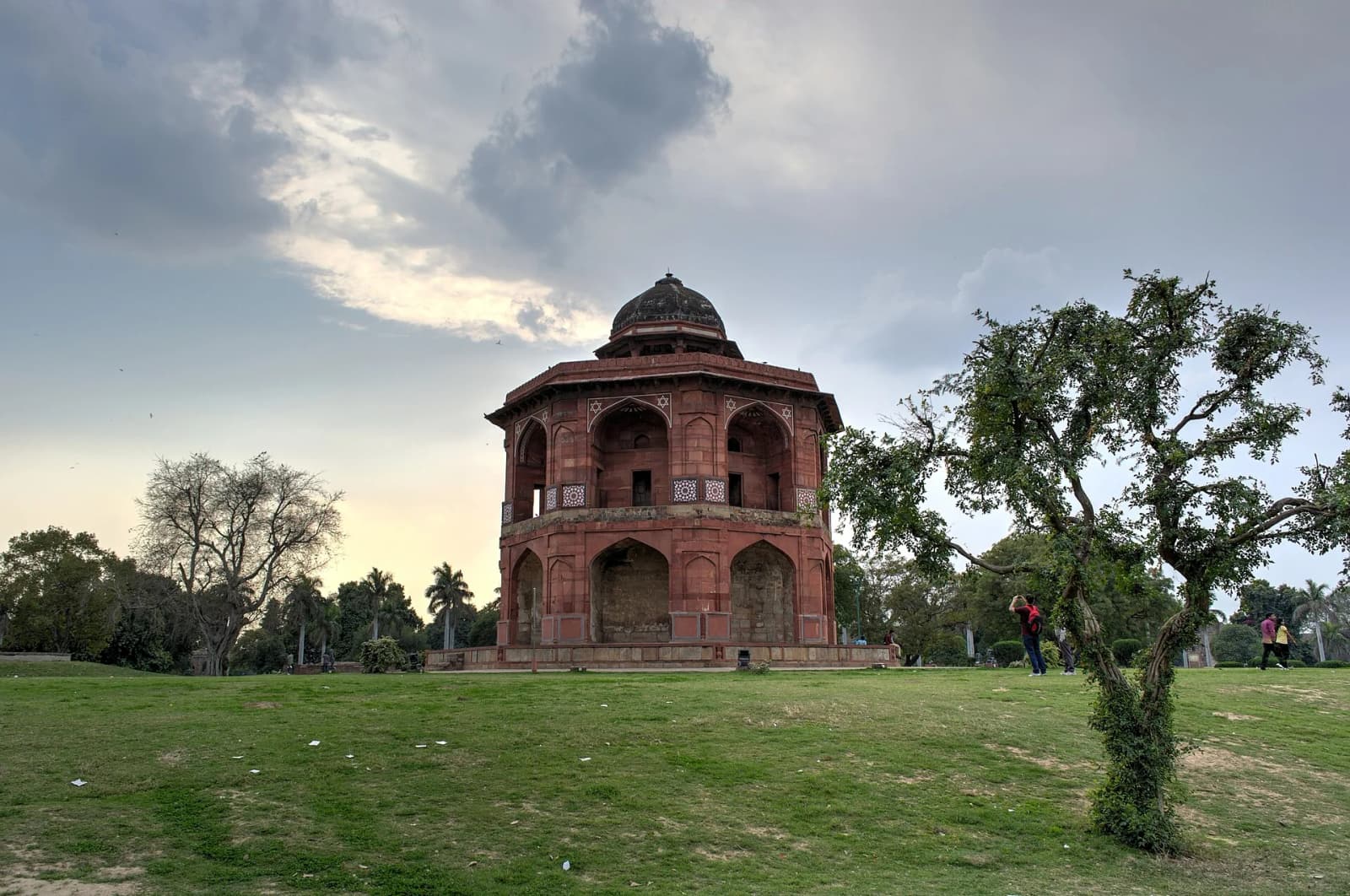
Prime Minister Narendra Modi on 20 November 2026 inaugurated the first Shanghai Cooperation Organisation (SCO) Civilisational Dialogue Forum at Purana Qila in New Delhi, proposing that SCO countries work together to digitise and translate ancient texts, run joint research on shared history and use artificial intelligence to widen access to literature locked in a few languages.
Addressing SCO ministers, diplomats, scholars and artists, Modi said cultural ties were the strongest guarantee of world peace at a time when global conversation was dominated by war and unrest. "Empires have certainly changed the maps of the world, but civilizational dialogues have changed the ideas of the world and enriched them," he said, according to the Prime Minister's Office release.
What is the SCO Civilisational Dialogue Forum?
It is a new platform under the SCO for scholars, academics and cultural representatives to discuss the shared heritage of member countries. According to a curtain-raiser issued on 19 November, the forum runs from 20 to 22 November 2026 and grows out of a proposal Modi made at the SCO summit in Tianjin, China, in 2025. The idea was later welcomed in the SCO's Bishkek Declaration.
The opening featured a cultural show titled "Civilisations in Conversation" on the theme "Vasudhaiva Kutumbakam – The World Is One Family". The venue also hosts an exhibition called "ASTITVA – The Essence of Our Existence", which traces Delhi's history through excavated material dated from 1200 BCE to 1200 CE, and a pavilion displaying a rare illustrated 18th-century Mahabharata scroll.
What did Modi propose?
Modi said museums, libraries and archives across SCO countries hold manuscripts, rare texts and artefacts that technology can now bring to younger audiences. He suggested:
- cooperation on digitising and translating ancient texts, with AI used to speed up translation;
- joint research projects on shared history;
- joint exhibitions by museums and exchanges of scholars and researchers between universities;
- heritage circuits linking Silk Route and Buddhist sites, cultural tourism, joint festivals and artist exchanges.
He said young artists, writers and filmmakers could use digital media to carry this shared heritage to a new generation, and urged that local artists and artisans be involved.
Which historical links did he cite?
The Prime Minister pointed to trade between the Indus Valley and Mesopotamia about five thousand years ago, and to the travel of Buddhist monks such as Faxian, Xuanzang, Yijing and Kumarajiva along routes connecting India, China and Central Asia. He noted that the Panchatantra became Kalila wa Dimna in Persian and Arabic, that the Ramayana lives on as the Reamker in Cambodia, and that Brahmagupta's mathematics reached Baghdad, where scholars such as Al-Khwarizmi built on it. He also mentioned links between Central Asian Maqam and Indian raga music and the influence of gardens in Samarkand and Herat on the Charbagh style.
Why it matters
The SCO is mainly known for cooperation on security, economy and connectivity. Modi framed the forum as an addition to that agenda, saying a shared cultural understanding could help build the mutual trust the grouping needs. The gathering in Delhi also required practical arrangements: the city's zoo next to Purana Qila was closed to visitors on 21 and 22 November because of the forum.
What happens next?
According to the curtain-raiser, four thematic sessions are scheduled for 21 and 22 November. They will cover music, performing arts, textiles, cuisine and traditional games; shared traditions in art and architecture; languages, literature, scripts and manuscripts; and monastic trails and philosophical traditions. The government has not yet announced whether the forum will become an annual event or which country will host the next edition.
Photo source · Slyronit, CC BY-SA 4.0