The United States space agency NASA said on 20 November 2026 that its Small Business Innovation Research and Small Business Technology Transfer (SBIR/STTR) programme has selected 302 projects for up to $171 million in seed funding, with much of the work aimed at surviving and building on the Moon and Mars.
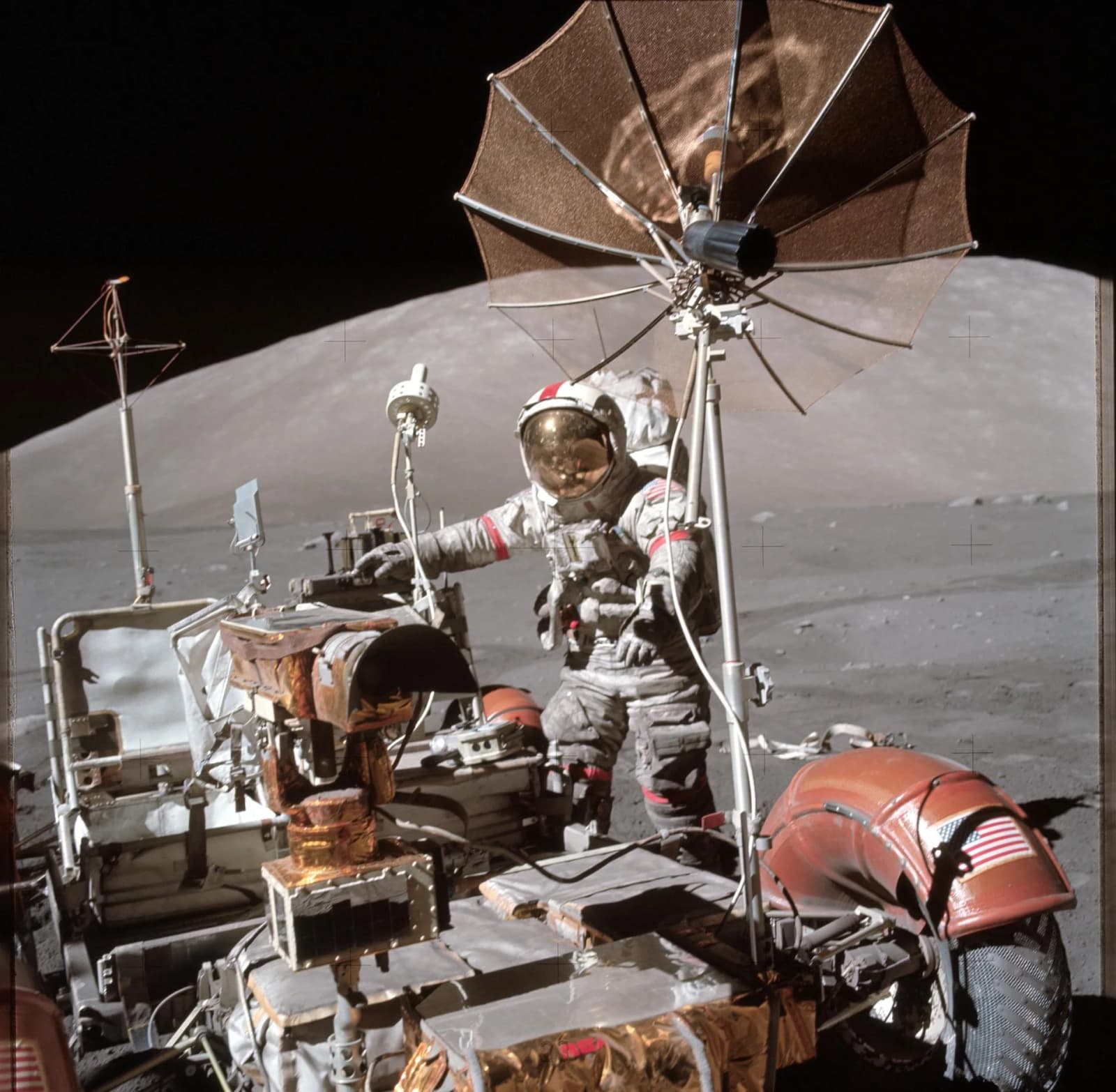
According to NASA, the early-stage research covers topics tied to its Artemis programme and a planned US Moon Base, including new battery designs, robots that can sense the harsh lunar environment, and tools for building infrastructure such as landing pads.
How much money does each project get?
Each new Phase I contract can receive up to $225,000 to show that a proposed idea is technically sound and feasible, NASA said. Some of these are STTR awards, which go to small businesses working with research institutions.
The agency also picked 98 Phase II contracts worth up to $1.3 million each. These continue Phase I projects chosen in 2025 and are meant to move the technologies towards demonstration and delivery.
Which technologies were highlighted?
NASA singled out four examples from the latest round:
- Rollable solar arrays: A Phase II award to Opterus Research and Development Inc. supports a modular system of solar arrays that can be rolled out and handled by robots and that works in dusty surface conditions. NASA said the technology could scale up to 50 kilowatts.
- A robotic arm that can see and feel: Intelligent Fiber Optic Systems Corporation, with a Phase I award, is working on a 10-foot extendable arm that pairs a camera with sensors for texture, contact force and temperature, which could help rovers clean solar panels or collect samples on their own.
- A battery for the lunar night: Elementium Materials Inc. is developing a battery module that NASA said can operate down to minus 76 degrees Fahrenheit without active heating, which could help equipment get through the 14-day lunar night.
- Reusable landing pads: Slate Geotechnical Consultants Inc. and the Colorado School of Mines will study two ways of preparing lunar soil, or regolith, so that rockets can land repeatedly without blasting out gravel, raising dust or digging craters.
Why does it matter?
NASA describes the programme as a way for entrepreneurs, start-ups and small firms to develop and commercialise technologies that can feed into its missions, moving in phases from feasibility studies to working hardware. The agency said several of the selected ideas also have uses on Earth: the instrumented robotic arms, for example, could inspect power lines or nuclear reactors, and the cold-tolerant battery could serve cold-climate applications.
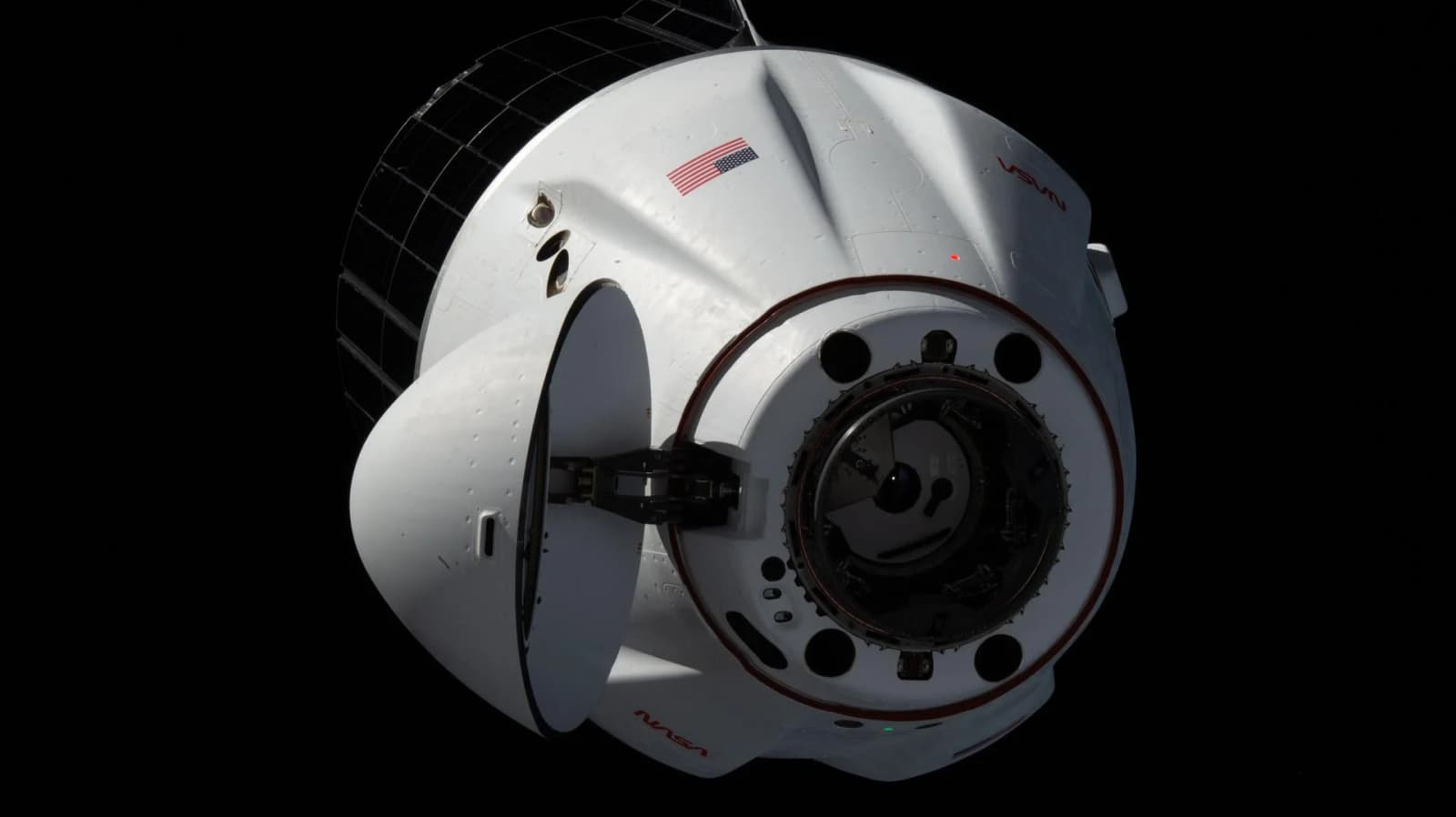
The selections come at a busy time for NASA's exploration plans. MapMyTimes recently reported that the agency is preparing a cargo launch to the International Space Station and that it paused science work on the Perseverance rover and Odyssey orbiter over technical faults on Mars.
What happens next?
NASA said the full lists of selected Phase I and Phase II proposals are published on the SBIR/STTR programme's website. The programme sits within NASA's Research and Technology Mission Directorate and is run from the Ames Research Center in California's Silicon Valley. Phase I teams will now work to establish whether their ideas are feasible, while Phase II teams move towards demonstrations.