California Attorney General Rob Bonta served an investigative subpoena on Nvidia on 19 November 2026 (US time), asking the chipmaker whether its advanced chips or confidential information may have reached China and whether it misled investors and the public. The move, announced by his office in Oakland, California, comes days after former chief executive Jensen Huang resigned following reports of an affair with a woman US agencies suspect of links to Chinese intelligence.
What exactly is California asking Nvidia?
The state's Department of Justice wants to know whether Nvidia's advanced chips or confidential information may have gone to China, and whether the company misled investors and the public about that risk. According to the Attorney General's press release, the information gathered through the subpoena will help the department evaluate whether Nvidia broke California law. A subpoena is an investigative step; it is not a finding of wrongdoing, and no charges have been filed.
"The conduct of Nvidia and its former CEO raises bright red flags, including about the ways in which the company may have misled investors," Bonta said in the release. "Nvidia is in a messy, transnational situation but the underlying principle of our corporate securities law is clear: Companies cannot mislead their investors."
How did this begin?
The probe follows the departure of Jensen Huang as Nvidia's chief executive. Reuters reported that Huang resigned last week after reports of extramarital affairs, according to The Next Web, which cited the agency. One of those relationships was with a Chinese businesswoman. US intelligence agencies are trying to establish whether she has ties to China's Ministry of State Security, Reuters reported. China has rejected the espionage allegations.
CNBC reported that the woman was an executive at Megaspeed, a Singapore-based company under investigation over the possible diversion of restricted Nvidia chips to China.
Nvidia's board has ruled out Huang's return and set up a national security committee, and Huang has agreed to appear before committees of the US House of Representatives on 1 December, according to the Reuters reporting cited by The Next Web.
What has Nvidia said?
Nvidia did not immediately respond to a request for comment on the subpoena, CNBC reported. On the wider question of chip sales to China, the company told Reuters that US approvals for such sales carried strict conditions and limited volumes, and that it had stopped shipping its H200 chips to China.
Why does it matter?
Sales of Nvidia's most advanced AI chips to China are subject to US export controls, and the California inquiry turns on whether those controls were breached. Whether those chips leaked to Chinese buyers is already a political issue in the US: the House Foreign Affairs Committee said this week that the Trump administration approved nearly 900,000 advanced Nvidia and AMD AI chips for Chinese companies between December 2025 and May 2026. MapMyTimes reported on that licence data released by the House panel.
Investors are also watching. According to CNBC, Nvidia shares fell 22% in the nine trading days after Huang admitted to an extramarital affair, and the stock was on course for a seventh straight weekly loss, down 38% over that stretch.
What is confirmed and what is not
- Confirmed: California's Attorney General served an investigative subpoena on Nvidia on 19 November 2026 covering possible transfers of chips or confidential information to China and possible misleading of investors.
- Not established: No authority has publicly found that Nvidia's chips or secrets reached China through the company, or that Nvidia violated securities law. The espionage allegations against the woman remain unproven, and China denies them.
What happens next?
Nvidia is expected to respond to the subpoena, and California officials will use the material to decide whether to take any action under state law. Huang's scheduled appearance before House committees on 1 December is the next public moment in the case.
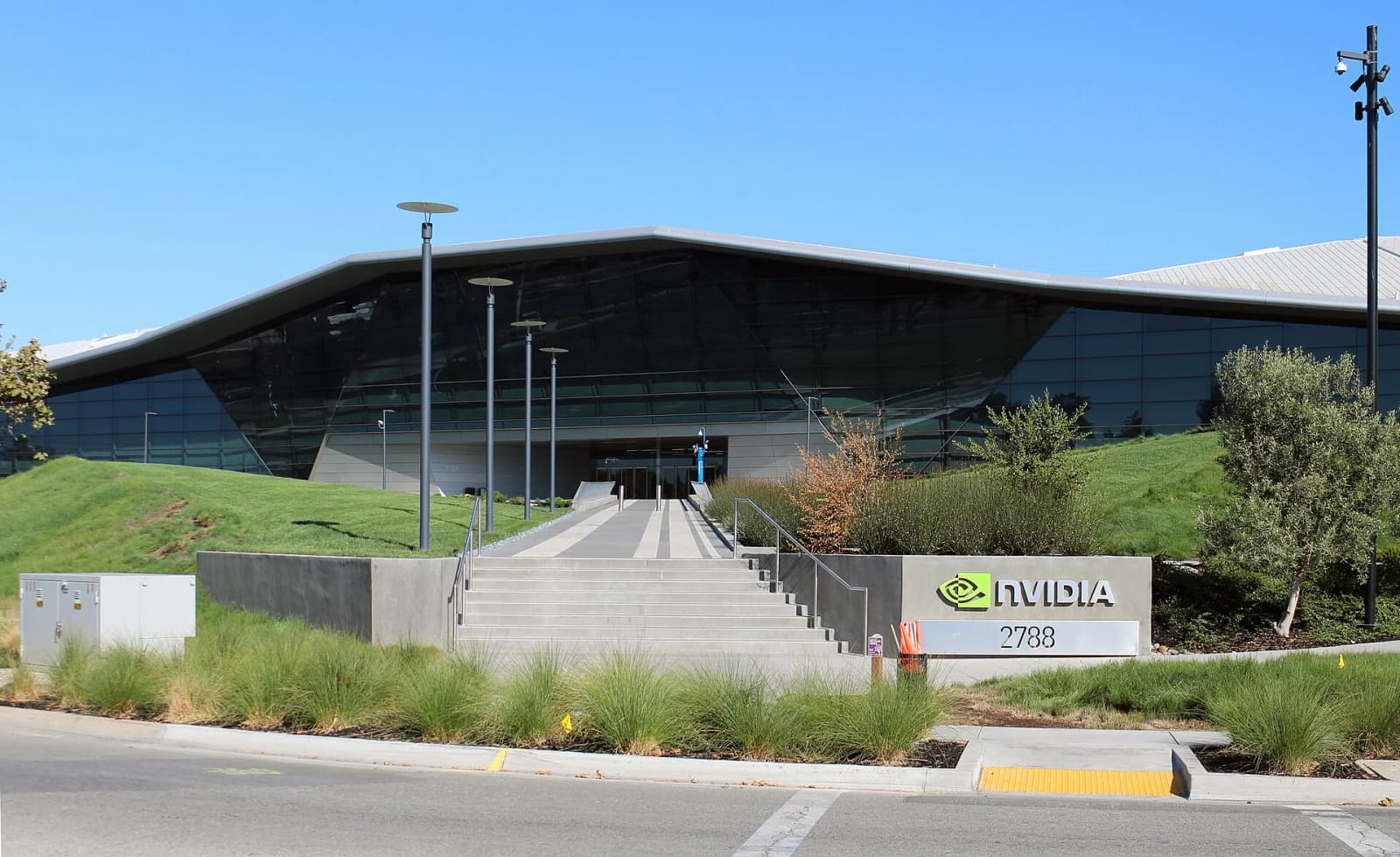
Photo source · Coolcaesar, CC BY-SA 4.0