The Foreign Affairs Committee of the United States House of Representatives on Thursday, 19 November 2026, made public the export licence records for advanced artificial intelligence (AI) chips that Nvidia and Advanced Micro Devices (AMD) sought to sell to Chinese buyers. Committee Chairman Brian Mast released the data using his authority under the Export Control Reform Act, and the records show the Commerce Department cleared more than 879,000 chips out of roughly 3.4 million requested.
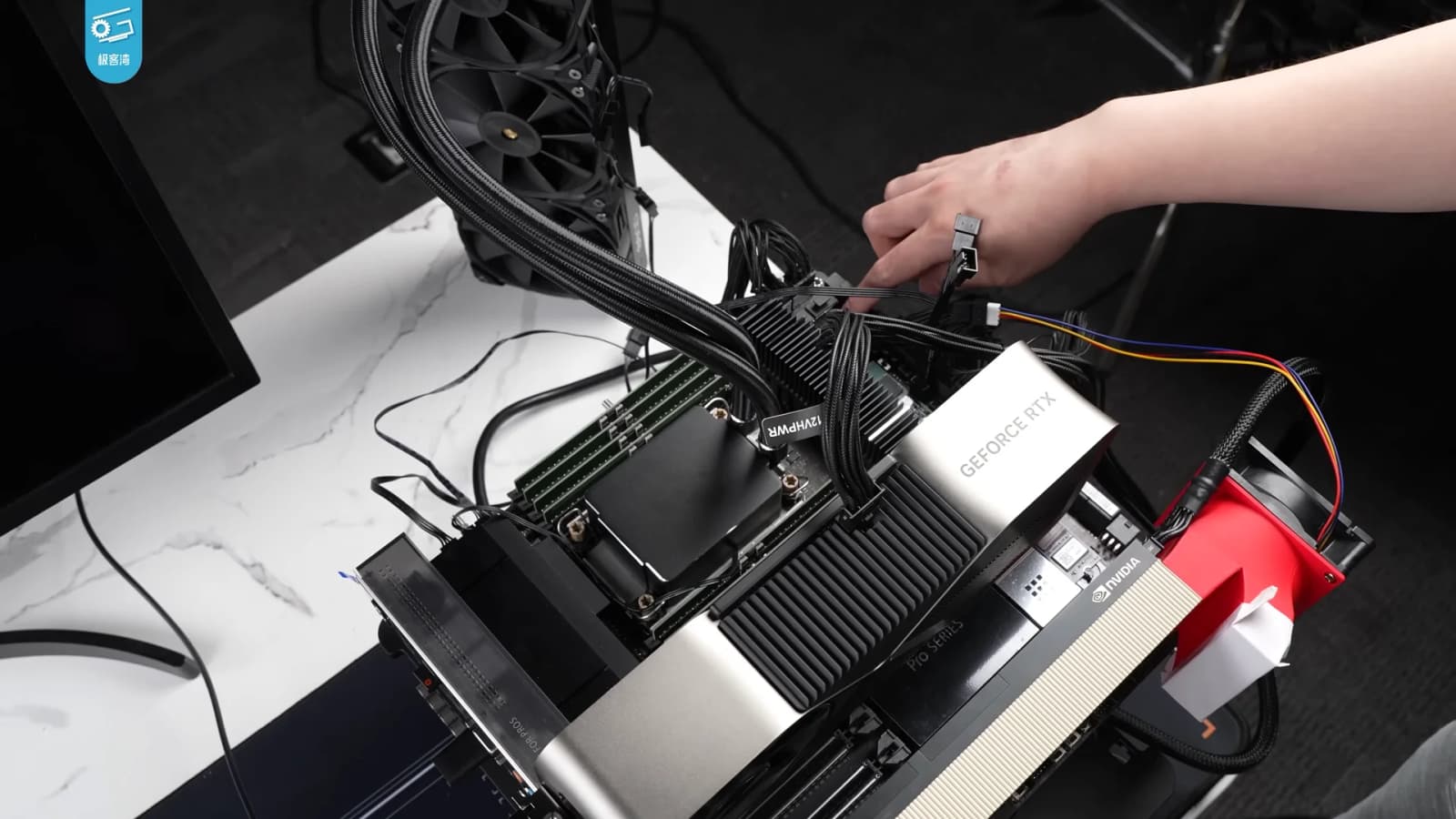
According to Reuters and Al Jazeera, which reviewed the disclosure, the approvals were granted between December 2025 and May 2026 and covered Nvidia's H200 processor and AMD's comparable MI325X.
What did the committee disclose?
The committee disclosed how many chips each company asked to ship and how many the Commerce Department's Bureau of Industry and Security (BIS) approved. In its press release, the committee described it as "the most detailed public disclosure in the history of the Export Control Reform Act."
Reports on the data list the following approvals for Chinese companies:
- Tencent: 150,000 chips
- Alibaba: 75,000 chips
- Baidu: 43,000 chips
- BYD: 4,000 chips
All four companies appear on the US Defense Department's list of companies it alleges are linked to the Chinese military. The committee's release specifically names Alibaba and Tencent in that context. The committee also alleged that Nvidia had asked to rely on what it called possible chip-smuggling fronts to make sales to Chinese companies. Nvidia's response, reported below, did not address that allegation directly.
Were all these chips actually shipped to China?
No one has yet established how many of the approved chips were shipped. Reuters reported that it is unclear how many approvals turned into actual exports, and the committee data covers licences, not deliveries.
Nvidia said the approvals were "subject to strict conditions and limited volumes", and added that "despite receiving some licenses, we have since stopped shipping H200s to China." AMD told Reuters that it complies with US export control laws. Alibaba, Tencent, Baidu, BYD, the Commerce Department and the Chinese Embassy did not immediately respond to requests for comment, Reuters said.
Why does this matter?
The disclosure goes to the centre of a long-running debate in Washington over whether selling advanced AI hardware to China helps American companies or strengthens a strategic rival. The Biden administration had restricted Chinese access to such chips over concerns that they could boost China's military and narrow the US lead in AI. President Donald Trump reversed course in December by allowing Nvidia to ship its H200 chip to China, a move criticised by China hawks in both parties.
Chris McGuire, a former US official who works on US-China technology competition, called the approvals astonishing and said the share of chips going to companies linked to the Chinese military raised questions about whether the Commerce Department had carried out a serious national security review, according to Reuters and Al Jazeera.
The release also landed during a fragile week for chip stocks. Al Jazeera reported that Nvidia shares fell 3.3% and AMD shares fell 7.7% on Thursday, while the Nasdaq dropped 2.2% and the S&P 500 lost 1.8%. MapMyTimes reported on the wider AI-led sell-off on Wall Street the same day, and on Nvidia's latest quarterly results earlier in the week.
What is confirmed and what is not
- Confirmed: The House Foreign Affairs Committee released the licence data on 19 November 2026; the records show about 3.4 million chips requested and more than 879,000 approved by BIS.
- Reported: The per-company figures and the December 2025 to May 2026 window come from Reuters and Al Jazeera reporting on the documents.
- Unconfirmed: How many approved chips reached China, and the committee's allegation about possible smuggling fronts, have not been independently established.
What happens next?
The Commerce Department had not publicly responded at the time of reporting. The data is likely to feed into scrutiny of the administration's China chip policy in Congress. For Indian readers, the episode is a reminder that US export licensing of AI chips, which also governs supplies to other countries, is now a subject of open political dispute in Washington.
Photo source · 极客湾Geekerwan, CC BY 3.0