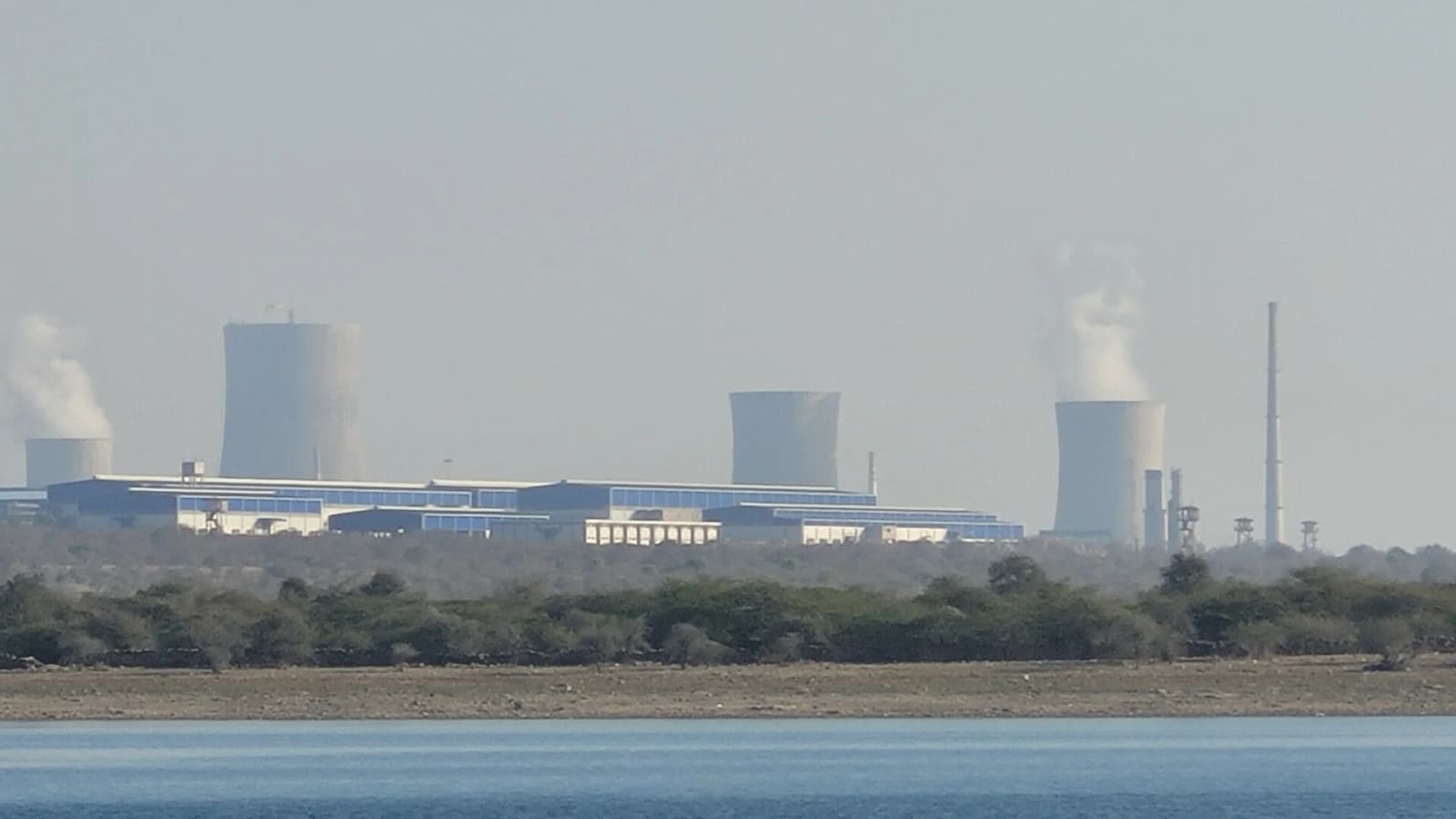
India's nuclear safety regulator, the Atomic Energy Regulatory Board (AERB), has cleared Unit 8 of the Rajasthan Atomic Power Project (RAPP-8) at Rawatbhata in Chittorgarh district for its First Approach to Criticality, the step in which a new reactor's chain reaction is started for the first time. The board granted the permission on 19 November 2026 after completing its safety reviews, according to a Department of Atomic Energy release issued through the Press Information Bureau in Mumbai on 20 November.
What did the AERB approve?
The AERB approved the First Approach to Criticality (FAC) of RAPP-8, which the release describes as "an important stage" in commissioning that paves the way for later phases leading to commercial electricity generation. Those later phases remain subject to prescribed tests and further regulatory permissions, the release said.
According to the AERB, the permission followed a review of the reactor's design, construction, commissioning test results and operational preparedness. The process included assessments by the AERB and its safety review committees, regulatory inspections and deliberations by the board itself. The regulator said it will keep overseeing the remaining commissioning work through safety reviews, inspections and a resident site observer team.
Why does RAPP-8 matter?
RAPP-8 is the fourth reactor of India's indigenously designed and built 700 MWe Pressurised Heavy Water Reactor (PHWR) series. The other three are Units 3 and 4 of the Kakrapar Atomic Power Station in Gujarat and RAPP Unit 7 in Rajasthan, the release said. The Rawatbhata site already has eight nuclear power units, according to the AERB.
The trade publication World Nuclear News reported on 21 September 2026 that initial fuel loading at RAPP-8 began on 19 September after AERB permission, and that Nuclear Power Corporation of India Ltd (NPCIL) was targeting commercial operation during the current financial year. It described RAPP-8 as the fourth in a series of sixteen 700 MWe PHWRs and the twin of RAPP-7, which reached first criticality in September 2024 and was connected to the grid in March 2025.
What happens next?
The next steps are the reactor actually reaching criticality, followed by power generation and grid connection, each of which needs further tests and regulatory clearance. Neither the AERB nor NPCIL has announced a date for these milestones. MapMyTimes has also reported on local opposition to a proposed nuclear plant in Madhya Pradesh's Rewa district.
Photo source · Pragna Jyoti Mandal, CC BY-SA 4.0