Madhya Pradesh Congress Committee president Jitu Patwari visited the site of a long-running village protest against a proposed nuclear power plant in Rewa district on 18 November 2026, declaring that his party would not allow the project to come up in the area "under any circumstances".
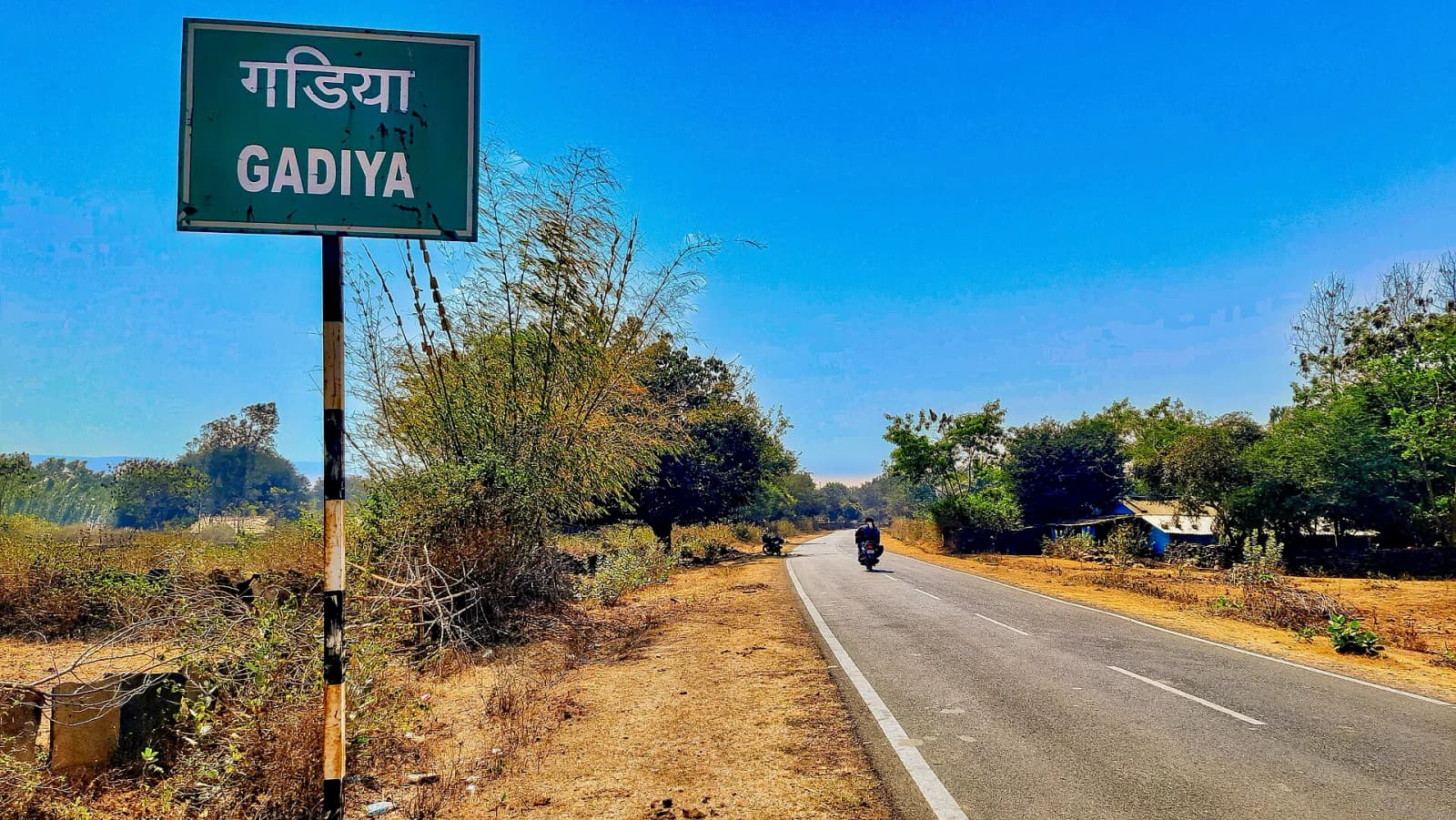
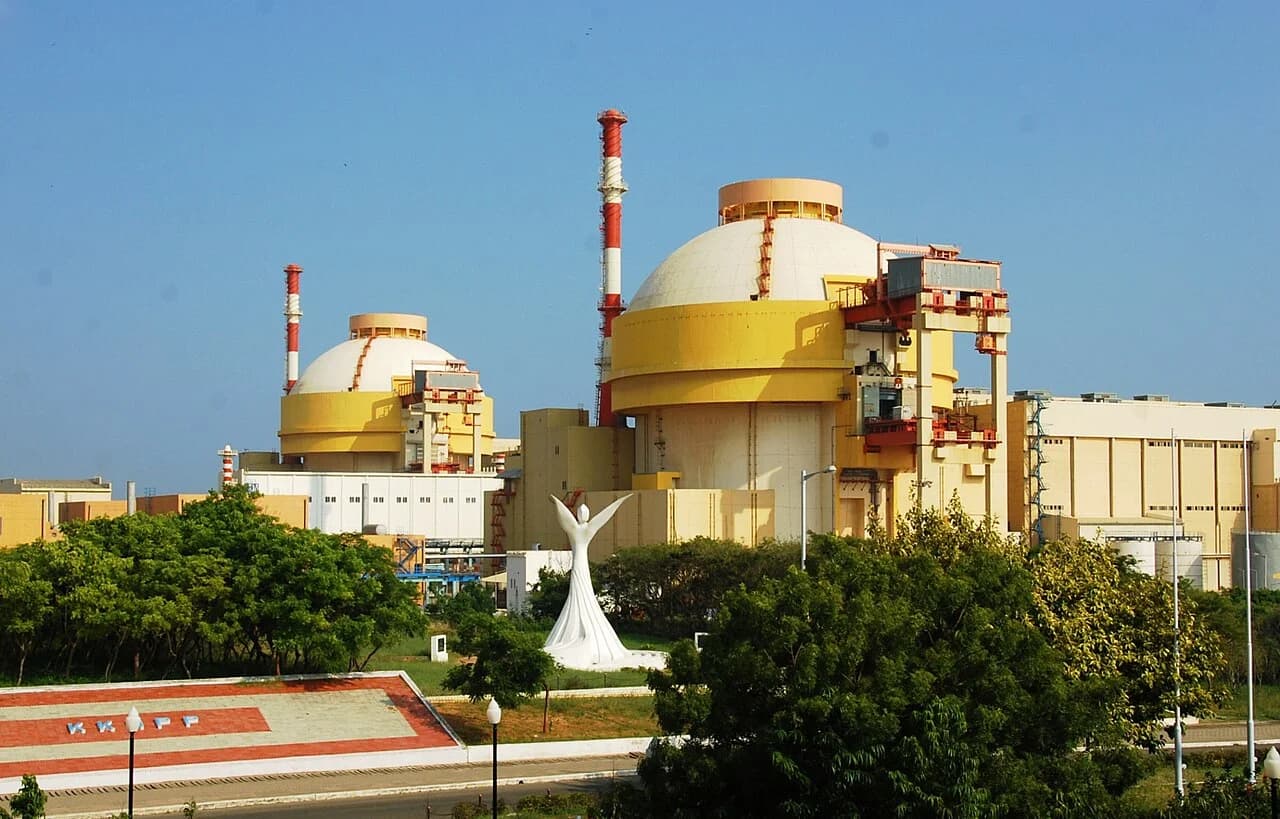
The protest is centred on Rojhauhi (also reported as Rajhaunhi) in Rewa district of Madhya Pradesh, where Tata Power Company Limited has proposed a nuclear project of two 220-megawatt units in the Rojhauhi-Sarai Kala area, according to a report by news agency IANS.
What did Jitu Patwari say at the protest site?
Patwari said the Congress would keep fighting the plant "till the last breath", Dainik Jagran reported. He told protesters that local objections should not be brushed aside and that no large project should move ahead without public consent and priority for local interests.
He also demanded that farmers whose land is acquired should get ownership rights, and said the matters linked to the project would be investigated if the Congress came to power in the state. Patwari attacked the Bharatiya Janata Party (BJP) government, calling it an "Ali Baba and forty thieves" government, and targeted Health Minister Rajendra Shukla.
No response from the state government or from Shukla to Patwari's remarks was available, according to the same report.
Why are villagers opposing the project?
Villagers have been protesting for weeks over fears for their land, homes and farm livelihoods. Tribal families, small farmers and farm labourers in the area have raised concerns about public safety, water availability and environmental impact, according to the IANS report.
The dispute sharpened over preliminary drilling for the project. According to the Congress, the gram sabha (village assembly) refused on 3 September to consent to preliminary drilling, and the gram panchayat informed the district collector of this by a letter dated 5 September. Leader of Opposition Umang Singhar alleged at a press conference in Bhopal on 26 October that a no-objection certificate was nevertheless issued on 23 September, citing a consent letter dated 4 September. Sarpanch Komal Sanjay Singh asked the divisional commissioner and the district collector on 8 October to check the authenticity of that consent letter and cancel the certificate, the report said.
Villagers say boring machines reached the village on 9 October despite the gram sabhas' refusal. In October, a tribal woman, Vimla Kol, died while taking part in a "jal satyagraha" (a protest standing in water) against the project, local media reported. The cause of her death has not been officially detailed in the reports reviewed.
What has the administration said?
Rewa Collector Narendra Kumar Suryavanshi has said that no land has been formally acquired or allotted for the project and that only preliminary testing and technical surveys were being carried out. He has said the preliminary investigation does not mean the plant is being set up.
Why it matters
The dispute has turned a local land question into a statewide political issue, with both Patwari and Singhar now backing the protesters. It also raises questions about how consent from gram sabhas is recorded and verified before survey work begins on major projects in tribal and farming areas.
What happens next?
The protest is continuing, and the Congress has said it will keep up its opposition. The villagers' demand for an inquiry into the disputed consent letter is still pending, and the state government has not publicly announced any decision on the project's future.
Photo source · Reetesh Chaurasia, CC BY-SA 4.0