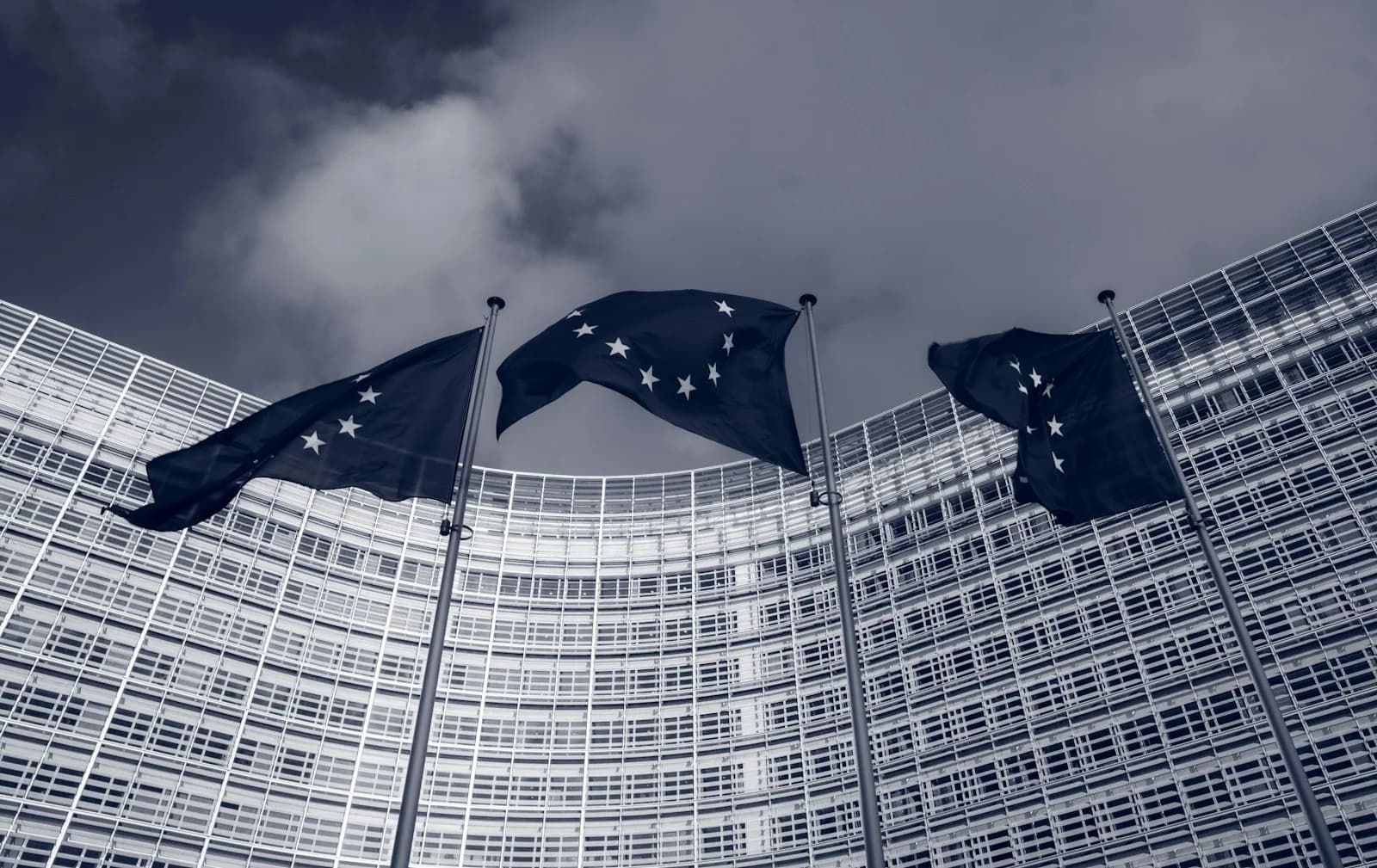
The United Kingdom and the European Union agreed a package of deals at their second summit, held in Brussels, Belgium, on 20 November 2026. British Prime Minister Andy Burnham called it a deal that cuts costs for business and opens doors for young people. MapMyTimes reported the summit outcome here. This explainer covers what the package contains, what the British government says it is worth, and what is still unknown.
What is the UK–EU "reset" deal?
The deal is a set of agreements meant to lower trade barriers that followed Britain's exit from the EU, and it has three main parts: food and farm trade, carbon markets, and a youth mobility scheme. The UK government's summit announcement also lists new work on migration and security. The government estimates that the package could add up to 0.5% to UK gross domestic product by 2040, or roughly £17 billion a year. That figure is the government's own projection, not an independent estimate.
Why is it in the news?
It is in the news because leaders confirmed the package in Brussels on 20 November 2026, after months of talks. In his speech at the summit, Mr Burnham addressed European Commission President Ursula von der Leyen and described the agreement as "the single biggest growth measure that we could take in this Parliament." A government factsheet published on 17 November had set out the three files as the package to be agreed at the summit.
What changes for food and farm trade?
Checks on food, farming and plant products moving between Britain and the EU are to end, along with most of the related paperwork, according to the government. Export Health Certificates, which the government says can cost up to £200 each, are to be scrapped. Some British products that were blocked from EU markets after Brexit can be sold there again; the government names fresh sausages and burgers, Welsh mussels and Scottish seed potatoes.
The deal is also meant to work alongside the Windsor Framework, the existing arrangement for Northern Ireland, to remove most checks on food and plants moving from Great Britain to Northern Ireland. The government's factsheet says that once the food deal is fully implemented, it will remove the vast majority of "Not for EU" labels. The government puts the value of this part at up to £5.1 billion a year by 2040. A separate government release on the same day said the supermarket chains Morrisons, Tesco and M&S backed the food deal.
What does linking carbon markets mean?
Linking carbon markets means connecting the UK and EU emissions trading schemes, the systems in which companies must hold permits for the carbon they emit. The government says the link will create the world's largest linked carbon market. Its practical effect for exporters is that about £6.5 billion of British exports, including steel and aluminium, will be exempt from the EU's Carbon Border Adjustment Mechanism (CBAM), a charge on the carbon content of certain imports into the EU. The government values this part at up to £3.8 billion a year by 2040.
Who can use the Youth Experience Scheme?
The Youth Experience Scheme is open to people aged 18 to 31 and lets them live, work, study and travel for up to three years. The government says there are no job-offer, language or salary requirements. It is reciprocal, so young Europeans can also come to Britain, including to study at UK universities.
The government stresses the limits: the scheme is capped, time-limited and visa-based, gives no access to state benefits and does not allow participants to bring dependants. The factsheet says the Prime Minister's red lines rule out a return to freedom of movement for the rest of this Parliament. The government estimates the scheme could add up to 0.2% to UK GDP.
Will Britain pay into the EU budget?
No, according to the UK government, which says nothing in the food, carbon or youth deals requires British taxpayers to pay into the EU budget. The factsheet adds that both sides will pay proportionate shares of running costs, such as shared IT systems and databases. Critics may question that distinction, but it is the government's stated position.
What else was agreed?
The two sides also agreed a new structured dialogue on migration and joint action under a Channel Action Plan against people-smuggling gangs, the government said. It listed shared security work on Russia's "shadow fleet", cyber threats and disinformation, and said support for Ukraine remains a priority.
How does it affect you?
If you are a British or EU consumer, business or young person, the deal is designed to affect you directly, through cheaper and simpler food trade, lower costs for some exporters and new travel and work options for people aged 18 to 31. For readers in India and elsewhere outside the UK and EU, the direct effect is limited. The Youth Experience Scheme, as described in the government documents, is a reciprocal arrangement between Britain and the EU, and the documents do not mention any route for people from other countries. Indian companies that trade with both Britain and the EU may see indirect effects as rules on food and carbon between the two come closer together.
What is still not confirmed?
Several details have not been published in the documents MapMyTimes reviewed. These include the size of the youth scheme's cap and any fees, the dates on which food checks will end and the carbon markets will link, and how disputes over the rules will be settled. These points matter because they will decide how quickly people and businesses feel the change.
What happens next?
The next step is legislation in Britain. Mr Burnham said in his speech that the Chief Whip would introduce a Bill in Parliament "next week" to put the deal into effect. Electricity is not part of this package; Mr Burnham said the deal could open the door to lower electricity costs and that Britain would explore that with the EU. Readers should watch for the Bill's text, which should show the timetable and the terms still missing.