The United Nations Educational, Scientific and Cultural Organization (UNESCO) on 20 November 2026 launched its 2026 Global Report on Early Childhood Care and Education at its headquarters in Paris, France, warning that more than US$35 billion in additional annual investment is needed worldwide if every child is to receive at least one year of pre-primary education by 2030. The report, published jointly with the United Nations Children's Fund (UNICEF) and the Organisation for Economic Co-operation and Development (OECD), was released on World Children's Day.
What does the 2026 report say?
The report says progress on early learning has slowed and the money to restart it is not there. According to UNESCO's press release on the launch, enrolment in early childhood education rose from 64% in 2003 to 75% in 2024, but growth has stalled over the past decade. Only 59% of children starting primary school had at least one year of pre-primary education, a share that has barely moved since 2015.
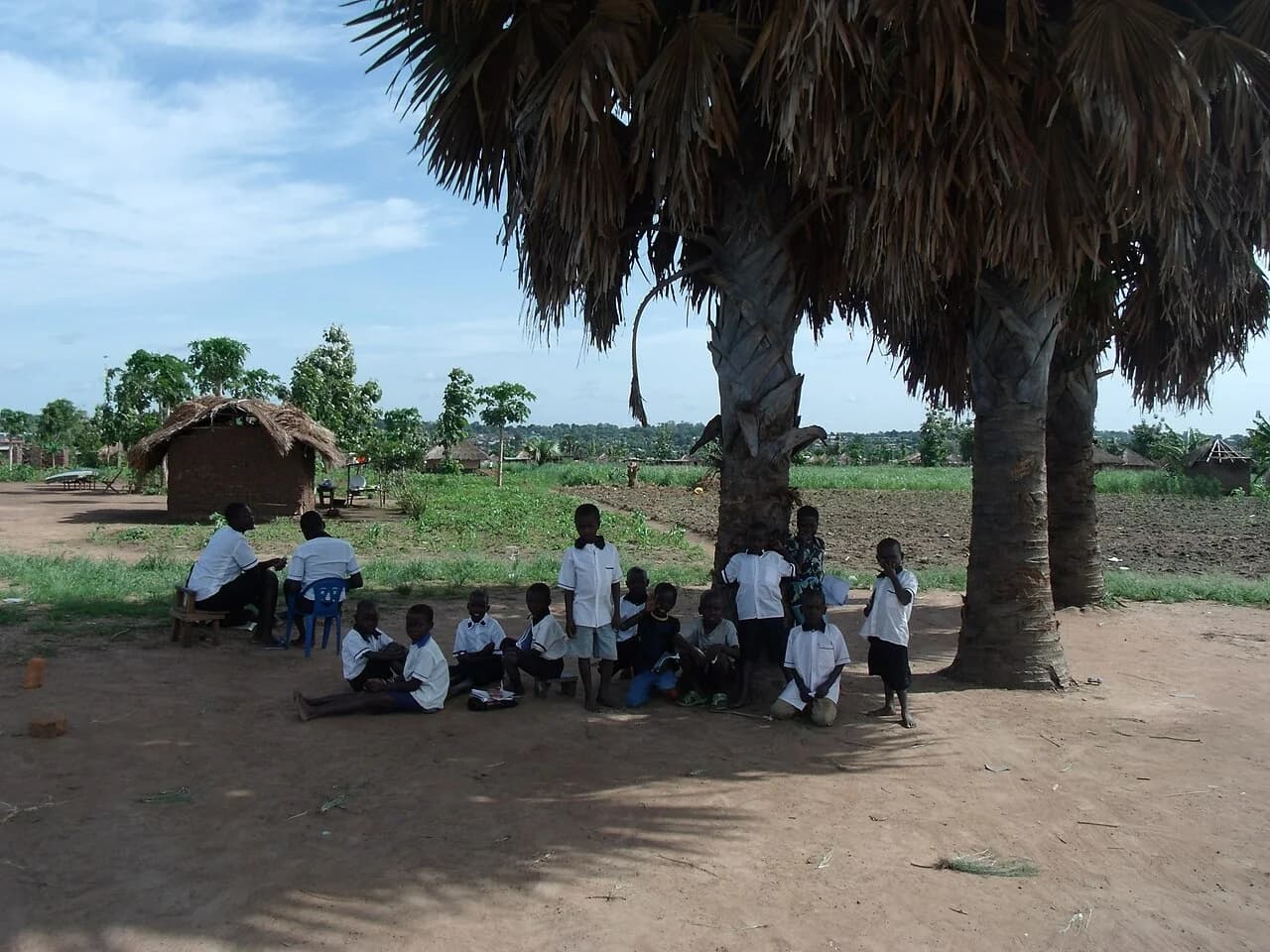
The gaps between regions are wide. UNESCO says enrolment in 2024 was above 90% in Europe and Northern America and in Latin America and the Caribbean, but close to 50% in sub-Saharan Africa and in Northern Africa and Western Asia. The report also finds that 64% of children aged 24 to 59 months are developmentally on track, falling to 53% in sub-Saharan Africa.
How big is the funding gap?
The funding gap is put at about US$35 billion a year for poorer countries. Citing Global Education Monitoring (GEM) Report estimates, UNESCO says low- and lower-middle-income countries need an average of US$69 billion a year between 2027 and 2030 to deliver early childhood education, and public finance covers only about half of that.
The organisation says pre-primary education receives only about 3–4% of education budgets on average in low- and middle-income countries. The report puts the cost of not acting at an average of 3% of gross domestic product (GDP) globally, rising to 7% in low-income countries. On the other side of the ledger, it estimates that every US$1 invested in closing childcare policy gaps could generate about US$3.76 in additional global GDP by 2035.
Staffing is another constraint. UNESCO says the world needs about 6 million additional pre-primary educators by 2030, and only 57% of pre-primary teachers in low-income countries meet minimum training requirements.
What are governments being asked to do?
The report asks governments to put early years funding on a predictable, multi-year footing rather than relying on short-term allocations. Its recommendations, as summarised by UNESCO, are to:
- secure predictable, multi-year financing for early childhood education;
- increase investment specifically for children under three;
- strengthen coordination across education, health and social protection;
- prioritise disadvantaged children and reduce the financial burden on families;
- invest in a qualified early years workforce.
UNESCO Goodwill Ambassador Pharrell Williams was quoted in the release as saying: "When we invest in young children, we invest in all of our futures."
Who attended the launch?
According to UNESCO, the Paris launch was attended by Sheikha Jawaher bint Mohammed Al Qasimi, Chairperson of the Sharjah Family and Community Council, and 10 ministers. The organisation's event page describes the report's theme as financing for equitable and inclusive access to quality early childhood care and education, with plenary sessions streamed on the UNESCO website.
Why does it matter?
The years before primary school are when children build the language, social and thinking skills that later schooling depends on, and the report frames under-funding of this stage as a cost that economies pay later. The findings add to a run of child-focused reports released around World Children's Day, including Save the Children's figures on children living in conflict zones, which MapMyTimes reported on in Save the Children: Record 589 million children lived in conflict zones, and UNICEF's warning on children in Ukraine.
On the same day, UNESCO's GEM Report team released a regional edition on the Arab States, which found that enrolment of five-year-olds in the region rose from 26% in 2000 to 45% in 2024, below the global average.
What happens next?
The 2026 report is the latest in UNESCO's global reporting on early childhood care and education, and its figures are aimed at governments setting education budgets for the years up to the 2030 deadline of the Sustainable Development Goals. Whether national budgets shift towards the early years will be the test of its impact.
Photo source · Janmesh Shah, Unsplash License