Almost one in four children in the world, an estimated 589 million, lived in a conflict zone in 2025, the highest number and share recorded since 1990, Save the Children said in a report released on 19 November 2026, on the eve of World Children's Day on 20 November. The report, Stop the War on Children: Changing the Odds, is the eleventh in the charity's series and draws on data from the Peace Research Institute Oslo (PRIO) and UN monitoring of grave violations against children.
How many children live in conflict zones?
About 589 million children lived within 50 km of a conflict incident in 2025, according to the report. That is a 7 per cent rise on the revised estimate for 2024 and compares with roughly one in six children in 2021. The share of the world's children exposed to conflict has climbed from around 10 per cent in the mid-1990s to 23.4 per cent in 2025.
Which regions are worst affected?
Africa had the largest number of children in conflict zones, about 260 million, accounting for 44 per cent of the global total. Asia followed with 177 million, then the Americas with 69 million, the Middle East with 67 million and Europe with 15 million.
In proportion to their child populations, the Middle East (40.2 per cent) and Africa (39.2 per cent) were hit hardest, with around two in five children living in conflict zones. The figure was 24.2 per cent in the Americas, 14.3 per cent in Asia and 10.6 per cent in Europe. The number of affected children in the Middle East rose from about 52 million in 2024 to 67 million in 2025, an increase of almost 29 per cent, the report says.
What violations did the report record?
Drawing on two decades of UN reporting, the full report sets out these findings:
- The UN has verified 442,241 grave violations against children in conflict since reporting began in 2005, including 38,967 in 2025 alone.
- 171,712 children have been killed or maimed since 2005. More than 70 per cent of these cases were in five places: the occupied Palestinian territory, Afghanistan, Somalia, Syria and Yemen.
- Verified incidents of denial of humanitarian access rose sixteenfold in a decade, from 509 in 2015 to 8,322 in 2025.
- Abductions rose by 50 per cent in five years, from 3,460 cases in 2021 to a record 5,128 in 2025.
- Verified attacks on schools and hospitals have increased every year since 2019, reaching 2,930 in 2025.
The report also notes that protections are under strain. It says five European states began withdrawing from the Mine Ban Convention in 2025, and that Lithuania's exit from the Convention on Cluster Munitions took effect.
What does Save the Children want governments to do?
The charity calls for action on three fronts: upholding international standards of conduct in armed conflict, holding perpetrators of violations to account, and taking practical steps to protect children and support their recovery. In her foreword, Inger Ashing, Chief Executive Officer of Save the Children International, writes: "Governments and parties to conflict must uphold the laws of war. Those responsible for violations must be held accountable."
Why it matters
Save the Children says the verified numbers are a floor, because many violations, particularly in places such as Sudan, cannot be independently confirmed. The report adds to a series of warnings this week, including the UNICEF alert on child casualties in Ukraine and pledges made at the Manila conference on violence against children.
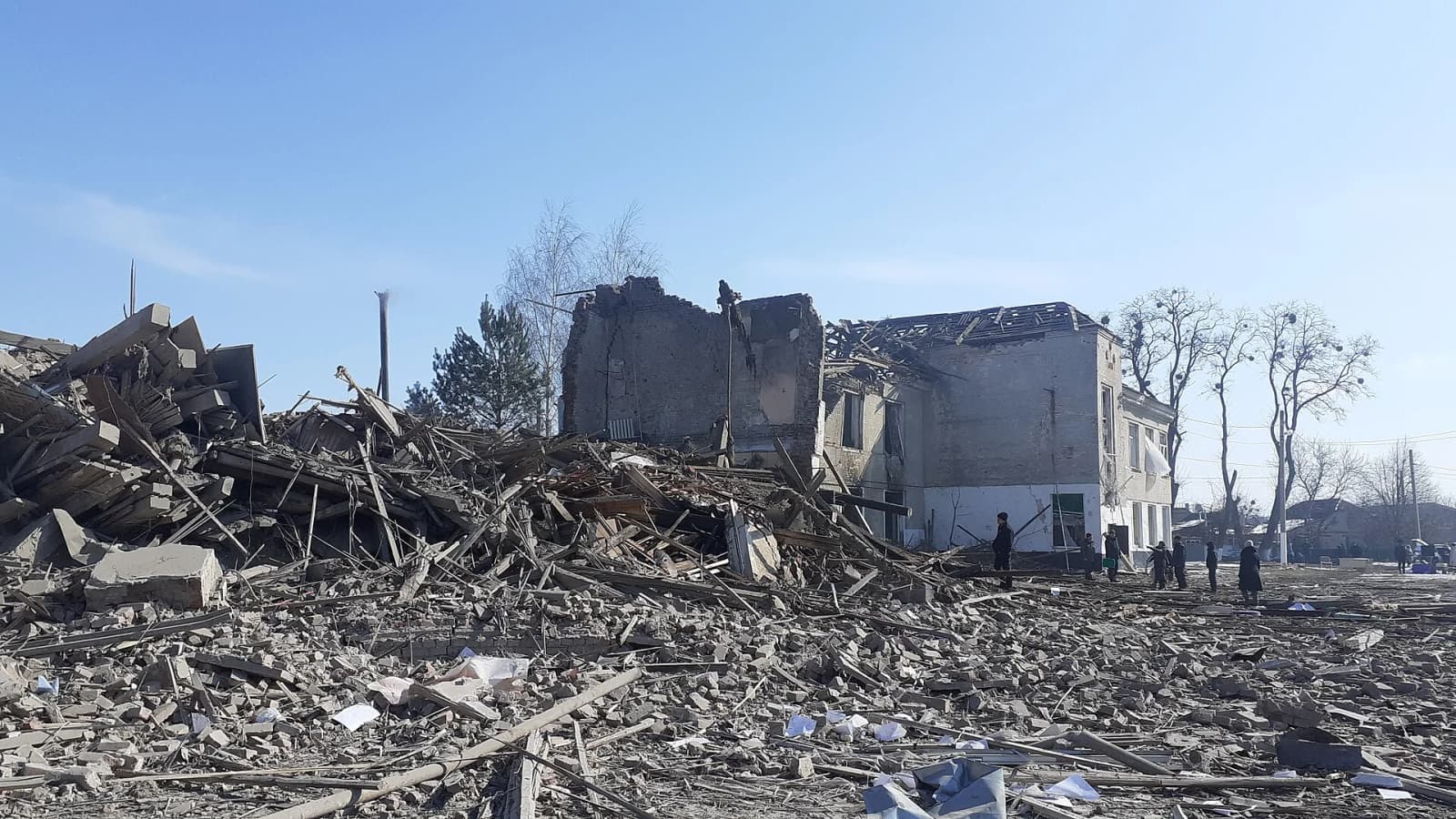
Photo source · Kharkivian (Serhii Petrov), CC BY-SA 4.0