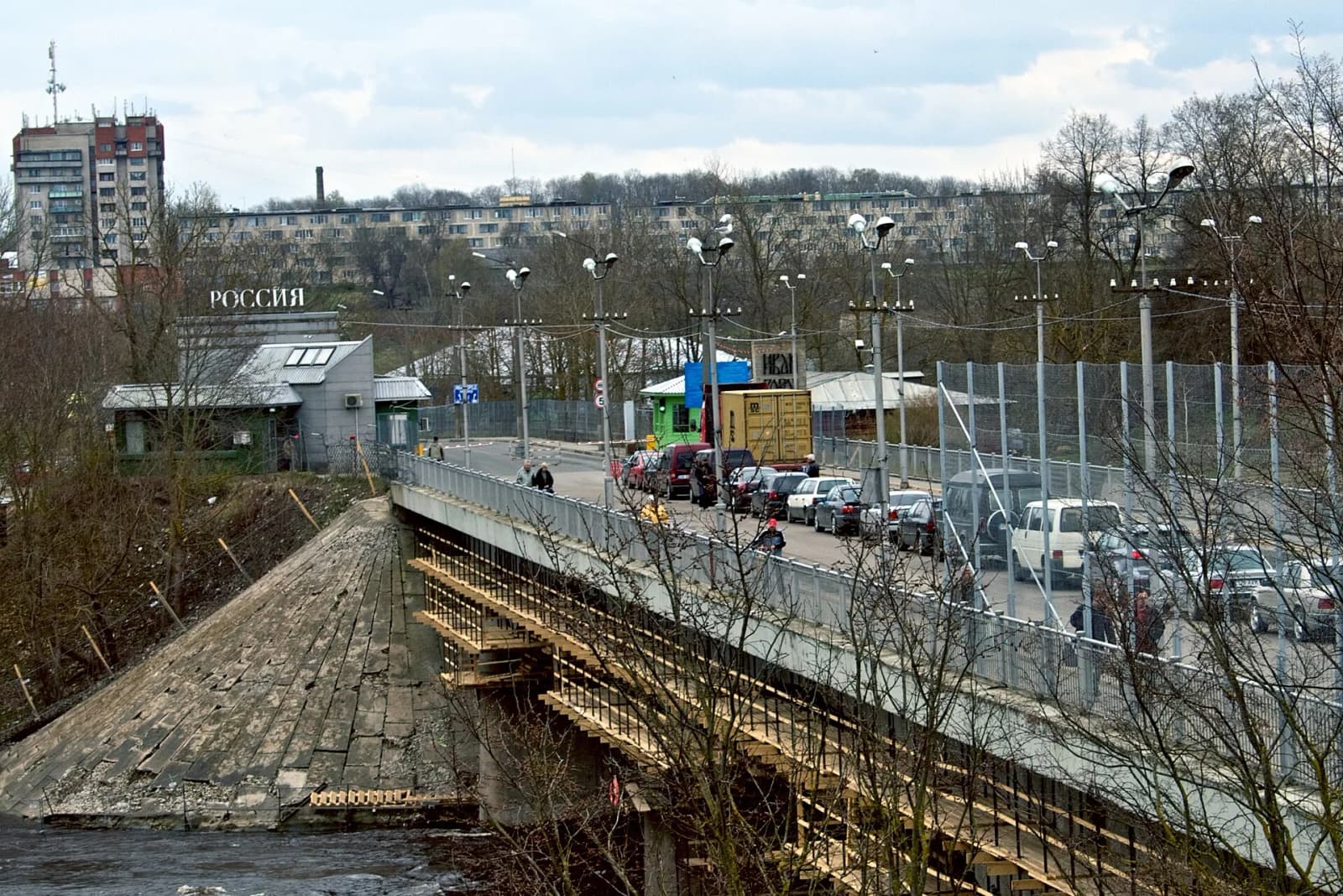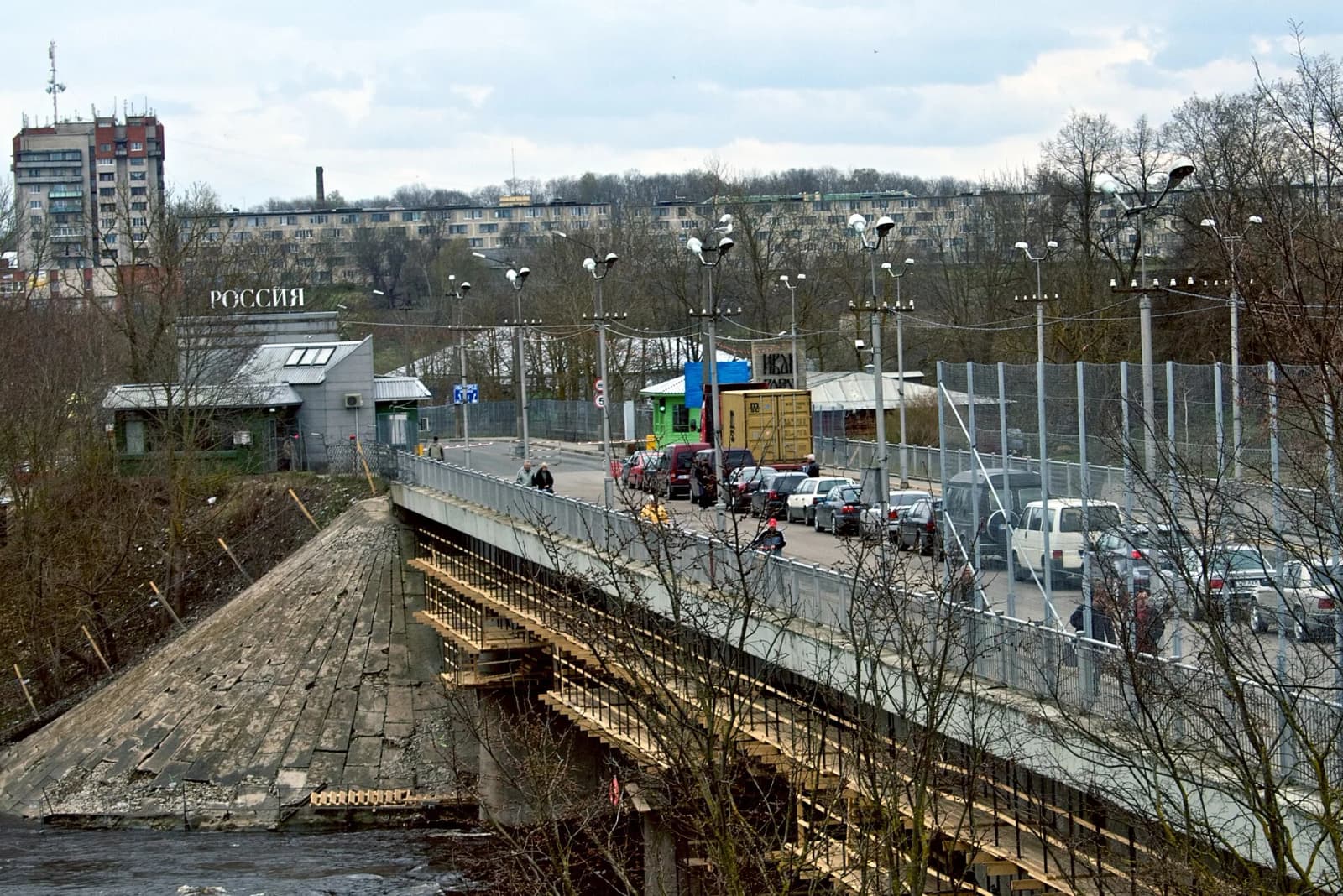
This is a MapMyTimes opinion piece. On 20 November 2026, Estonia's government in Tallinn decided to shut all five of its road checkpoints with Russia (Narva-1, Narva-2, Koidula, Luhamaa and Saatse) for six months from 7 am on 1 December, as MapMyTimes reported. The security case is serious. But a six-month closure that cuts families off completely, with no defined way to cross in an emergency, risks punishing the wrong people.
Why is Estonia closing the border?
Estonia says the closure is needed to protect national security and public order. According to public broadcaster ERR, Prime Minister Kristen Michal said Russia's hostile activities were "showing no signs of abating" and that security agencies had recorded more than 10 Russian attacks on Estonia over the years. The plan was first announced on 15 November, after eight people were detained over an attempted arson attack on the drone maker Threod Systems; Estonian authorities say Russia's GRU military intelligence ordered it, Al Jazeera and Reuters reported. Russia's foreign ministry has called the plans "aggressive and unrestrained Russophobia".
A government facing sabotage on its own soil has a duty to act, and Estonia is not alone: Finland's land border with Russia has been closed since December 2023. Rail freight will continue under strict customs checks, and the decision is to be reviewed after six months. That is a measured design, not a panic move.
Who pays the price?
The people who pay most are not GRU officers but ordinary residents of Narva and Ida-Viru County. Narva mayor Jaan Toots told ERR's Russian-language Radio 4, in remarks reported by LRT, that the city learned of the decision from the news. He asked for a way for Estonian residents to visit elderly relatives in Russia, attend funerals or deal with urgent family matters, and warned of lost jobs among local border and customs staff and of fewer visiting tourists. ERR's report on the decision mentions no exemptions for such cases, though ministers will discuss measures to soften the impact on south-eastern Estonia and Ida-Viru County in the coming weeks.
The strongest case against exceptions
The fair counter-argument is that any gap becomes a target. Foreign Minister Margus Tsahkna has said closing the crossings "will reduce Russia's ability to conduct hostile activities in Estonia". A humanitarian lane, critics would say, is exactly the kind of channel a hostile service could exploit, and Finland has kept its border shut for nearly three years without one. Security officials also cannot publish everything that drives their assessment.
Those are real concerns. But they argue for a tightly controlled exception, not for none at all.
What should Estonia do?
- A narrow humanitarian procedure: pre-approved crossings for documented emergencies such as a death or serious illness in the family, at limited times, with full checks.
- Published review criteria: tell residents what would need to change for the closure to be lifted, eased or extended in six months.
- Help for Narva now: the promised support for the border region should be announced before 1 December, not after the gates close.
Estonia's resolve sits within a wider pattern of pressure on NATO's eastern flank, including Poland's report this week that a Russian missile came down on its territory. Standing firm against that pressure is legitimate. Doing it in a way that keeps faith with border towns whose residents include people with family on the other side, would make the policy stronger, not weaker.
Photo source · Tony Bowden, CC BY-SA 2.0