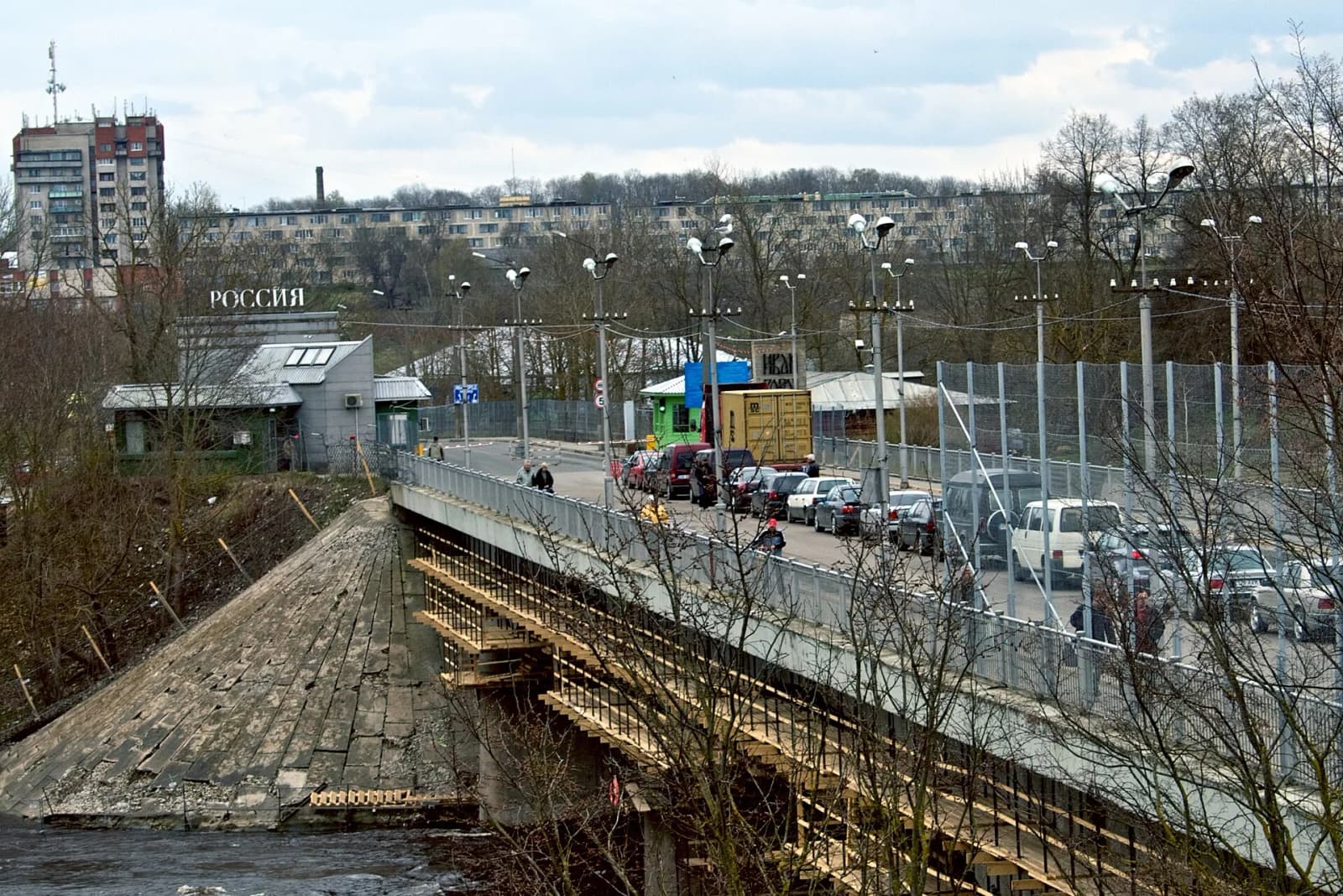
Estonia's government decided on 20 November 2026 in Tallinn to suspend crossings at all of its road border checkpoints with Russia for six months from 7 am on 1 December, citing national security and public order. The decision covers the movement of people and vehicles through the Narva-1, Narva-2, Koidula, Luhamaa and Saatse checkpoints, Estonian public broadcaster ERR reported.
What exactly will close?
All Estonian-Russian road checkpoints will stop handling people and vehicles, according to ERR's report on the government decision. Rail freight will continue, subject to existing restrictions and operating capacity and under strict customs checks. After six months, the government will assess whether the restrictions need to be adjusted.
The government advised Estonians currently in Russia to plan their return early, and said travellers would have to use other open routes that may be longer and costlier. It said it would discuss measures over the coming weeks to soften the impact on residents of southeastern Estonia and Ida-Viru County, the region that includes the border city of Narva.
Why is Estonia doing this?
The government says Russia's hostile activities against Estonia are not easing. Prime Minister Kristen Michal said "Russia's hostile activities are showing no signs of abating" and that Estonia was "acting firmly and calmly", ERR reported. The government cited a series of Russian attacks, including the latest one targeting the defence industry, and ERR said security agencies have recorded more than 10 Russian attacks against Estonia over the years.
Interior Minister Igor Taro said the closure would limit Russia's ability to organise further attacks, and accused Russian security services of "intimidating and trying to recruit our citizens" at the checkpoints, Reuters reported. Foreign Minister Margus Tsahkna said Russia bears responsibility for the closure, while also saying the decision was not linked to the latest attempted sabotage, according to ERR.
The move follows weekend events. On 15 November, Tsahkna first announced the plan to close the crossings, after eight people were detained over an alleged attempted arson attack on drone maker Threod Systems, Al Jazeera reported. Estonian authorities said such attacks were ordered by Russia's GRU military intelligence. The Kremlin has denied involvement.
How has Russia responded?
Russian Foreign Ministry spokeswoman Maria Zakharova said Moscow would respond with political and diplomatic measures if Estonia went ahead, and called the steps "attempts to erect a new Iron Curtain", Reuters reported. Earlier, a ministry spokeswoman told the TASS news agency that the plans were "yet another bout of aggressive and unrestrained Russophobia", according to Al Jazeera.
Who will be affected?
About 760,000 people have crossed the Estonia-Russia border this year, including 307,000 Russian nationals, 175,000 Estonian citizens and 54,000 Finnish passport holders, Reuters reported, citing Estonian police data. Thousands of people in Estonia have relatives in Russia, and the Narva crossing is used by travellers heading to St Petersburg. ERR reported that Estonian goods exports to Russia have fallen about threefold since 2021, and the government expects the overall economic impact to be limited.
Regional context
Finland's land border with Russia has been closed since December 2023, while Latvia, Lithuania and Poland have also tightened crossings in recent years. The decision comes during a week of heightened tension on NATO's eastern flank, after Poland said a Russian Kh-101 missile fell on its territory during an attack on Ukraine. Whether the closure is extended beyond six months will depend on the government's review, and Moscow has not yet detailed the measures it says it will take.
Photo source · Tony Bowden, CC BY-SA 2.0