The United Nations climate summit, COP31, reached its scheduled final day in Antalya, Türkiye, on 20 November 2026 without an agreement, as a group of countries from Europe, Africa, Latin America and the Pacific rejected a draft deal that no longer mentions fossil fuels. Panama said it would formally object to any outcome that leaves coal, oil and gas out, a move that could delay or block a decision that needs consensus among nearly 200 governments.
What changed in the draft?
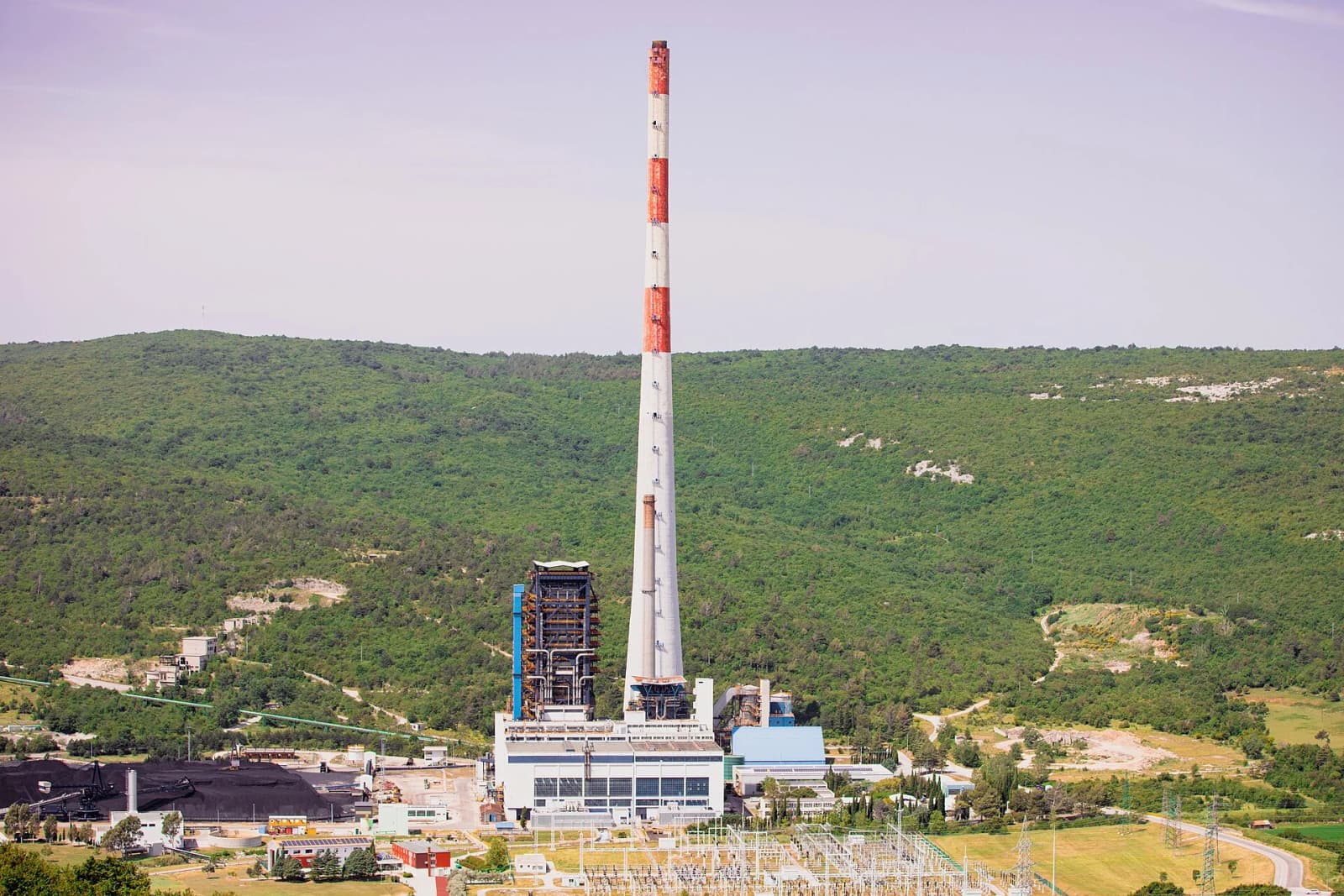
The fossil fuel language was removed. A revised version of the summit's main political text, the "cover decision", was released on the afternoon of Thursday, 19 November, and it drops the explicit references to moving away from coal, oil and gas that appeared in earlier versions, UN News reported from Antalya. According to ThePrint, a first draft released on 16 November had carried two such references, along with a pledge to phase out fossil fuels.
The new text also drops a $120 billion adaptation finance goal sought by developing countries, proposing instead further talks on tripling adaptation finance by 2035, Agence France-Presse (AFP) reported. The draft does, for the first time, acknowledge that the 1.5°C warming limit will be overshot, and calls for any overshoot to be kept as small and short as possible.
It retains a proposal from host Türkiye to raise electricity's share of global final energy consumption to 35 per cent by 2035. AFP reported that some countries object because the text does not require the additional electricity to come from clean sources rather than coal or gas.
Who is pushing back?
France and Panama led a joint press conference in Antalya on Friday, backed by Belgium, Côte d'Ivoire, Finland, Greece, Guatemala, Spain, Sweden and Vanuatu, according to UN News. France's Minister for Ecological Transition, Monique Barbut, said the world could not acknowledge that it is approaching 1.5 degrees of warming and carry on as usual, and criticised the draft for promoting carbon capture in several paragraphs while omitting fossil fuels. AFP quoted her calling the omission a "black mark".
Panama's Environment Minister, Juan Carlos Navarro, said his country would formally object to any agreement that does not mention fossil fuels. The group listed six priorities: science-based decisions, an orderly transition away from fossil fuels, fair contributions to climate finance from the biggest emitters, faster clean electrification, quicker methane cuts and better coordination among the three Rio Conventions.
Australia's Climate Minister, Chris Bowen, who is leading the negotiations, said on Thursday that delegates "won't be leaving the rooms of Antalya" until consensus is reached, UN News reported. Civil society groups were sharply critical. Tasneem Essop, Executive Director of Climate Action Network International, said the proposed deal does nothing to protect people or meet the priorities of the Global South.
Where does India stand?
India is part of a smaller group, along with Saudi Arabia, that wants the next assessment reports of the Intergovernmental Panel on Climate Change (IPCC) delayed until 2029, AFP reported. Dozens of other countries want those reports out before the 2028 global review of national climate efforts, making the timing one of the main points of friction.
Aarti Khosla, Director of the Indian research group Climate Trends, told ThePrint that the draft reflects India's long-held view that climate ambition cannot be separated from equity, but said the obligations of developed countries to provide finance remain insufficiently clear. Harjeet Singh, global convenor of the Fill the Fund campaign, described the second draft as "actively more regressive" than the 16 November text.
Why it matters and what next
Adaptation finance is directly relevant to climate-vulnerable countries such as India. UN News cited figures showing adaptation finance fell from $81.5 billion in 2022 to $64.1 billion in 2024. The debate also comes amid an energy-price shock linked to the war involving Iran, which the International Energy Agency examined in its latest World Energy Outlook.
As of Friday afternoon, the COP31 Presidency led by Türkiye's Murat Kurum had not published a new version of the proposed "Antalya Accord", UN News said, and AFP reported that the talks were expected to run into the weekend. Whether a final text restores any fossil fuel wording, and whether Panama follows through on its objection, is not yet known.
Photo source · Mussi Katz / Flickr, CC0