The International Energy Agency (IEA) said on 19 November 2026 that the energy shock triggered by the Iran war is the largest the world has faced, and that there is no route back to the energy system that existed before it. The Paris-based agency's flagship annual report, the World Energy Outlook 2026, also says India will add more to global energy demand over the next decade than any other country or region.
"I don't see any credible pathway for the energy world to return to the way it was before," IEA Executive Director Fatih Birol said, according to the Associated Press. He added that "the longer the crisis lasts, the deeper the effects will be."
What does the IEA say about the Strait of Hormuz?
The IEA says oil flows through the Strait of Hormuz could shrink sharply if shipping risks there persist. About a fifth of the world's traded oil used to pass through the strait, and the report estimates that flows of about 20 million barrels a day before the crisis could fall to 8.5 million barrels a day in 2030 and below 2 million by 2035 in such a case. That would come from new bypass pipelines, other sources of supply and importers cutting demand.
The agency stresses that its scenarios are not forecasts. Even in the prolonged-disruption case, the Middle East would remain the largest exporter of oil to world markets. If the conflict is clearly resolved, the report says oil and gas supply could rebound strongly, helped by a delayed wave of liquefied natural gas (LNG), which could turn into a buyer's market and push prices down.
In March, the IEA coordinated the release of 400 million barrels of crude oil from emergency stocks to steady markets.
Who gains from the shift?
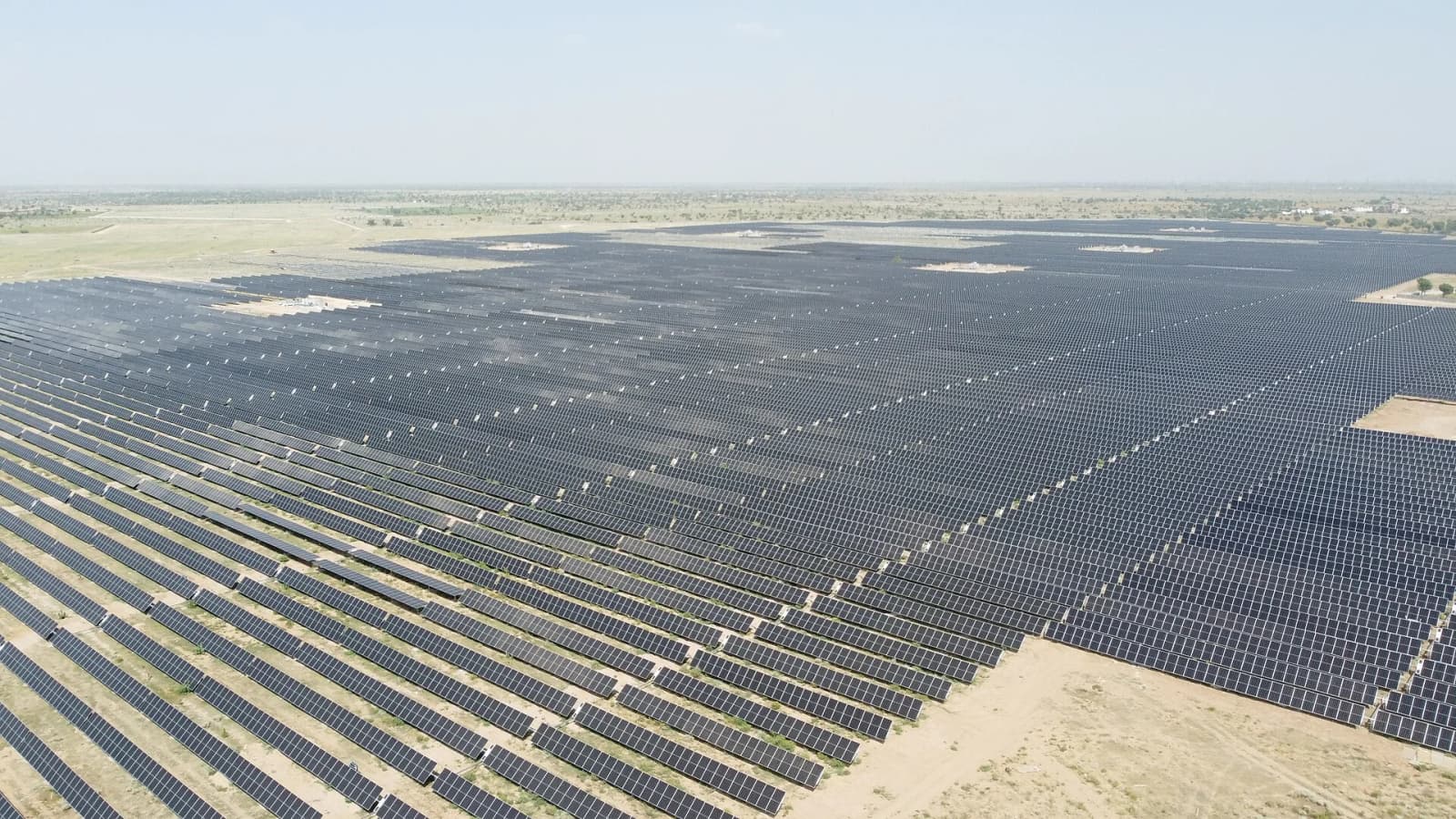
Renewables, led by solar power, and nuclear energy are the "biggest beneficiaries" as governments turn to domestic sources of energy, the IEA says. The report also expects more spending on energy efficiency and faster electrification. In China, electricity's share of energy use could climb from 32% last year to 43% by 2035, the highest of any major economy.
Coal may also benefit in the short term. The AP report noted that coal-rich parts of Asia moved into "energy triage" after the strait was cut off. Birol said coal "has a momentum", but that it was not yet clear whether this would last. He also warned that countries seeking energy security should take care not to swap one dependency for another, according to the Institute of Materials, Minerals and Mining.
Why does it matter for India?
The IEA projects that India will account for more growth in energy demand over the next decade than any other country or region. That makes India's choices between imported oil and gas, domestic coal and fast-growing solar central to the global outlook. The report also flags a "striking milestone": energy demand for cooling is overtaking demand for heating for the first time, a trend that matters for hot countries such as India.
The agency warns that progress on access to electricity and clean cooking, which sped up in 2025, risks slowing because of higher fuel prices and shortages in 2026, especially in emerging and developing economies.
What does it mean for climate goals?
Under current and stated policies, the report projects global warming of 2.5°C to 2.9°C, far above a path consistent with 1.5°C. The IEA expects the crisis to speed up the uptake of low-emission technologies, but says the gap remains large.
The report arrives as the United Nations climate talks, COP31, enter their final stretch in Antalya, Türkiye, where a revised draft deal dropped all mention of fossil fuels a day before the scheduled close. Türkiye, the host, is pushing to raise electricity's share of global energy use from about 21% today to 35% by 2035.
What happens next?
The IEA says the scale of change will depend on how long the crisis lasts. For India, the immediate questions remain shipping safety and fuel supply in the Gulf, which MapMyTimes has tracked in its explainer on the Hormuz tanker attacks.
Photo source · Sarvajanik Puralekh, CC BY-SA 2.0