United States Defence Secretary Pete Hegseth signed an agreement to restore military cooperation with Venezuela during an unannounced visit to Caracas on 18 November 2026, the first trip to the country by a Pentagon chief since US forces captured then-President Nicolás Maduro in January.
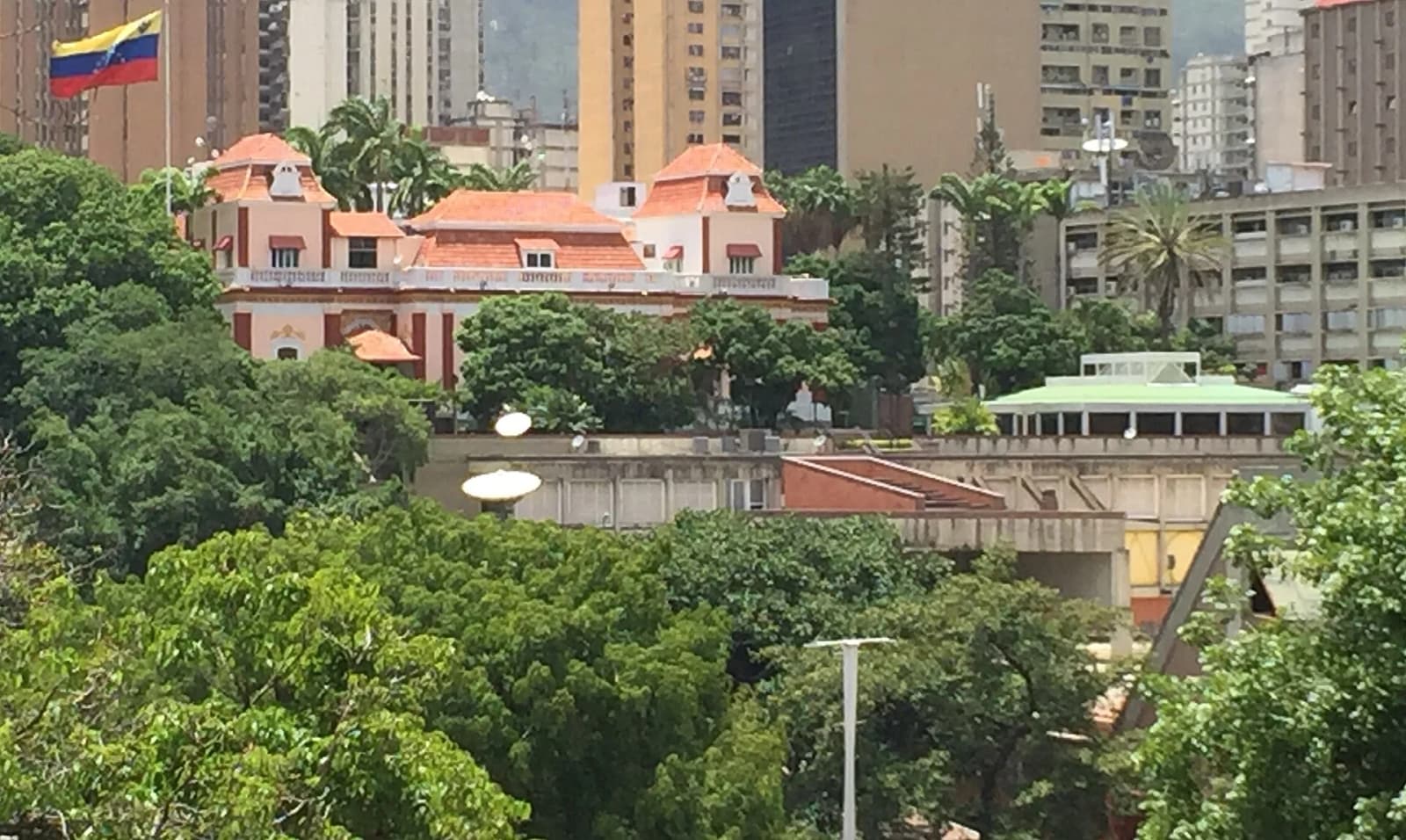
Hegseth met acting President Delcy Rodríguez at the Miraflores presidential palace and signed the deal with Venezuela's Defence Minister, Gustavo González López, MercoPress reported. The agreement revives military cooperation that the late President Hugo Chávez cut off in 2005.
What does the agreement cover?
The deal covers joint training, intelligence sharing and the supply of defence equipment, according to Hegseth, though few details have been made public. The militaries would be "training together, partnering together, sharing intelligence, more defense equipment and capabilities together," he said, according to the Associated Press. The Pentagon did not immediately release more details, and the text of the agreement has not been published.
Hegseth said Venezuela was partnering with the US "to recover its territory from narco-terrorist networks". Speaking at the US embassy, he said the country "has gone from our most aggressive regional threat to a compliant security partner" and praised his "close cooperation" with Rodríguez.
What did Venezuela say?
In his first statement since taking office, González López said cooperation would follow Venezuela's Constitution and respect its "sovereignty, independence and territorial integrity", while preserving the command of the Bolivarian National Armed Forces, according to MercoPress. Rodríguez said an energy deal with Washington benefits both countries and that she hoped military cooperation "can be brought to its highest possible level", the AP reported.
Why does the oil link matter?
Hegseth tied the new partnership to an earlier deal that, according to US President Donald Trump, gave the US control of some Venezuelan oil reserves. Hegseth said that arrangement "makes the Strait of Hormuz a non-factor for the Western Hemisphere", a reference to the Iran war that has disrupted Gulf energy supplies and pushed up fuel prices. India, which depends heavily on Gulf oil, has been watching the Hormuz disruption closely.
What is the background?
US forces captured Maduro in an operation in January; Hegseth described it in Caracas as "the single most sophisticated military operation in the history of Latin America". Rodríguez, a Maduro ally, took charge afterwards. According to the AP, her court-allowed term expired in July but she remains head of state, and no date has been set for the next presidential election.
MercoPress, citing the Spanish newspaper El País, reported that cooperation had already been working in practice for months, including US equipment and intelligence support for at least two operations inside Venezuela against armed groups. The AP noted that US strikes on alleged drug boats in the Caribbean and eastern Pacific have killed at least 240 people since September 2025, with little public evidence released by US officials to support their claims.
What is still unclear?
The cost of the agreement, its timeline and how it will be implemented have not been disclosed. Many Venezuelans, the AP reported, are relieved that Maduro is gone but critical that Washington has prioritised oil over steps towards democracy.
What happens next?
Hegseth's regional tour continues to Colombia and Ecuador, with a focus on security and drug trafficking, according to MercoPress.
Photo source · Guillermo Ramos Flamerich, CC BY-SA 4.0