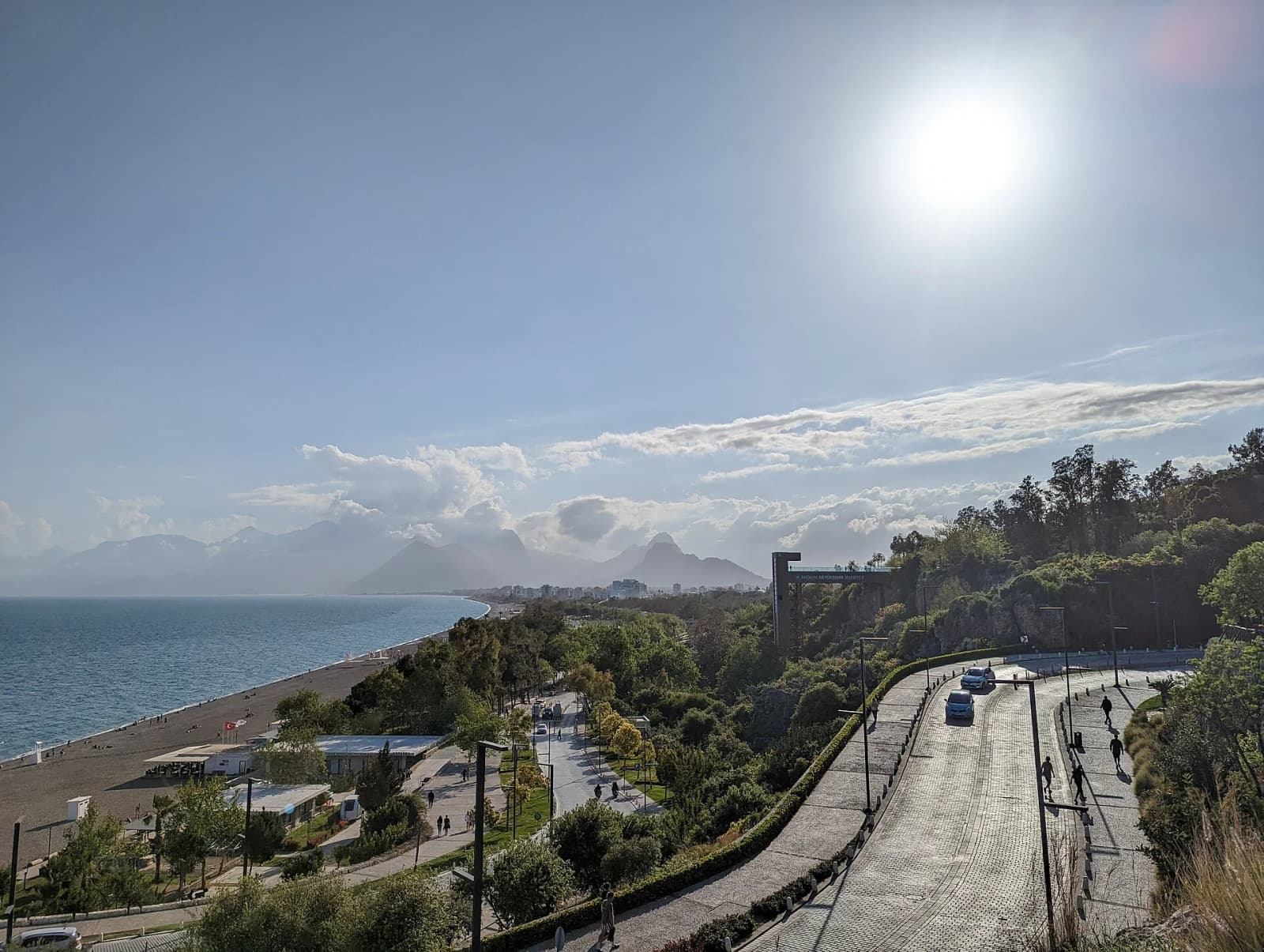
A revised draft of the main political decision at the COP31 UN climate conference in Antalya, Turkey, published on 19 November 2026, no longer mentions fossil fuels, according to reports by Reuters and the German news agency dpa. The new text came a day before the talks are scheduled to end on Friday, 20 November, and drops language on phasing out coal, oil and gas that appeared in the first draft released on Monday, 16 November.
What changed in the new draft?
The revised draft removes all direct references to fossil fuels, both agencies reported. According to dpa, the nine-page text does not contain the words "oil", "gas" or "coal", or the term "fossil fuels", and the fossil fuel transition agreed at COP28 in Dubai is mentioned only indirectly through a reference to that decision.
The contrast with Monday's version is sharp. The first draft of the cover decision, marked "unedited version 16/11/2026" on the UNFCCC website, included a paragraph that "calls for accelerated action to phase out fossil fuels, including through the immediate transition away from fossil fuels in energy systems". It also proposed that tripled adaptation finance should reach at least $120 billion. Reuters reported that the $120 billion figure has also been removed from the new draft.
What remains, according to the two agencies:
- A call to raise electricity's share of global final energy consumption from about 23% today to 35% by 2035, a goal proposed by host Turkey. Reuters said about 75 countries have backed it, but the wording is now softer and tied to national circumstances.
- Repeated calls to triple renewable energy capacity and double energy efficiency by 2030.
- An acknowledgement that warming may overshoot 1.5°C, with dpa reporting that the text aims to keep any overshoot "as small and brief as possible", and a call for "deep, rapid and sustained" emission cuts, according to Reuters.
- Encouragement to scale up carbon removal technologies.
Who pushed back on the first draft?
Oil-producing countries and a large bloc of developing nations objected to Monday's text. The Earth Negotiations Bulletin, which reports on UN climate talks, recorded that the Arab Group and Russia rejected the draft during presidency consultations on 16 November, opposing language that targets specific energy sources. The Like-Minded Developing Countries group said the draft crossed its red lines, including the 35% electrification target and a roadmap for moving away from fossil fuels. The UK, by contrast, said the decision should address the response to overshooting 1.5°C and give policy direction on key actions.
dpa reported that observers believe Gulf oil producers and Russia pushed for the change. Because UN climate decisions need consensus, any single country can block an outcome.
What are campaigners saying?
Mohamed Adow, director of the think tank Power Shift Africa, said the text "has gone backwards" and warned it would turn the meeting into a "ghost COP", Reuters reported. Jasper Inventor, head of Greenpeace's COP31 delegation, said the electrification goal was not clear enough about speeding up the move away from fossil fuels, and argued the mention of carbon removal could let the industry keep increasing production.
Why it matters
The cover decision is the headline political statement of a COP and signals how far countries are willing to go after the Dubai agreement to transition away from fossil fuels. COP31 is being run under a split arrangement: Turkey is the host, while Australia leads the negotiations, according to Reuters. India has used the talks to press developed countries on climate finance, as MapMyTimes reported on 18 November.
What is confirmed and what is not
Confirmed: the first draft of 16 November is public on the UNFCCC website and contains the fossil fuel and $120 billion language. Reported but not independently verified by MapMyTimes: the content of the 19 November revision, which is based on Reuters and dpa accounts; MapMyTimes could not find the revised text on the UNFCCC website at the time of writing. Reuters said the new draft is not expected to be the final version.
What happens next?
Negotiators will keep working on the text until the scheduled close on 20 November, and any final decision must be adopted by consensus of nearly 200 countries. Recent COPs have often run more than a day past their deadlines, Reuters noted.
Photo source · FingerWiki, CC BY-SA 4.0