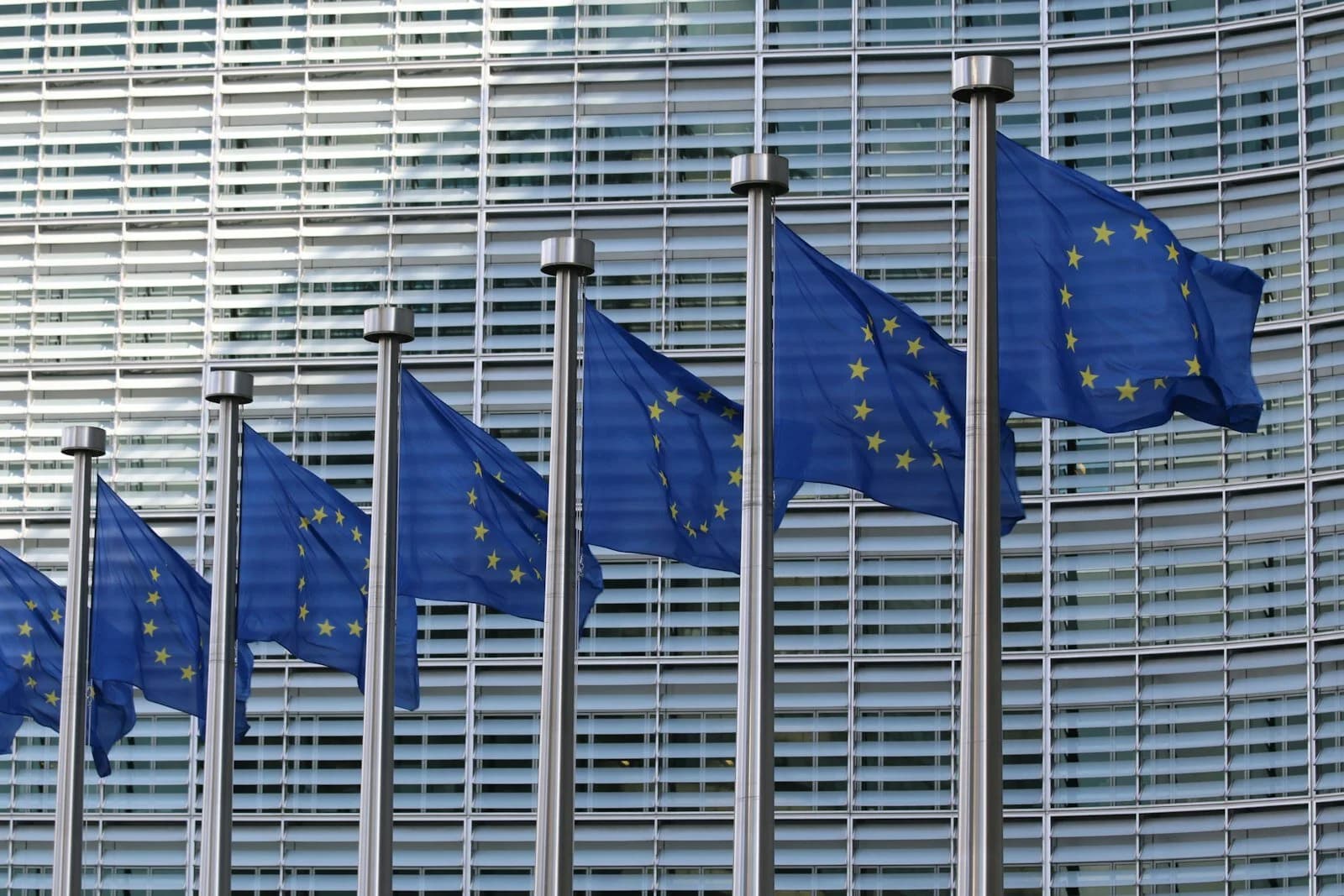
The United Kingdom and the European Union concluded a package of agreements at a summit in Brussels, Belgium, on 20 November 2026, covering food trade, carbon markets and a new youth mobility scheme. British Prime Minister Andy Burnham said the deals open "a new chapter" ten years after the Brexit referendum. They were agreed with European Commission President Ursula von der Leyen and European Council President António Costa.
What did the UK and EU agree?
According to the UK government's announcement, the package spans food and drink, carbon markets, youth mobility, migration and security. London estimates the combined deals could add up to 0.5% to UK GDP by 2040, or about £17 billion a year.
- Food and farm trade: Checks on food, farming and plant products, and most related paperwork, will end. Export Health Certificates, costing up to £200 each, will be scrapped, and products such as fresh sausages and burgers, Welsh mussels and Scottish seed potatoes can again be sold into the EU. The government values this at up to £5.1 billion a year by 2040.
- Carbon markets: The UK and EU emissions trading schemes will be linked, and £6.5 billion of British exports, including steel and aluminium, will be exempt from the EU's Carbon Border Adjustment Mechanism (CBAM), the release said.
- Youth Experience Scheme: People aged 18 to 31 will be able to live, work, study and travel for up to three years on the other side, with no job offer, language or salary requirement. The UK says the scheme is capped, time-limited and visa-based, with no access to benefits and no right to bring dependants.
- Migration and security: A new structured dialogue on migration and cooperation under a Channel action plan against people smuggling, alongside joint work on Ukraine, Russia's "shadow fleet", cyber defence and disinformation.
What did leaders say?
In his speech at the summit, Burnham called the agreement "a win-win" and said it was "the single biggest growth measure that we could take in this Parliament". He described the youth scheme as being about "lifting your life chances". In the government release he added: "This is Britain believing itself again."
A UK government spokesperson told Al Jazeera that "the deal is done" and that both sides would now work towards implementation. Reform UK leader Nigel Farage criticised the agreement, calling Burnham naive and accusing the EU of using the moment to "strong-arm" him, Al Jazeera reported.
Why does it matter beyond Europe?
The carbon market link is notable for exporters elsewhere, including India. The EU's CBAM is a carbon levy at the border, and the UK says linking the two trading schemes will exempt British goods such as steel and aluminium from it, while other countries' exporters remain outside this arrangement. MapMyTimes recently reported Piyush Goyal's remark that India's trade deals now cover $70 trillion of world GDP.
What is confirmed and what happens next?
Negotiations on the three main deals have concluded, according to Downing Street. Each side must still complete its own legal process. Burnham said the Chief Whip would introduce a Bill next week to implement the food (sanitary and phytosanitary), emissions trading and other elements. Implementation timelines are due in a joint statement, and talks continue in some areas. The UK release did not specify a numerical cap or fees for the youth scheme, or a start date.
Photo source · Guillaume Périgois, Unsplash License