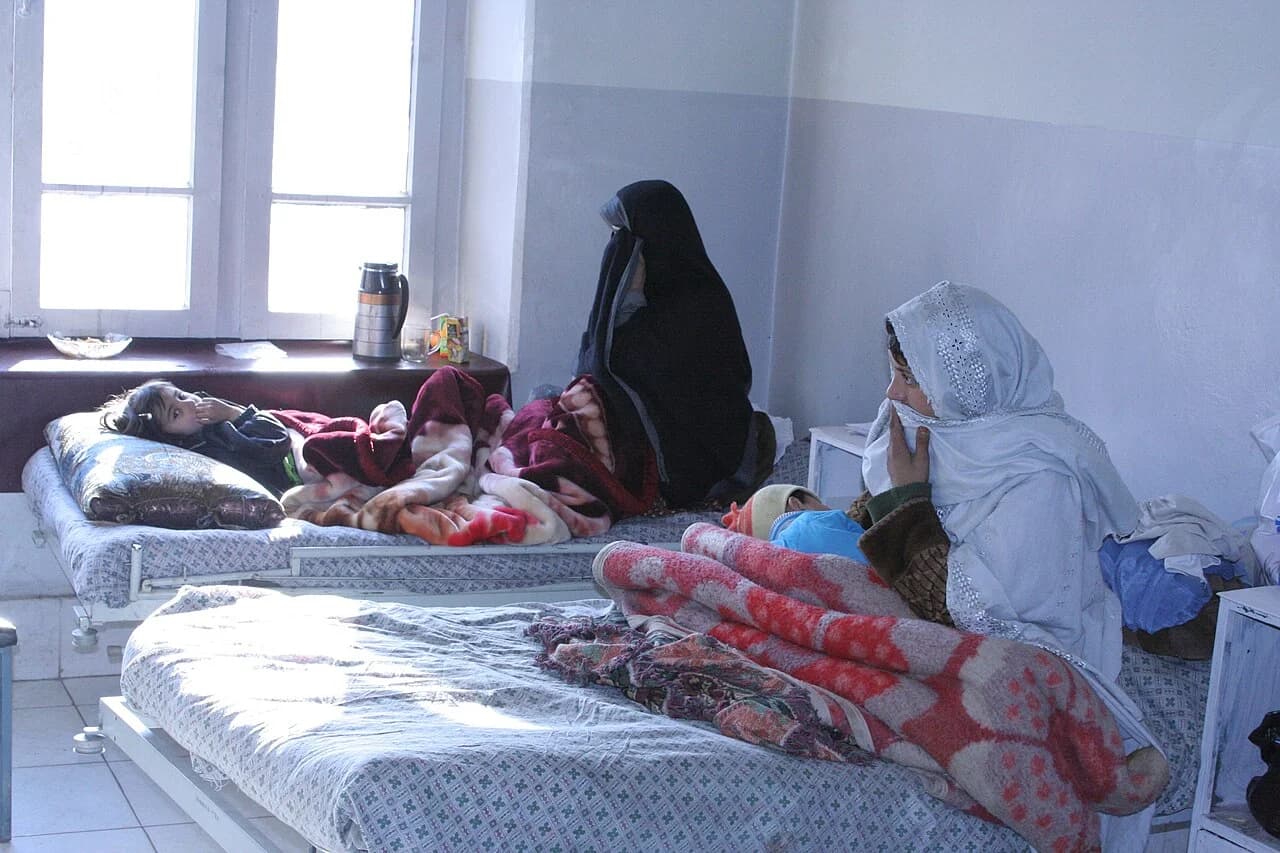
United Nations agencies warned on 20 November 2026 that a widening clampdown on the rights of women and girls in Afghanistan, combined with deep cuts to aid funding, is keeping a growing number of them, including pregnant women, from getting medical care. The warning, reported by UN News, came from UN Women, the UN aid coordination office OCHA and their partners, who said nearly 300 humanitarian health facilities in the country have closed or been suspended.
Why are Afghan women struggling to get health care?
Afghan women are being cut off from care by a mix of official restrictions and shrinking aid. According to UN News, the de facto authorities have issued more than 100 edicts since 2021 that sharply limit women's movement outside the home and their access to education and work. Women are barred from many public spaces and most workplaces.
At the same time, cuts to humanitarian funding have forced clinics to shut. UN Women, OCHA and partners said the closure or suspension of nearly 300 humanitarian health facilities has affected more than one million women and girls.
What did UN officials say?
Sofia Calltorp, Chief of Humanitarian Action at UN Women, had just returned from Afghanistan. She warned that the country's 22 million women and girls risk being denied health care in the longer term. Recounting a meeting in Kunar province, she said: "One woman that I met in Kunar told me that she had suffered multiple miscarriages without access to healthcare."
Ms Calltorp said funding cuts had forced aid workers into hard choices about who receives help, adding that "we cannot accept this as normal".
Susan Ferguson, UN Women's Special Representative in Afghanistan, called the situation the "world's worst women's rights crisis". She urged governments and international donors to "stay the course and increase, not cut, your support".
Beyond clinics: violence support, water and schooling
The agencies said the impact goes well beyond hospitals and health posts. According to UN News:
- More than 193 focal points that support survivors of gender-based violence have closed.
- Around 3.4 million women and girls in need are unlikely to have access to water, sanitation and hygiene services.
- About 2.6 million girls have been barred from secondary education.
UN Women warned that keeping girls out of secondary school is expected to push more of them into child marriage and to increase maternal deaths.
What is confirmed and what is not?
The figures on facility closures, gender-based violence support points and water services come from UN Women, OCHA and partners, as reported by UN News. The agencies did not publish new figures on maternal deaths in this warning, and they did not name the specific edicts that most affect pregnant women. The UN News report did not include a response from Afghanistan's de facto authorities.
Why does it matter?
Afghanistan's humanitarian system relies heavily on foreign funding. As donors cut budgets, the agencies say, the gap is being felt first by women and girls, who already face legal limits on where they can go and who can treat them. UN officials argue that losing health facilities now could cause long-term harm to maternal and child health.
What happens next?
UN Women and its partners are calling on donor governments to restore and increase funding for programmes in Afghanistan. Whether those appeals are met will shape how many health facilities and support services can reopen in the months ahead.