South Korea has confirmed its first locally acquired cholera case in 10 years, the Korea Disease Control and Prevention Agency (KDCA) announced on 20 November 2026. The patient, who was treated in Changwon in South Gyeongsang Province, had not travelled abroad in the previous two months, so health officials believe the infection was picked up inside the country.
What did the KDCA confirm?
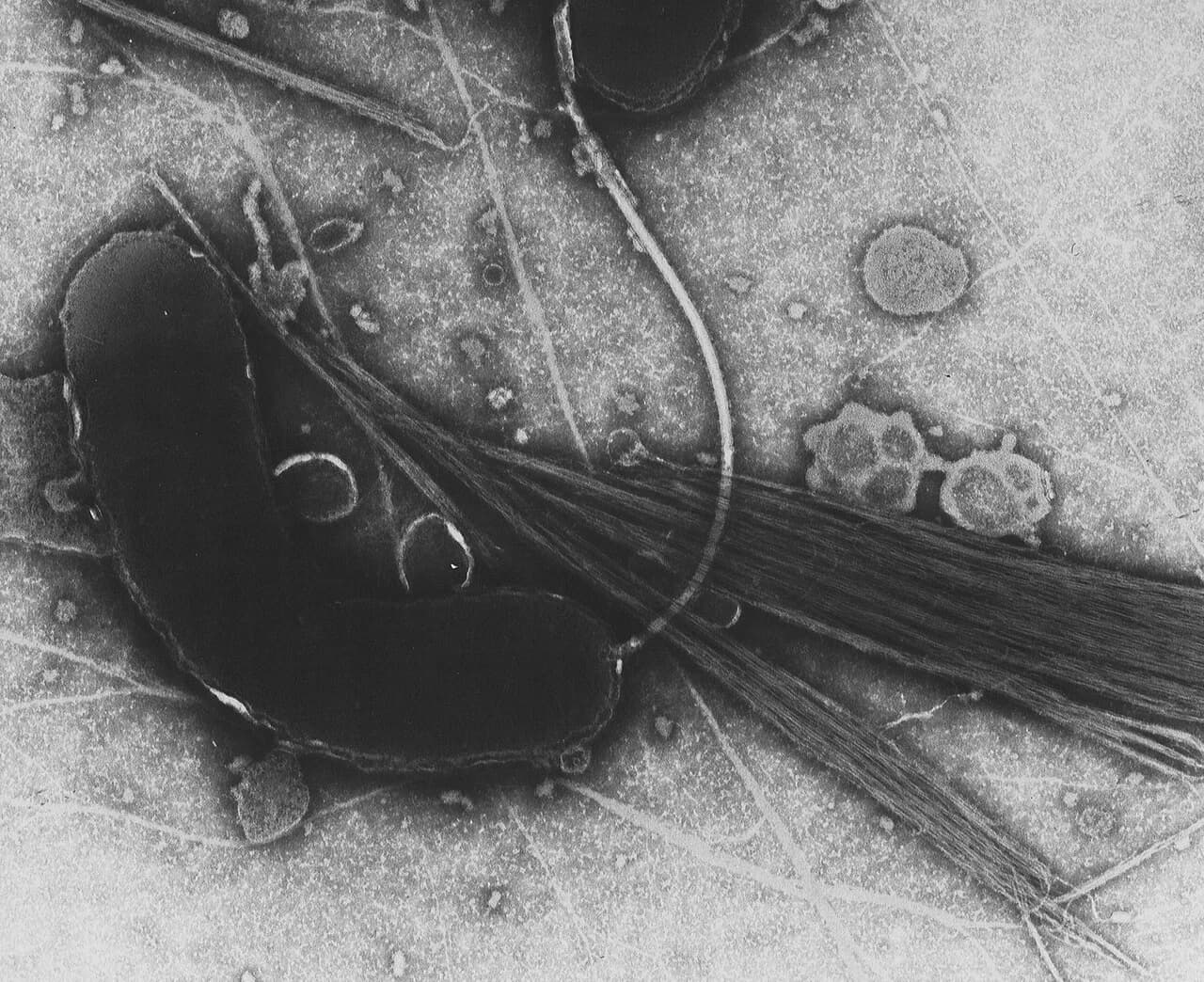
The KDCA confirmed the toxin-producing cholera bacterium Vibrio cholerae O1, Ogawa serotype, in the early hours of 19 November, according to its press release issued on 20 November. It is the first domestic case since 2016, when three locally acquired cases were reported.
The agency has not released the patient's age or sex.
How was the case found?
The case came to light only after a second round of testing. According to the KDCA's timeline:
- 6 November: The patient went to a hospital emergency room in Changwon with vomiting and diarrhoea.
- 9 November: After treating the symptoms, the hospital suspected cholera, reported it to health authorities and tested the patient.
- 16 November: The first test came back negative.
- 17 November: The patient's symptoms cleared and they were discharged.
- 18 November: The Gyeongnam Institute of Health and Environment retested leftover samples that had been taken before antibiotics were given, and found a positive result.
- 19 November: The KDCA confirmed the toxin-producing strain.
Korean business daily Hankyung reported the same sequence of dates in its own coverage of the announcement on 20 November.
Is the patient still a risk to others?
The patient remains under isolation management until two follow-up tests in a row come back negative, the KDCA said. Health authorities are carrying out an epidemiological investigation to trace the source of the infection and are monitoring the patient's contacts. The agency noted that its findings are preliminary and could change as the investigation continues.
The source of the infection has not been identified.
How does cholera spread?
According to the KDCA, cholera spreads mainly through eating contaminated seafood or other food, or drinking contaminated water. It can, rarely, pass through direct contact with a patient's faeces or vomit. Symptoms can appear within a few hours to about five days. The main sign is sudden, painless, heavy watery diarrhoea. Severe cases can lead to dehydration and shock, and can be fatal if treatment is delayed.
The KDCA said cholera bacteria that do not produce toxin occur naturally in the sea and are regularly detected. However, its annual marine monitoring programme, run from March to November since 2005, has not found any toxin-producing strain in seawater so far.
What is the public being told to do?
KDCA Commissioner Im Seung-kwan urged people to follow basic prevention rules against cholera and other water- and food-borne diseases. The agency's advice includes:
- Washing hands with soap under running water for at least 30 seconds.
- Cooking food thoroughly and drinking boiled or otherwise safe water.
- Washing fruit and vegetables in clean water, or peeling them.
- Not preparing food while suffering from diarrhoea.
- Using separate chopping boards for seafood, meat and vegetables, and disinfecting knives and boards after use.
He also asked anyone who has repeated or persistent watery diarrhoea after travelling abroad or eating seafood to see a doctor, and asked clinicians to test and report suspected cases quickly.
What happens next?
The investigation into how the patient was infected is continuing. The KDCA's list of cholera quarantine management areas, as of 1 October 2026, covers 36 countries, including India, Bangladesh, Pakistan, Nepal and the Philippines, and travellers returning from these places are advised to watch for symptoms.