Iraqi security forces moved into Jurf al-Sakhar, a town south of Baghdad in Babil province, on 20 November 2026 and opened a joint command centre there under a compromise reached with the Iran-backed armed group Kataib Hezbollah, which has controlled the area for more than a decade. Lt Gen Saad Maan, head of the government's security communications office, told a press conference that the centre began operating at 6 am local time, Kurdish broadcaster Rudaw reported.
What did Iraq and Kataib Hezbollah agree?
Under the deal announced late on Thursday, 19 November, government forces enter the town while the group's fighters are expected to relocate to other parts of Iraq, according to Reuters, which said the arrangement was brokered by Shi'ite politicians. Prime Minister Ali al-Zaidi said a "joint operations centre" would be set up in Jurf al-Sakhar, Al Jazeera reported.
The force named for the area includes one Iraqi army brigade, one Federal Police brigade, an Energy Police regiment to guard oil pipelines, and two brigades from the Popular Mobilisation Forces (PMF), the state-sanctioned umbrella of mostly Shi'ite armed groups that also includes some Kataib Hezbollah fighters, according to Al Jazeera. The PMF said its units would begin replacing military units in the town on Friday.
What happened on the ground on Friday?
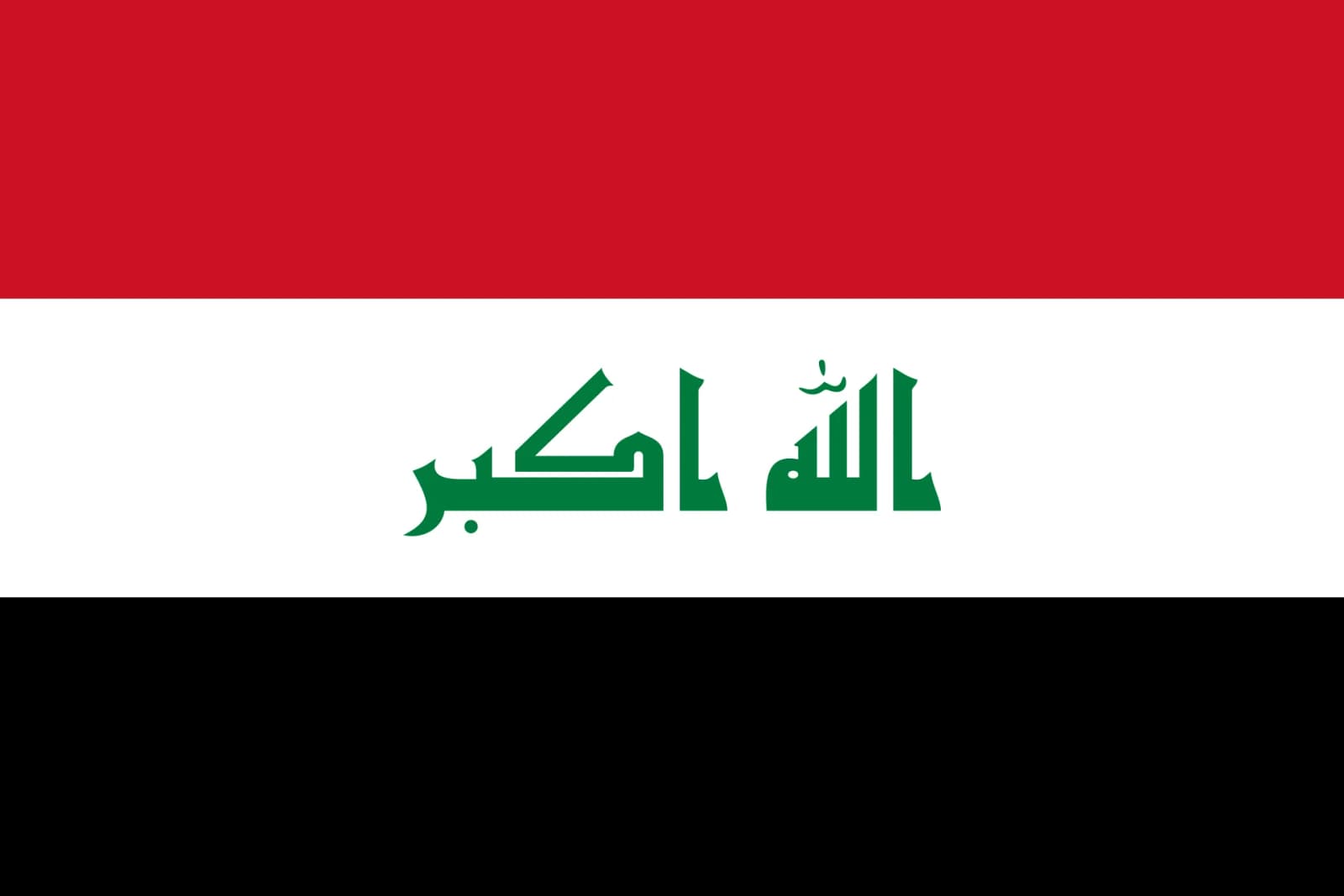
A convoy flying Iraqi flags entered the area and soldiers took up positions on the outskirts, Reuters reported. Yellow Kataib Hezbollah flags could still be seen further inside the town, but reporters accompanying the troops did not see any of the group's fighters. Rudaw said the Energy Police had begun securing pipelines and that a road running from al-Fadhiliya Bridge towards Karbala would reopen at 6 am on Saturday, 21 November, guarded by the army's 38th Brigade and federal police. Civilian vehicles will be allowed, but cargo trucks remain barred.
Maan described the measures as "a significant step towards fully restoring Iraqi sovereignty over the area", according to Rudaw.
Why did the government move on the town?
Tensions rose after Iraqi officials accused Kataib Hezbollah of running an oil smuggling network that, according to Reuters, diverted state oil worth hundreds of millions of dollars. The group denies the allegation and says the government is using it to undermine the group. Nine senior security and oil officials have been dismissed after the investigation, Reuters reported. Before the deal, a senior Iraqi official had said the group had until Friday to leave, and the group had threatened to confront government troops, Al Jazeera reported.
An Iraqi official said Esmail Qaani, commander of the Quds Force of Iran's Islamic Revolutionary Guard Corps, arrived in Iraq earlier in the week to help find a solution. A Kataib Hezbollah spokesman confirmed Qaani met senior members of the group, the head of the PMF and a representative of the Badr Organization, and described the outcome of the talks as "positive", Al Jazeera reported.
The move also comes as US President Donald Trump presses al-Zaidi to disarm militias that, according to Reuters, have attacked US forces in Saudi Arabia and the UAE since the US and Israel attacked Iran at the end of February. The United States has designated Kataib Hezbollah a terrorist group.
What is still unclear
- How far Kataib Hezbollah will withdraw: the group's secretary-general, Abu Hussein al-Hamidawi, told fighters to resume normal duties but did not explicitly confirm that the group would give up control, Rudaw reported.
- Whether residents can return: the town's mostly Sunni population was displaced after fighting in 2014, when the area was retaken from the Islamic State group, and successive governments have not secured their return, according to Rudaw.
Hundreds of troops are to oversee a handover starting on Saturday, Reuters reported.