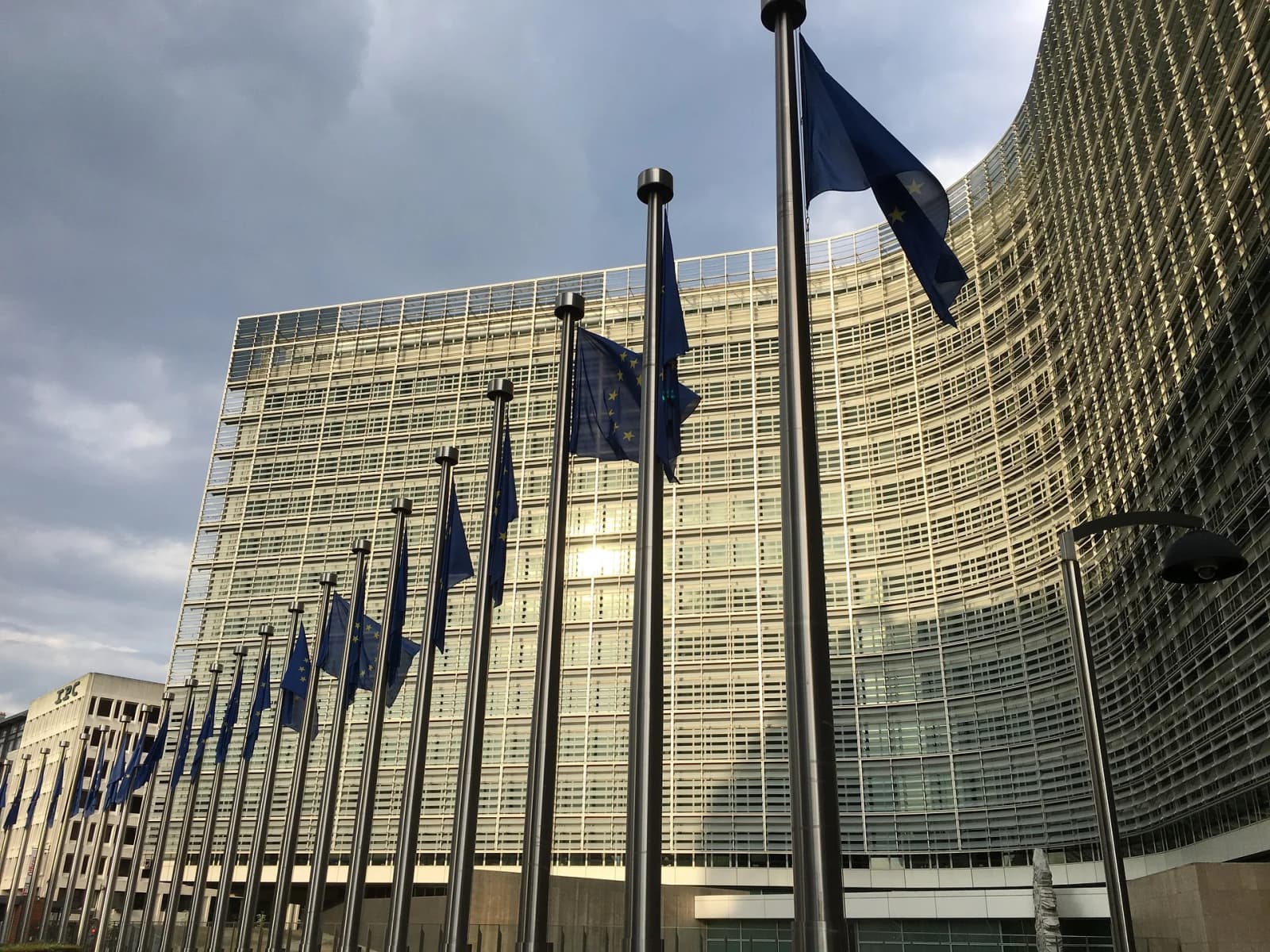
The European Commission confirmed on 19 November 2026 that hackers using a publicly available artificial intelligence tool had targeted its internal IT systems in Brussels, Belgium, disrupting staff platforms for payroll records, leave requests and medical reimbursements. Commission spokesperson Thomas Regnier told reporters that the investigation was still ongoing and that no evidence had been found of a data breach affecting Commission staff as a whole.
What happened at the European Commission?
The Commission, the executive arm of the European Union, was hit by what it described as a "detected cyber campaign" that took several internal applications offline. According to Euronews, the attack was first detected and confirmed on 22 October. Reports by Politico, cited by Euronews and The Register, said the disruption centred on Sysper, the human resources platform staff use for payslips, timesheets and holiday or sick-leave requests, and on MyPMO, the system for medical reimbursements. Translation services were also briefly affected, The Register reported.
Some staff were unable to book leave or file timesheets for several days, though salaries were paid as usual, according to The Register. Sysper came back online earlier in the week, went down again on Wednesday, and was working on Thursday, Euronews reported, citing two EU officials who spoke anonymously. The same officials said the JSIS health insurance scheme remained unavailable.
What is ARTEX, the AI tool linked to the attack?
ARTEX is an open-source penetration-testing platform driven by large language models, which Regnier said the attackers relied on to find software vulnerabilities. In a warning published on 5 November, CERT-EU, the cybersecurity service for EU institutions, said several threat actors around the world were using ARTEX to automate campaigns and quickly exploit misconfigurations and software flaws. CERT-EU said it had seen similar AI-driven activity, likely involving ARTEX, against organisations it protects.
According to CERT-EU, the tool takes a security goal written in plain language, splits it into tasks and sends software agents to carry out reconnaissance and testing. It does not contain its own AI model; operators plug in an external one. The original developer removed the project's code repository in October 2026 after reports of misuse, but copies made by others remain available, CERT-EU said.
What is confirmed and what is not
- Confirmed: the Commission says individual systems were targeted, those concerned have been informed, and most applications taken offline as a precaution have been restored.
- Confirmed: no ransom demand was received, Regnier said.
- Not known: who is behind the attack, whether it is still under way, and whether sensitive staff data such as names, pay grades and home addresses was taken. Regnier declined to attribute the attack or say whether it was continuing.
The Commission's IT department, DG DIGIT, is investigating, and CERT-EU and the European Data Protection Supervisor have been informed, Euronews reported. Tech commissioner Henna Virkkunen briefed fellow commissioners on Wednesday, according to The Register.
Why it matters
The incident is one of the most visible cases so far of attackers turning AI-powered security testing tools against a major public institution. Snehal Antani, chief executive of security firm Horizon3.ai, told The Register that attack chains which once took skilled operators "days or weeks" were "now happening in hours". The episode also follows earlier incidents at the Commission this year: Euronews said an attack in January targeted its mobile-device infrastructure, and in March the cloud infrastructure hosting Europa.eu websites was compromised.
Dutch MEP Bart Groothuis of the Renew group criticised the Commission for keeping information about such intrusions internal, telling Euronews that this was a missed opportunity to promote its economic security policy.
What next
The Commission said it would keep taking steps based on the investigation's findings. CERT-EU has urged organisations to cut internet exposure of their systems, patch internet-facing assets urgently, deploy multi-factor authentication and monitor privileged accounts closely.