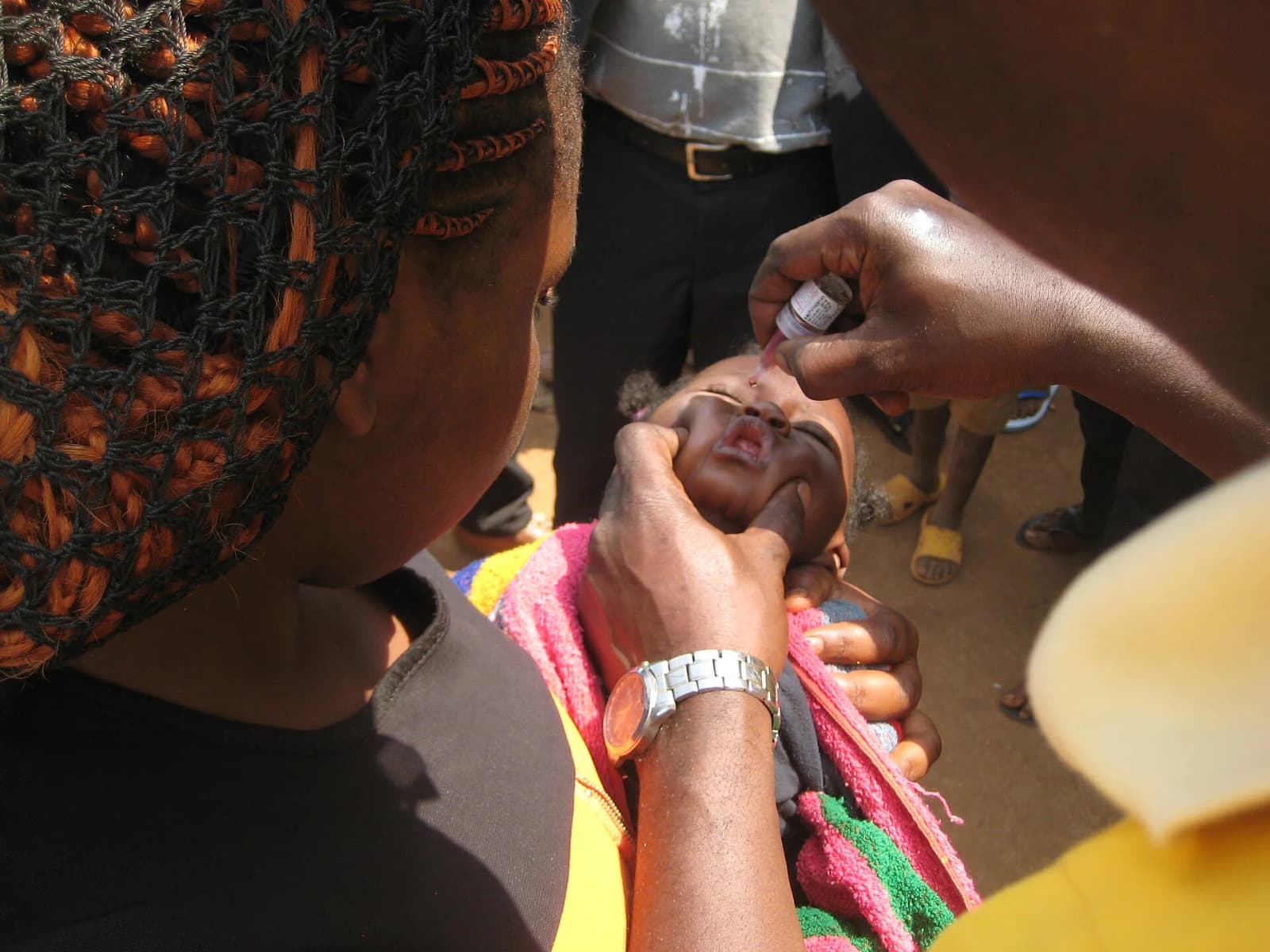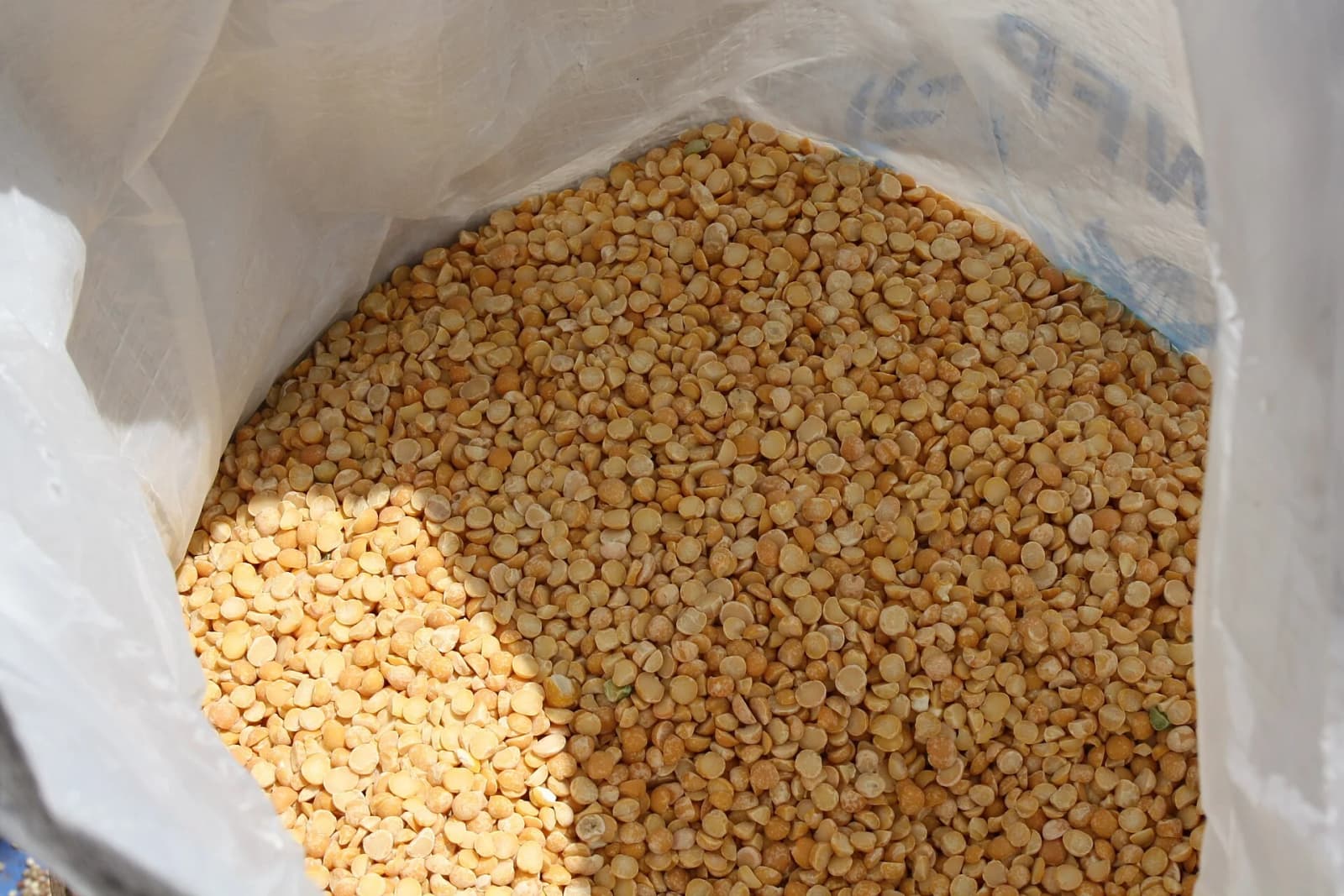
The United Nations World Food Programme (WFP) said on 20 November 2026 that it plans to assist 91 million people in 2027 at a cost of just over $12 billion, warning that the world could be heading into its third major global food crisis in six years. The Rome-based agency set out the figures in its Global Outlook for 2027.
The planned caseload is smaller than this year's. WFP had planned to reach 103 million people in 2026, and the new appeal of $12.15 billion covers only part of the people the agency says are in acute need.
How many people are going hungry?
As many as 266 million people faced acute hunger in 2025, including an estimated 39 million at emergency levels or worse, WFP said, citing the Global Report on Food Crises. The agency said the 91 million people it intends to support "does not represent the full scale of global hunger".
WFP named conflict as the main driver. About 70 per cent of people facing acute food insecurity live in fragile or conflict-affected countries, it said, and famine risks remain a major concern in parts of Sudan, Somalia and South Sudan. Tensions along trade routes through the Strait of Hormuz, the Red Sea and the Black Sea are pushing up costs, while El Niño is disrupting farming, transport and supply chains.
Where will the money go?
According to a WFP explainer on the outlook, close to 72 per cent of the 2027 requirement is for emergency response and the rest for resilience-building, including about 4 per cent for tackling the root causes of hunger.
- Eastern and Southern Africa is the largest region at $4.6 billion, about 38 per cent of requirements
- The Middle East, Northern Africa and Eastern Europe region follows at $3.2 billion
- In Sudan, an official analysis found nearly 19.5 million people facing crisis-level hunger or worse between February and May 2026
What is WFP changing?
With funding tight, WFP said it will focus on efficiency to stretch its reach. That includes scaling up anticipatory action, such as insurance and pre-arranged finance that let communities prepare before climate shocks hit, wider use of local partners and more market-based assistance.
WFP said such early-action tools gave financial protection to 5.7 million people in 40 countries in 2026, and that every dollar invested can yield up to $7 in avoided losses and other benefits, though returns vary. A proposed Food Security Catastrophe Bond could unlock $75 million to $100 million for drought response in Mali, Mozambique and Somalia.
The agency also pointed to governments taking over programmes. Rwanda's spending on school meals rose from $25 million in 2021 to more than $91 million in 2025, it said, and Pakistan's contributions to WFP-supported programmes have exceeded $870 million over five years.
What did WFP's chief say?
"For the world's most vulnerable people, acute hunger is becoming harder to escape," WFP Executive Director Luke J. Lindberg said. "We can protect the most vulnerable, but it will require sustained political commitment, investment and collective action." He urged others to act to ensure "no more famines, no more weaponization of food, and no more attacks on humanitarians".
Why it matters
WFP is funded entirely by voluntary contributions, so the outlook is effectively an appeal to donor governments ahead of the new year. The release follows the Food and Agriculture Organization's Race to 2030 report on hunger, which MapMyTimes reported on 19 November. How much of the $12.15 billion is actually funded will decide how many of the 91 million people WFP can reach.
Photo source · UK Department for International Development, CC BY 2.0