Syria's Ministry of Health is preparing to vaccinate more than 371,000 children under the age of five against polio across the eastern province of Deir Ezzor, after three children were confirmed with a vaccine-derived strain of the virus, officials said on 20 November 2026. The province-wide campaign is provisionally set to begin on 30 November, according to the state news agency SANA.
Yasser Farrouh, director of the ministry's department for communicable and non-communicable diseases, gave the target figure and start date. Officials rated the risk of a wider outbreak as high and said an earlier start was under consideration.
What has been confirmed so far?
Three cases of circulating vaccine-derived poliovirus type 1 (cVDPV1) have been confirmed, all in Deir Ezzor, with the most recent confirmed on 12 November, SANA reported. The confirmed infections and suspected cases are concentrated in the east of the province, particularly around Mayadin.
The first alert came on 11 October, involving a 13-month-old child in Suwaydan Jazira, according to SANA. The virus was isolated at a laboratory in Cairo on 7 November, and community transmission was confirmed on 10 November.
A joint statement by the Ministry of Health, the World Health Organization (WHO) and UNICEF dated 9 November said the first two paralysed children were aged between six and 13 months. A third case in Mayadin was announced days later by the ministry.
How big is the response?
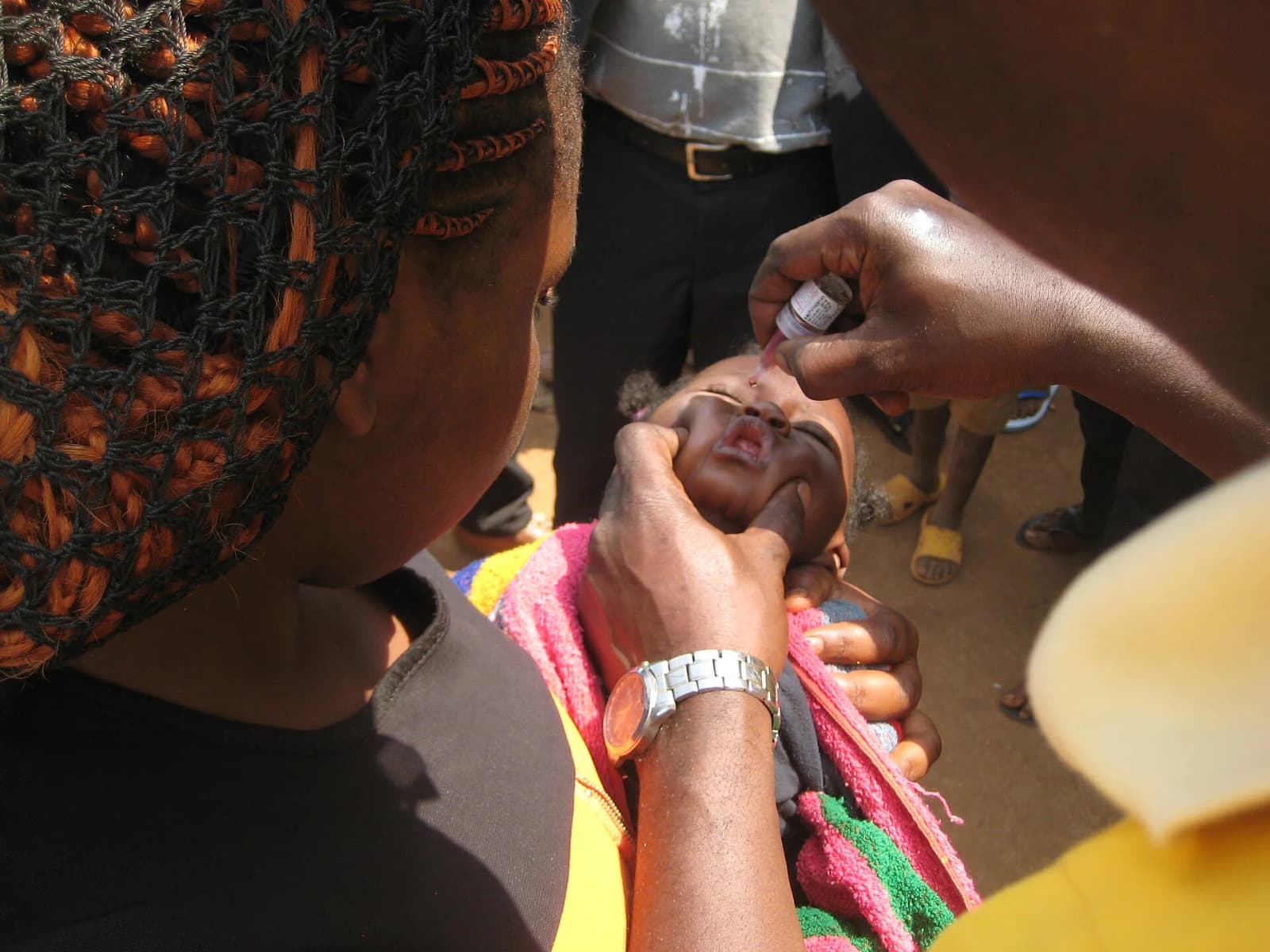
Health teams have already run two rounds of targeted vaccination. An initial campaign on 18 October reached more than 34,000 children under five in affected parts of Deir Ezzor, the joint statement said. An emergency round in the Mayadin area from 15 to 17 November vaccinated more than 54,000 children against a target of 49,000, according to SANA.
- Target for the province-wide drive: more than 371,000 children under five
- Provisional start: 30 November, with a supplementary round planned for late December
- Officials are weighing whether to widen later rounds to between six and 14 provinces
- The ministry aims to reach at least 80 per cent of Deir Ezzor families with information before the campaign begins
Surveillance data also point to the scale of the task. From the start of 2026 to 15 November, Deir Ezzor recorded 63 suspected cases of acute flaccid paralysis, the sudden limb weakness that health workers watch for, including 23 in Mayadin, SANA said. Syria as a whole reported 366 suspected cases in the same period.
Why does this matter?
Vaccine-derived polio emerges where too few children are immunised, allowing the weakened virus used in oral vaccines to circulate and regain the ability to cause paralysis. UNICEF has said disruption to health services and routine immunisation in Syria has left protection gaps in some communities, and the joint statement said the response is aimed at children who missed their doses.
The number of primary health care centres in Deir Ezzor has been raised from 40 to 87, with a plan to reach 124, the ministry, WHO and UNICEF said. Syria has faced polio before: SANA noted around 36 wild poliovirus type 1 cases in 2013 and 74 cases of vaccine-derived type 2 in 2017.
"Polio can be stopped, but we must close immunity gaps and reach every child," Dr Caroline Clarinval, the WHO Representative in Syria, said in the joint statement.
What should families do?
Health authorities have urged parents to check their children's vaccination records, take them for any missed doses, and bring them to the upcoming campaign even if they have been vaccinated before. Any child who suddenly becomes weak in an arm or leg, or cannot walk, should be taken for medical care immediately.
The final dates for the province-wide campaign, and any decision to extend it to other provinces, have not yet been announced.
Photo source · CDC Global/Louie Rosencrans, CC BY 2.0