Education Cannot Wait (ECW), the global fund for education in emergencies within the United Nations, announced US$52 million in Geneva on 20 November 2026, World Children's Day, to keep more than 300,000 crisis-affected children learning in Lebanon, Myanmar and South Sudan. ECW Director Maysa Jalbout presented the grants at the UN Geneva press briefing the same day.
How is the US$52 million being split?
South Sudan receives the largest share, US$23 million, followed by Myanmar with US$16 million and Lebanon with US$13 million, according to the ECW press release.
- South Sudan (US$23 million): more than 100,000 children, with Save the Children International and the Universal Network for Knowledge and Empowerment Agency (UNKEA) as partners; 59 per cent of the money goes to local organisations.
- Myanmar (US$16 million): nearly 150,000 children and adolescents, half of whom are out of school and more than a third displaced from their homes; 74 per cent is managed or received by local organisations.
- Lebanon (US$13 million): about 59,000 children through Ana Aqra Association and the International Rescue Committee, funding catch-up classes, early childhood education, safer classrooms and psychosocial support; 74 per cent is managed by local organisations.
ECW said at least half of the children reached in each country are girls and about one in ten is a child with a disability. Women-led organisations and organisations of persons with disabilities are among the groups managing or receiving funds.
Why these three countries?
Each faces a crisis that is pushing children out of classrooms, according to ECW. In Lebanon, more than 1.1 million people, including over 390,000 children, have been displaced since conflict escalated in March 2026. ECW described South Sudan as the country most at risk of a humanitarian crisis, with about 2.8 million children out of school amid floods, conflict and new arrivals from neighbouring Sudan. In Myanmar, the fund highlighted high rates of displacement and of children missing school.
ECW put the global figure at 258 million children whose education is disrupted by crises. The announcement comes days after Save the Children reported that a record 589 million children lived in conflict zones in 2025.
What is different about these grants?
The programmes are among the first under ECW's new Crisis-Oriented Resilience and Emergency (CORE) approach, which combines immediate emergency support with longer-term help. Part of the funding is planned in advance, and "crisis modifiers" worth more than US$5 million can be released quickly, without a new proposal, when agreed warning signs appear.
"Too often, help arrives only after the classrooms have emptied," Jalbout said in the release. At the Geneva briefing she also urged governments to uphold the Safe Schools Declaration and noted that ECW has invested US$27 million in Ukraine, where UNICEF has warned of record child casualties this year.
What happens next?
ECW is still raising money for its 2027–2030 plan. Its High-Level Replenishment Conference in Geneva, hosted by Switzerland, helped it reach 90 per cent of a US$600 million goal, leaving a gap of US$58.4 million, the fund said. An earlier ECW release on 5 November 2026 reported US$405.8 million in new pledges. The press release did not give the duration of the three new programmes.
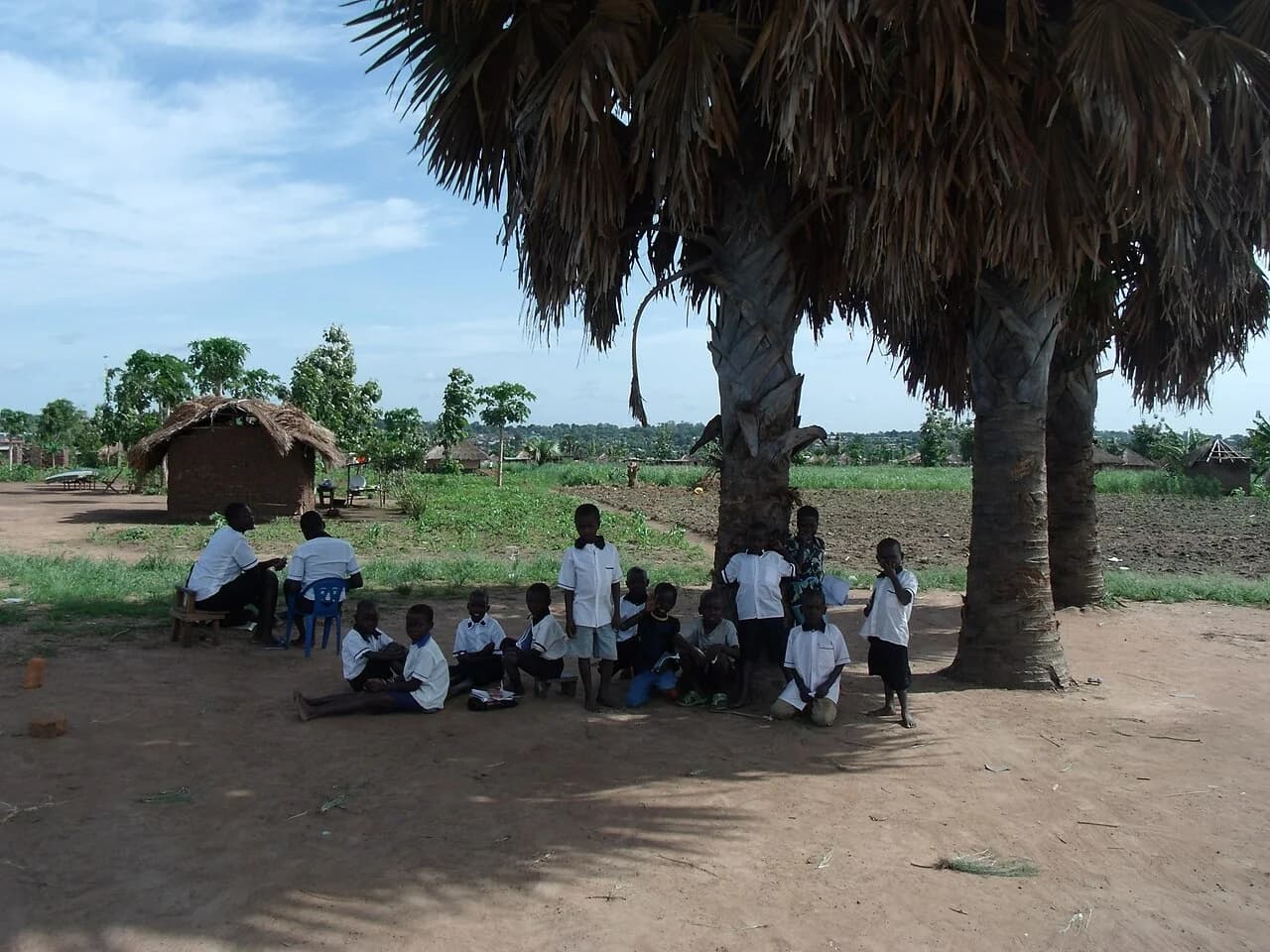
Photo source · SuSanA Secretariat, CC BY 2.0