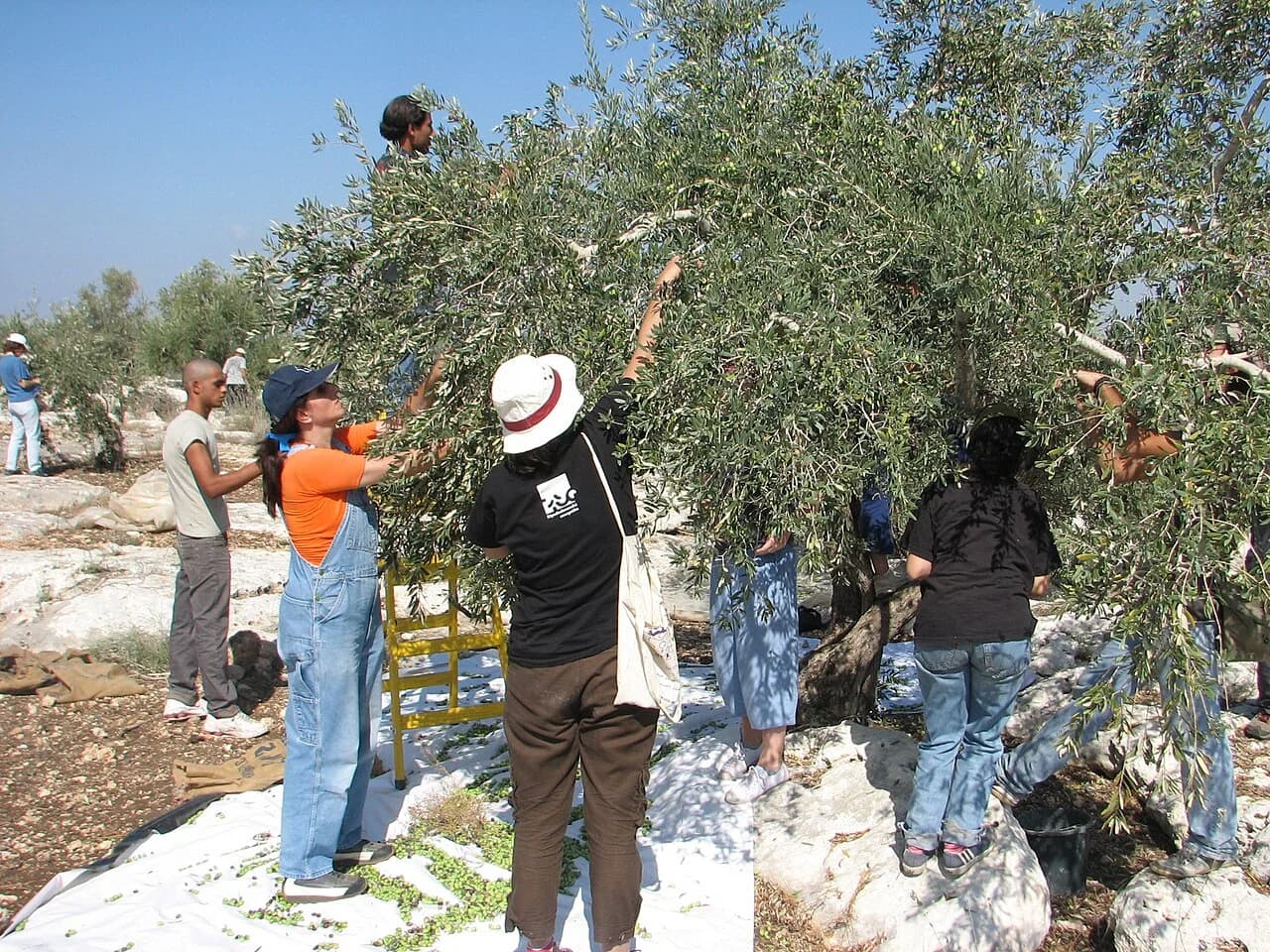
The Humanitarian Country Team for the Occupied Palestinian Territory, a forum of heads of United Nations entities and international and Palestinian non-governmental organisations, said on 20 November 2026 that Israeli settlers have carried out more than 400 attacks linked to this year's olive harvest in the occupied West Bank, the highest number recorded in any harvest season. In a statement published by the UN Office for the Coordination of Humanitarian Affairs (OCHA), the group urged Israeli authorities to protect Palestinian farmers and let them reach their groves.
What did the UN-led humanitarian group report?
The group reported that since September 2026 settler attacks connected to the harvest have caused casualties or property damage on more than 400 occasions. According to the statement, more than 4,000 trees and saplings were damaged in those attacks, and over 25,000 kilograms of produce were vandalised or stolen.
The statement also said that in the first nine months of 2026, Israeli authorities themselves uprooted or otherwise damaged more than 10,000 Palestinian-owned trees and saplings in the West Bank, most of them olive trees. The statement does not specify the monitoring source behind the counts.
According to UN News, the violence has spread this year into Areas A and B, which the 1995 Oslo II Accords placed under full or partial Palestinian Authority control and where farmers had previously faced fewer such attacks. Activists, journalists and diplomats have also been targeted, the report said.
Why does the olive harvest matter so much?
The olive harvest is a core source of income for Palestinian families in the West Bank. The statement estimates that 80,000 to 100,000 families depend on olives and olive oil, and that the sector accounts for about 15 per cent of agricultural gross domestic product.
The group said that access restrictions are also hurting future yields. Landowners whose groves lie near settlements or behind the West Bank Barrier need Israeli authorisation to reach them, and the scheduled access windows are often cancelled, refused, shortened, or followed by expulsions or attacks, according to the statement. Restrictions, it added, extend beyond the areas shown on the Israeli-issued "coordination" map, and limits through the year stop farmers from pruning, fertilising and controlling pests.
What is the UN asking Israel to do?
The Humanitarian Country Team called on Israeli authorities to end all attacks on Palestinians and their livelihoods, as it said international law requires, and to guarantee free, safe, sufficient and reliable access to land, including for supplies, equipment and the transport of harvested crops. It said earlier appeals had gone unanswered: "Instead, we've seen acquiescence, support and participation."
The group also asked UN Member States to use their influence to ensure these measures are implemented promptly and throughout the year. "Perpetrators must be stopped and held to account," the statement said, adding that although the harvest window is closing, "there is still some time to act."
What happens next?
No response from the Israeli government to the statement had been reported in the sources reviewed by MapMyTimes at the time of writing. The appeal comes as UN agencies are also raising alarm about Gaza, where Israeli troops recently crossed the Yellow Line near Nuseirat in the first announced incursion since the ceasefire. The group has said this year's harvesting window is closing, and that pruning and other year-round work also depend on access to land.
Photo source · Orrling, CC BY-SA 3.0