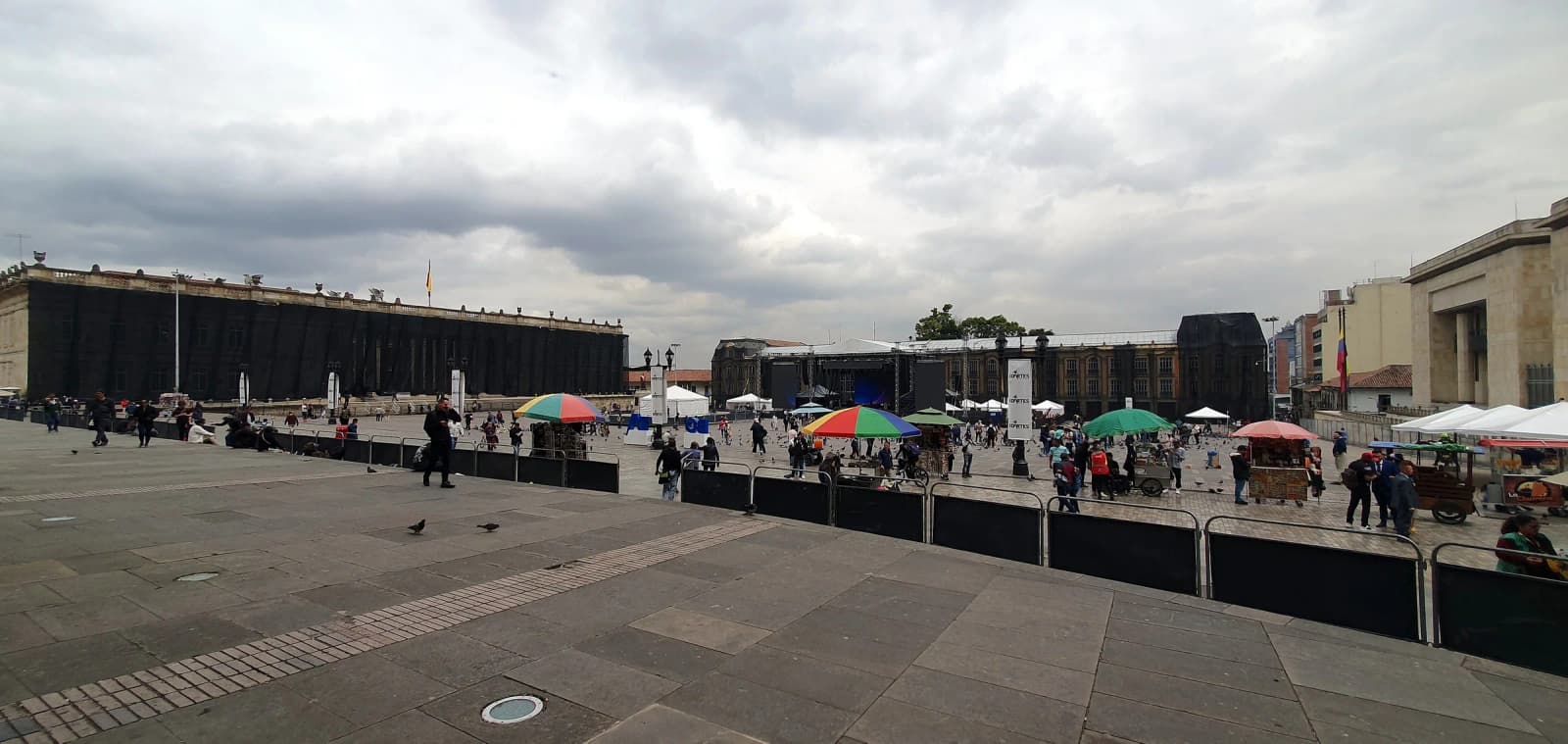
Thousands of people marched in Bogotá, Medellín, Cali, Ibagué and other Colombian cities on Thursday, 19 November 2026, in a national strike against President Abelardo de la Espriella's proposed Economic Rescue Law. It was the second nationwide protest against his government in just over a month. The government said about 55,000 people took part in 285 separate activities, that 97% of them passed off peacefully, and that police made four arrests.
Who called the strike, and why?
Labour unions called the strike to oppose the government's tax and spending bill. The Central Unitaria de Trabajadores (CUT), Colombia's largest union confederation, was joined by the teachers' union Fecode, students, social movements and opposition parties, Infobae reported. Former president Gustavo Petro backed the marches.
The bill, which runs to 106 articles, was filed in the House of Representatives on 29 October by Vice President José Manuel Restrepo and Finance Minister Miguel Gómez, according to the business daily Portafolio. It proposes spending cuts of about 45 trillion pesos, equal to 2.2% of gross domestic product, and would lower the general corporate income tax rate from 35% to 33% in 2027 and to 31% from 2028. It would also raise health contributions paid by workers from January 2027 and give the president six months of special powers to merge or abolish ministries.
According to Al Jazeera, the plan would bring earners of about $985 a month into the income tax net, down from a threshold of roughly $1,419. The government says Colombia faces a fiscal crisis and projects a deficit of 9.4% of GDP next year. After criticism, De la Espriella dropped a proposal to tax basic food products.
How did the day unfold?
Most marches were peaceful, but some ended in clashes. In Bogotá, hooded protesters fought police near the Universidad Nacional through the afternoon, and the TransMilenio bus network restored its Calle 26 line only late at night. Riot police used tear gas and water cannon at some marches, Al Jazeera reported.
In Popayán, hooded people threw homemade explosives outside the education faculty of the Universidad del Cauca, and a nearby kindergarten was evacuated. In Medellín, Mayor Federico Gutiérrez put turnout at about 1,500. After the marches ended, a group blocked a road near the Universidad de Antioquia and, according to authorities, threw explosive devices at police, who then entered the area on the mayor's orders. Ibagué saw about 2,000 marchers.
What did the government say?
De la Espriella compared the day with the previous national protest on 14 October. He said turnout fell from about 62,000 then to about 55,000. He also said there were four arrests this time, against six in October, and that security forces stepped in 12 times, Colombia.com reported. He said no road stayed blocked for more than 30 minutes, and credited Decree 1525, his government's rule on policing protests. He has said protests are allowed if they are peaceful, but has warned against road blockades and what he called "urban terrorism".
Senate President Honorio Henríquez said protest was a right but vandalism had no justification, and he asked for those responsible to be identified and prosecuted.
"A large part of Colombia feels vulnerable. The rich are the ones who are getting more money," Leidy Gutierrez, a 21-year-old student, told Al Jazeera.
Is there a row over US troops?
Yes. The protests came amid a dispute over US military cooperation. The New York Times reported on Wednesday, citing US officials, that Bogotá had turned down a proposal for joint US-Colombian operations against drug-trafficking groups on Colombian soil. According to that report, the refusal led US Defense Secretary Pete Hegseth to cut short his visit, a trip that came after he signed a military cooperation deal in Caracas. Both De la Espriella and Hegseth rejected the report. The president said any deployment of US troops would need approval from Congress.
What happens next?
The bill still has to pass Congress, where it can be amended. Senator Iván Cepeda said social groups were preparing a general strike against the tax reform, and he called for "democratic dialogue" with the social movement.
Photo source · José Luiz, CC BY-SA 4.0