Nearly 357,000 people have been forced from their homes in Yemen since 1 August 2026 as fighting between government forces and the Houthi movement intensifies, the International Organization for Migration (IOM) said in figures reported on 19 November 2026. The UN agency counted 356,602 displaced people up to 17 November, with Taiz, Lahj and Aden governorates taking in the largest numbers.
Where have people gone?
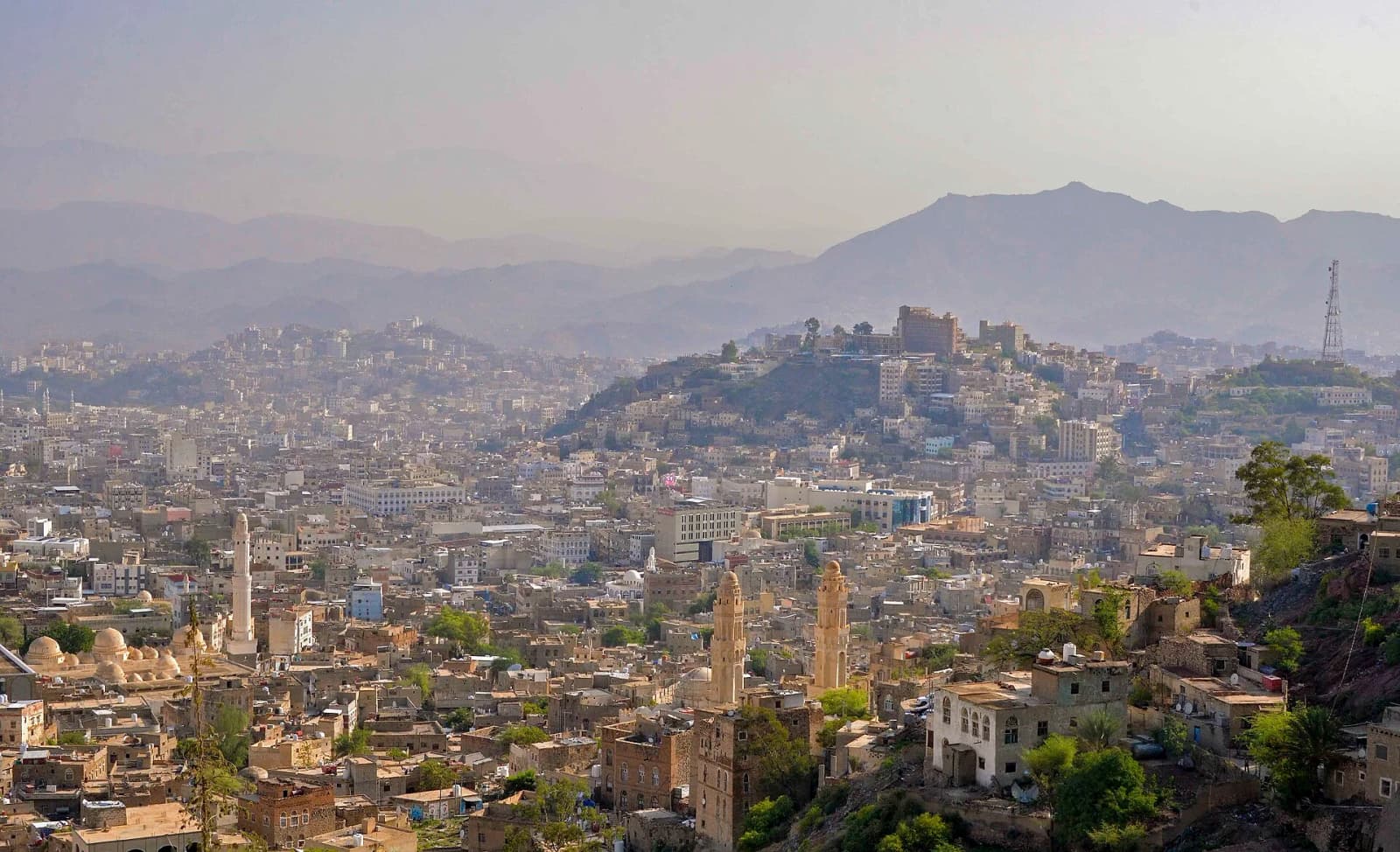
Most displaced families have moved to Taiz, Lahj and Aden, according to IOM figures reported by the Anadolu news agency. Taiz received 145,344 people, Lahj 95,580 and Aden 71,706. IOM also recorded displacement in Abyan, Al-Dhale, Shabwa, Hodeidah, Marib, Hadhramaut and Al-Mahra.
In an IOM statement on 13 November, when the total had passed 340,000, the agency said almost all those displaced came from three governorates: Taiz (224,819 people, 66%), Lahj (72,018, 21%) and Al Hodeidah (40,782, 12%). Many have moved within their own governorates, adding pressure on host communities.
Why is the fighting spreading?
The government launched a military operation called "Dawn of Yemen" on 5 October 2026. Rashad al-Alimi, chairman of the Presidential Leadership Council, has said it aims to take back state institutions from the Houthis and recapture Sanaa. According to Anadolu, the escalation that began in July is the most extensive since a truce in April 2022. UN News reported on 19 November that the frontline is advancing towards government-held Aden.
The conflict has also reached Saudi Arabia: on 19 November a Saudi-led coalition said it intercepted Houthi missiles aimed at Riyadh.
What help is reaching the displaced?
Aid is reaching only part of those in need, and agencies say funding cuts are making it harder. Since 1 August, IOM says it has reached 21,384 families with emergency shelter, household items, water, sanitation and hygiene supplies and cash, given protection assistance to 8,242 vulnerable people and delivered 70,535 primary healthcare consultations. It said hostilities and restrictions on key transport routes were delaying supplies.
"Every day that assistance is delayed puts more families at risk," said Abdusattor Esoev, IOM's Chief of Mission in Yemen.
The UN Office for the Coordination of Humanitarian Affairs (OCHA) has warned that funding cuts have disrupted food support for more than four million people and forced reductions in nutrition, maternal care, protection and shelter support, UN News said.
Health risks
Measles and rubella vaccination campaigns have reached more than nine in ten children, but 73,000 children were not vaccinated, according to UN News. Cholera infections are falling in the five worst-affected governorates, but a complex outbreak is growing in Tarim in the east, where a diarrhoea treatment centre is being set up.
Why it matters
Yemen already depends heavily on outside aid, and the new wave of displacement is landing on areas such as Aden and Lahj that are themselves close to the fighting. With access routes restricted and budgets shrinking, agencies say more people could be pushed into repeated displacement.
What's next
IOM has called for more funding and sustained humanitarian access to stop conditions from getting worse. Its displacement tracking figures are updated regularly and may rise if fighting moves closer to Aden.
Photo source · Rod Waddington, CC BY-SA 2.0