BepiColombo, the joint mission of the European Space Agency (ESA) and the Japan Aerospace Exploration Agency (JAXA), is scheduled to enter orbit around Mercury on 21 November 2026, after a journey of about eight years from Earth. ESA confirmed the date in its mission arrival timeline, while noting that the dates in the plan can still change for operational reasons.
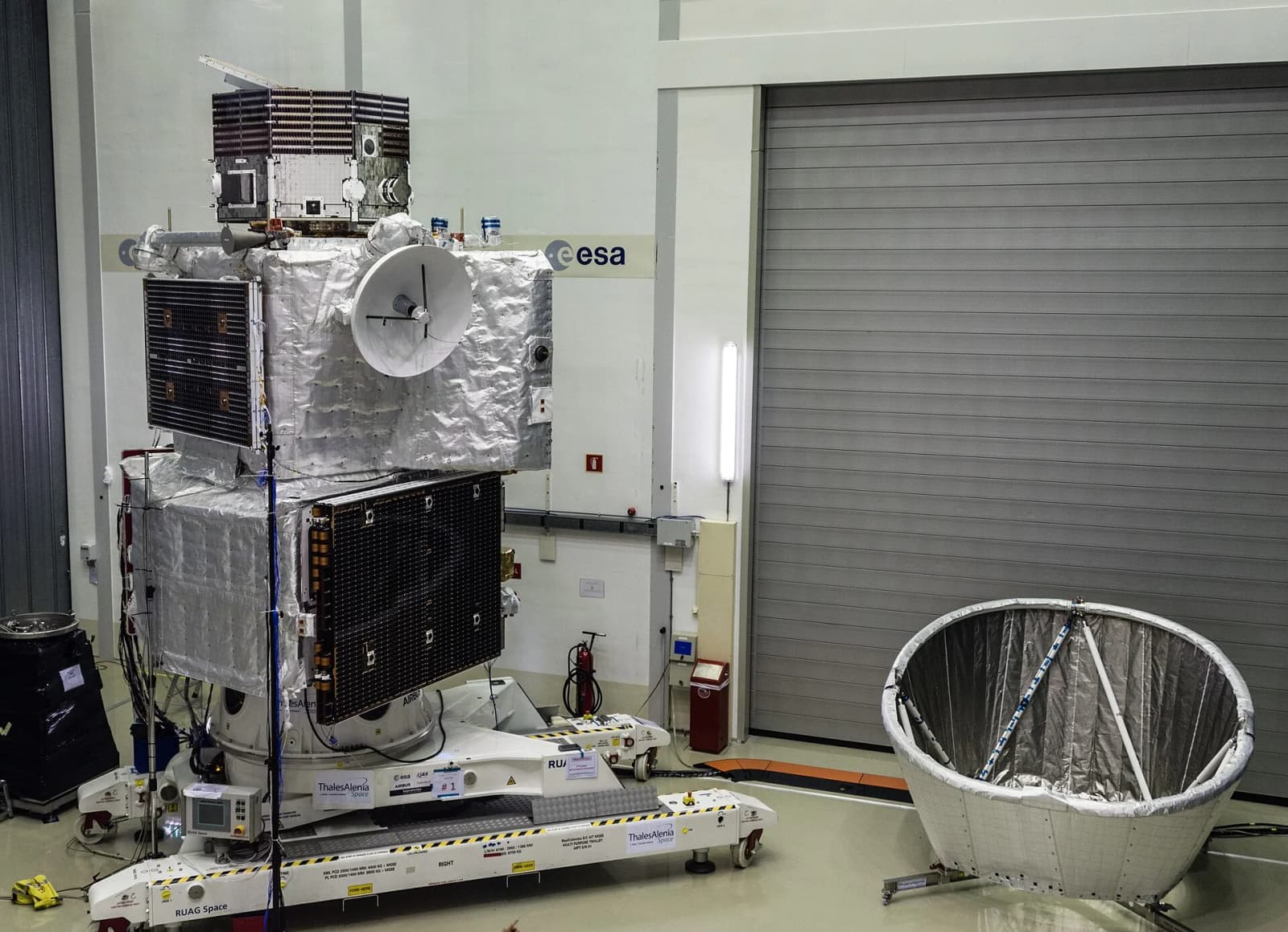
If the manoeuvre succeeds, BepiColombo will become the first mission to orbit the innermost planet with two spacecraft at the same time: ESA's Mercury Planetary Orbiter (MPO) and JAXA's Mercury Magnetospheric Orbiter, called Mio.
What happens on 21 November?
On that day the spacecraft, still travelling as a stack, is due to be captured by Mercury's gravity in the orbit insertion manoeuvre. The electric-propulsion Mercury Transfer Module that carried the stack across the inner Solar System was already jettisoned on 3 September 2026, so the arrival relies on the orbiter's own chemical thrusters. On 24 September, MPO fired its axial thrusters for 8 minutes 42 seconds, giving an 11.4 metres-per-second push in the first planned trajectory correction after separation, ESA said.
US-based outlet Tech Times has described the insertion burn as having one attempt and no real-time fix; it reported that if the thrusters do not perform as programmed, the spacecraft would continue past Mercury. ESA's mission control finished its final arrival simulation on 29 October, after a rehearsal campaign that began in June and included unexpected problems, according to the agency.
Why did the arrival take so long?
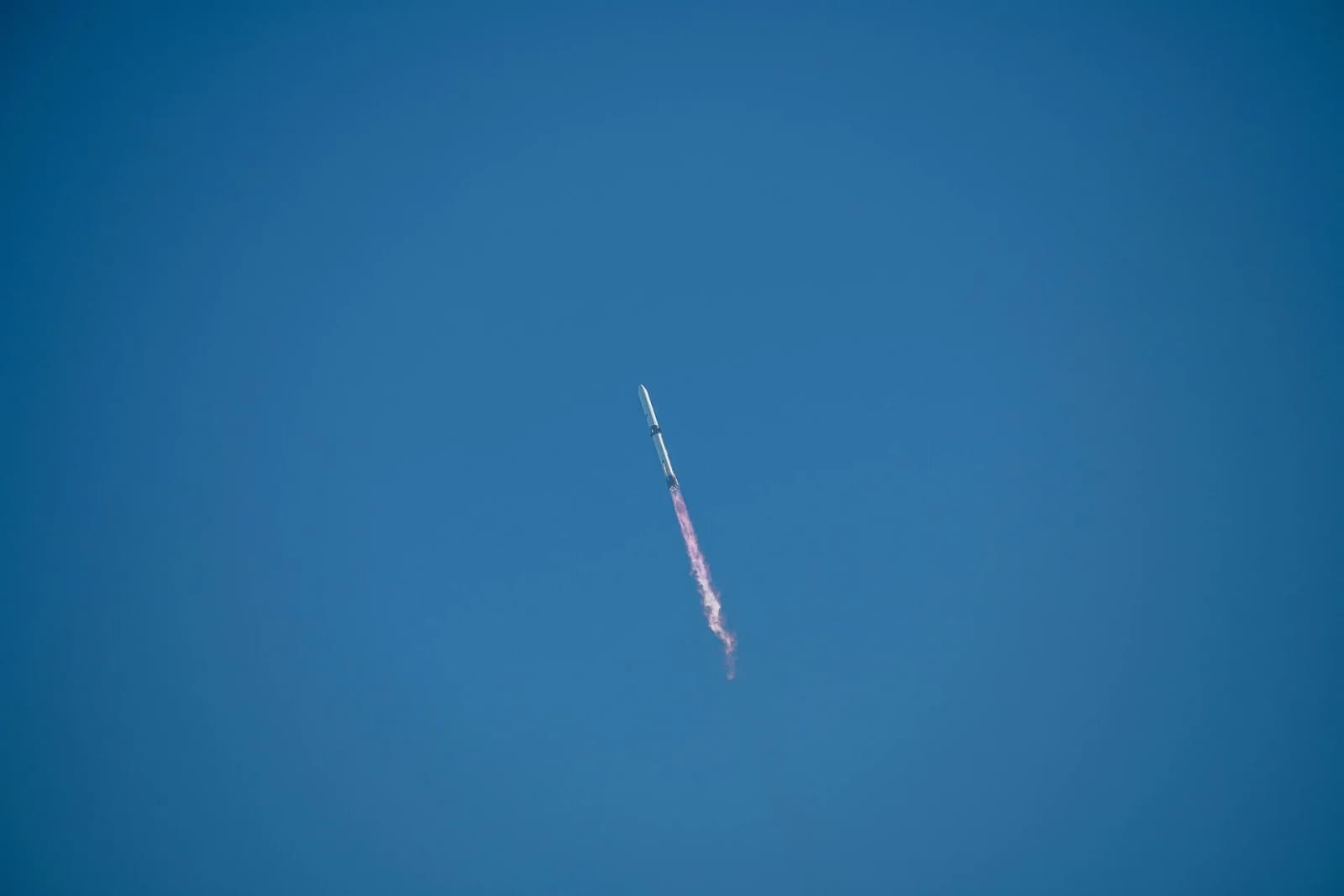
BepiColombo was launched on 20 October 2018 on an Ariane 5 rocket from the Guiana Space Centre in Kourou, French Guiana. Because reaching Mercury requires shedding enormous speed, it used nine gravity-assist flybys: one of Earth, two of Venus and six of Mercury. A power-related problem detected in 2024 limited the thrust of its solar electric propulsion system, which pushed the arrival back to November 2026.
What comes after orbit insertion?
ESA's timeline sets out the next steps: MPO and Mio are to separate on 9-10 December 2026, and a further separation step, of the element ESA calls MOSIF, is scheduled for 16 December. The science phase is scheduled to begin in April 2027. The two orbiters will fly in different polar orbits; MPO is planned to come as close as about 480 km to the surface, while Mio will swing out to about 11,640 km to study the planet's magnetic environment.
The instruments appear ready. On 15 September all MPO instruments were switched on for the first time since the transfer module separated, and early checks showed them in good health, ESA said. The BELA laser altimeter fired more than 700,000 pulses over 21.5 hours, and the SIMBIO-SYS camera system took its first image in space.
Why does Mercury matter?
The mission aims to study how a planet so close to its star formed and evolved, including Mercury's interior, surface, thin exosphere and the origin of its magnetic field. Scientists also plan to use precise tracking of the spacecraft to test Albert Einstein's general theory of relativity. The cost of the spacecraft was estimated in 2017 at €1.65 billion.
ESA's other planetary mission in the news this week, Hera, has been imaging the asteroid Didymos ahead of close-ups of the DART impact site.
Photo source · European Space Agency, CC BY-SA 3.0 IGO