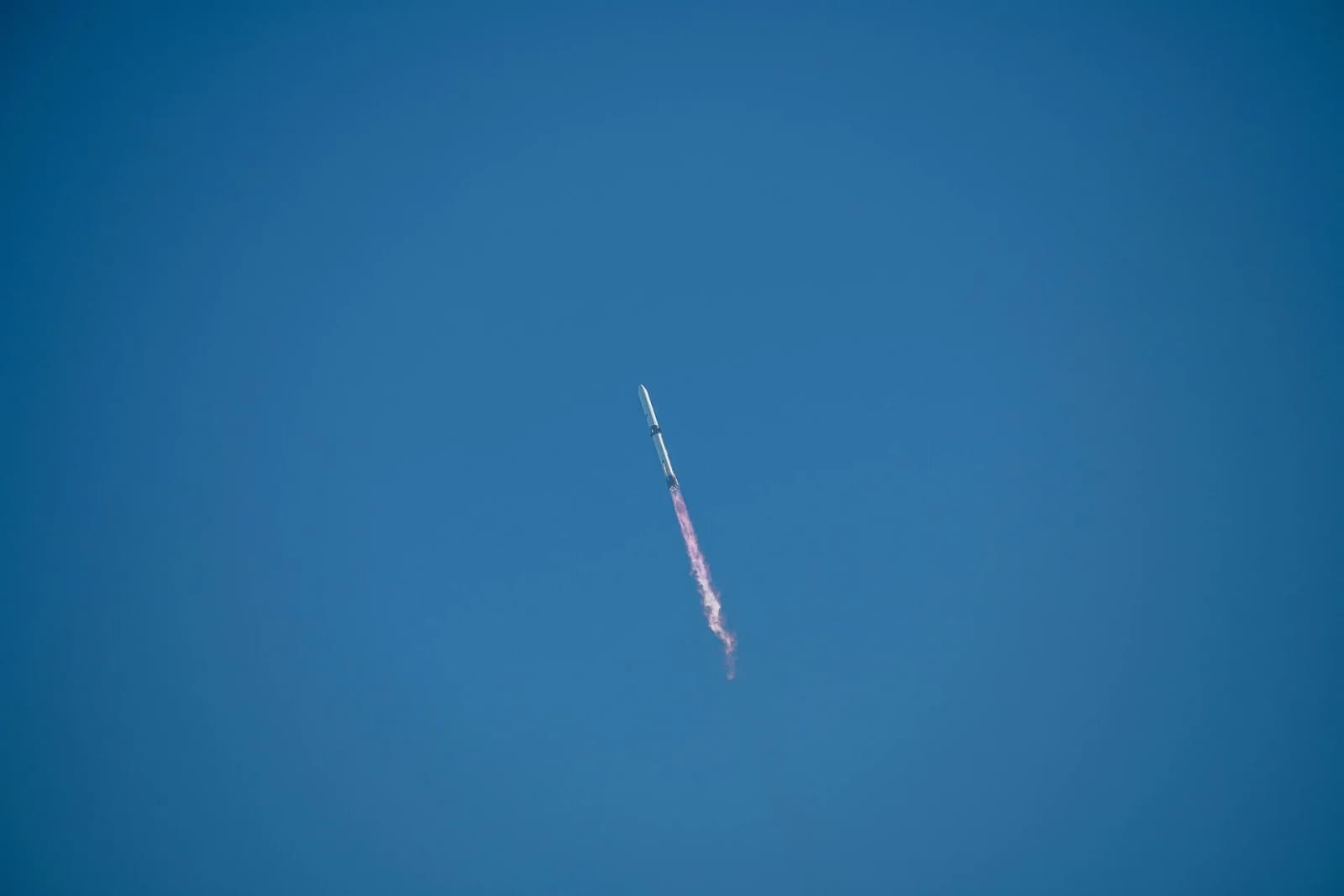
Google has booked Blue Origin's New Glenn heavy-lift rocket to launch a batch of its experimental AI satellites, targeting the first quarter of 2029, the company announced on 19 November 2026. The launch, from Cape Canaveral in Florida, would be the first dedicated heavy-lift mission for Project Suncatcher, Google's effort to put AI computing hardware in orbit and power it with sunlight.
What did Google announce?
Google said it is partnering with Blue Origin on its first heavy-lift Suncatcher launch, in a blog post by Travis Beals, Senior Director, Paradigms of Intelligence. The satellites will go into a sun-synchronous orbit, and Google says each one has roughly the computing capacity of a data centre rack. It describes Suncatcher as a long-term moonshot to scale AI infrastructure in space using abundant solar power, and said the dedicated launch builds on its ongoing work with other satellite and launch partners.
Google has not said how many satellites will fly, and neither company has disclosed the value of the deal, according to TNW.
Why put AI computers in space?
The pitch is power. In a sun-synchronous dawn-dusk orbit, satellites stay in sunlight almost all the time, which reduces the periods when they pass into Earth's shadow, SatNews reported. Google says solar panels in orbit can produce up to eight times more power than those on the ground, according to TNW, which noted the appeal as AI data centres strain power grids on Earth. The question of AI's heavy spending on computing has been in focus this week, as Wall Street saw a sharp sell-off in AI-linked stocks on 19 November.
Each spacecraft carries Google's custom Tensor Processing Units (TPUs), the company's in-house AI chips, along with thermal management systems and optical links between satellites, according to SatNews.
How far has the project got?
A first Suncatcher prototype, built by Planet, reached orbit in October, ran Google's Gemma 4 model in space and sent back a haiku, TNW reported. Google is testing how its chips cope with heat and radiation, and plans to link two satellites in 2027 before the larger New Glenn launch, according to the same report.
Engineering problems remain. Chips in space cannot be cooled by air, and the satellites must hold a tight formation to talk to each other by laser, TNW noted.
Is the rocket ready?
Not yet. New Glenn has been grounded since it exploded during a test in May, and its return to flight has slipped to January, TNW reported. SatNews said Blue Origin, based in Kent, Washington, is rebuilding Launch Complex 36 at Cape Canaveral after a May static-fire anomaly and is preparing New Glenn for return to flight. The Google mission depends on that return and on Google completing its prototype tests, SatNews added.
What happens next?
The next steps listed by SatNews include defining payload interfaces, environmental qualification testing and integrating the spacecraft with the rocket. Before that, the 2027 two-satellite test will show whether linked TPU satellites can work together in orbit. Google is not alone in the field: TNW noted that Starcloud raised $170 million in March 2026 to build orbital data centres.