The World Health Organization (WHO) has published two new guidelines on type 1 diabetes, one for adults and one for children and adolescents, in the days leading up to World Diabetes Day, which is observed on 14 November. This year's theme, "Early action on diabetes", puts the focus on earlier diagnosis, access to comprehensive care and reducing stigma, according to WHO.
First WHO guideline for children and adolescents
The guideline released on 13 November is, in WHO's words, the first WHO guideline on the diagnosis, management and follow-up care of children and adolescents up to 19 years of age with type 1 diabetes. WHO says it was developed to tackle global inequalities in outcomes and access to care, and it concentrates on primary and secondary health care, especially in resource-limited settings.
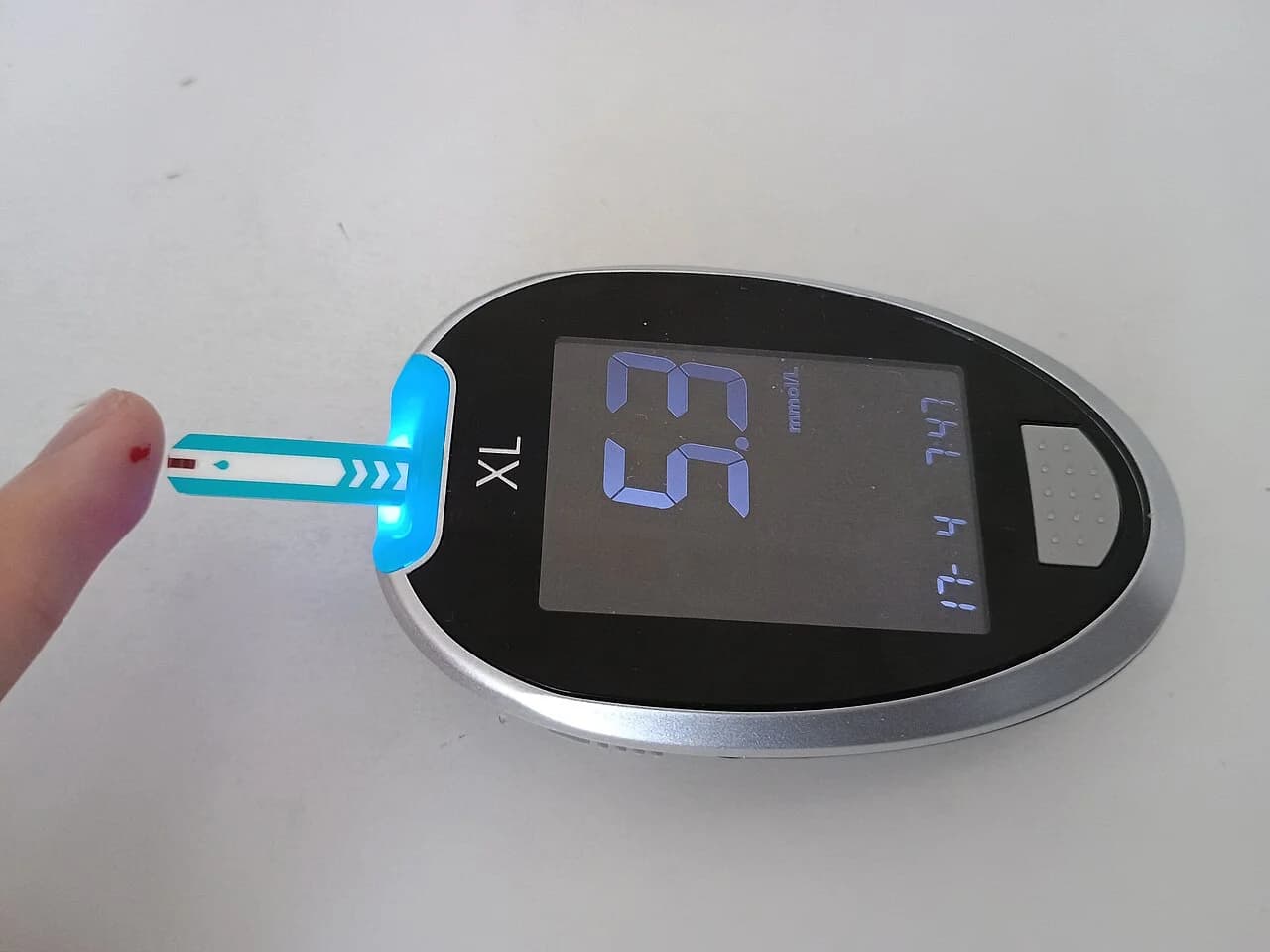
The recommendations cover initial assessment using point-of-care urine dipstick tests where blood glucose measurement is not available; types of insulin, starting doses, regimens and delivery devices; and individual targets for blood sugar control and monitoring. The guideline also deals with recognising and managing diabetic ketoacidosis, including in young children, and low blood sugar (hypoglycaemia). It recommends risk-based screening for diabetes-related eye disease (retinopathy) and kidney disease (nephropathy).
WHO said the recommendations were drawn up through systematic reviews of evidence. The guideline is part of its consolidated guidelines for managing common childhood illness and is aimed at health care providers, including non-specialists, as well as programme managers and policy-makers.
Updated insulin guidance for adults
A day earlier, on 12 November, WHO released guidelines on insulin use for adults with type 1 diabetes, including in emergency and humanitarian settings. According to WHO, the document updates and expands earlier guidance on diagnosis and classification, insulin regimens and delivery methods, and monitoring of blood glucose, including self-monitoring.
The guideline strongly recommends intensified insulin therapy using multiple daily injections, with doses adjusted according to blood glucose readings, WHO said. It also recognises that approaches need to be adapted to the context in emergencies and humanitarian crises. Both human insulin and insulin analogues may be used, with human insulin preferred because it generally costs less.
WHO said the guidance supports the global target of universal access to affordable insulin and blood glucose self-monitoring by 2030.
Why early action matters
On its World Diabetes Day 2026 campaign page, WHO says more than 40% of people living with diabetes worldwide are undiagnosed. Without a diagnosis, they may not get the care, treatment and support they need. WHO lists common symptoms as increased thirst, frequent urination, tiredness and blurred vision, and notes that type 1 diabetes often develops quickly, while type 2 usually develops gradually and may cause few or no noticeable symptoms. It also warns that type 1 diabetes is often missed or misdiagnosed, especially in adults.
The agency is urging governments to build prevention and early detection into primary health care, widen access to affordable insulin and essential medicines, and speed up work under the WHO Global Diabetes Compact.
The 2030 targets
WHO member states endorsed five global diabetes coverage targets for 2030 in 2022. They are: 80% of people with diabetes diagnosed; 80% of those diagnosed with good blood sugar control; 80% of those diagnosed with good blood pressure control; 60% of people with diabetes aged 40 or older receiving statins; and 100% of people with type 1 diabetes having access to affordable insulin and blood glucose self-monitoring.
What people can do
WHO advises the public to learn the symptoms of diabetes, seek medical advice if they appear, and challenge stigma around the condition. It has asked health workers to recognise symptoms, communicate with empathy and support care for all types of diabetes.
PS · Roy Zuo, CC BY-SA 4.0