Editors of more than 100 medical and health journals around the world have jointly published an editorial urging governments to eliminate nuclear weapons, arguing that the health community must treat the risk of nuclear war as a public health emergency. The piece, titled "Critical condition: what are we doing about nuclear war?", appeared in The BMJ on 15 November 2026, according to a release issued by BMJ Group.
The same text has been carried by other journals, including The Lancet, the Medical Journal of Australia, the East African Medical Journal, International Nursing Review and India's National Medical Journal of India, BMJ Group said.
Spending on arsenals keeps rising
The editorial points out that the nine nuclear-armed states, which it lists as China, France, India, Israel, North Korea, Pakistan, Russia, the UK and the US, spent just under $119 billion on their nuclear arsenals in 2025. The authors put that at about $3,768 every second, and at 19% more than the year before.
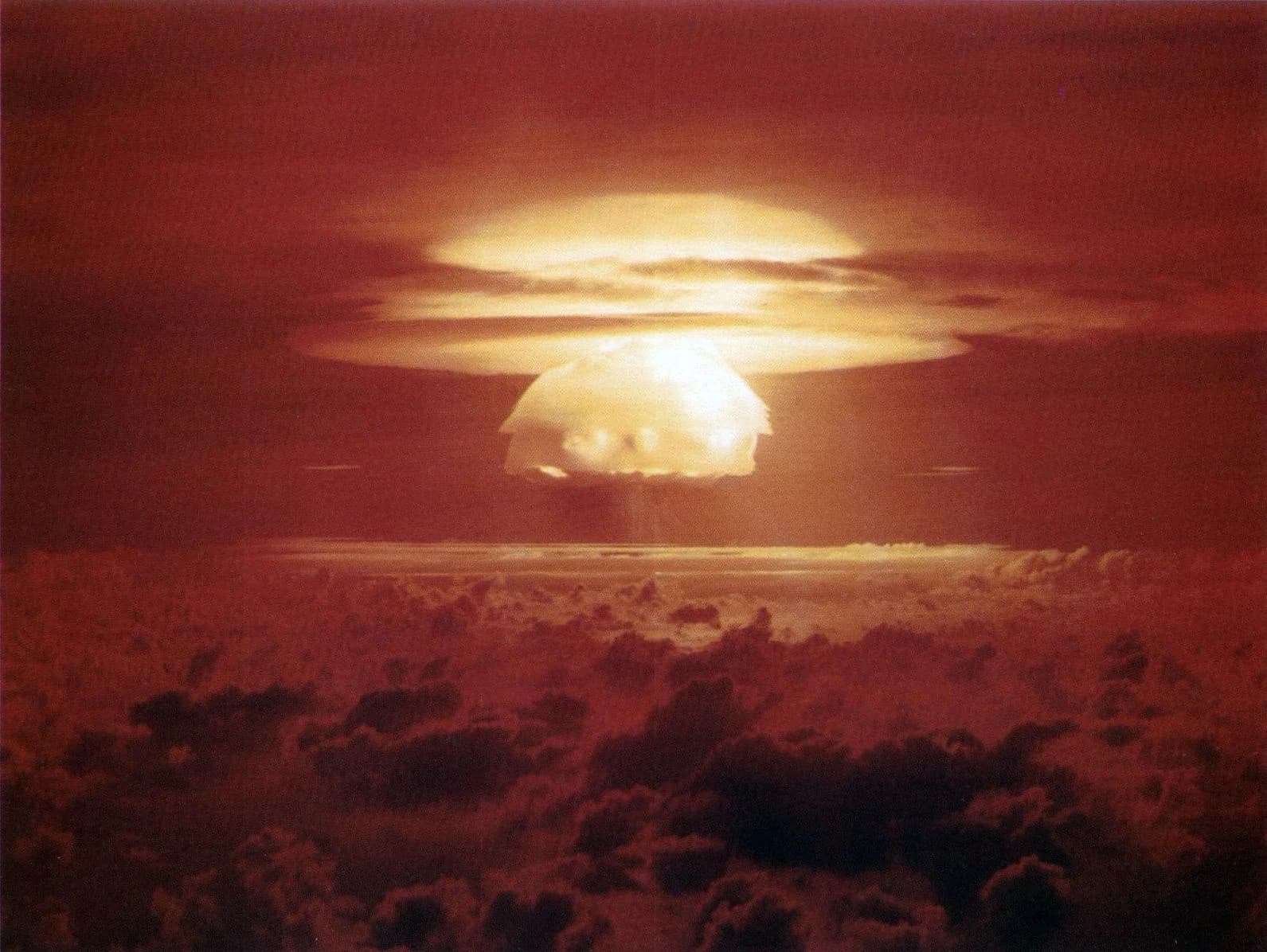
More than 12,000 nuclear warheads exist worldwide, the editorial says. It also cites models suggesting that even a so-called "small" nuclear war, using only 2–3% of existing weapons, could set off global starvation and the collapse of modern civilisation. With 30% of people now living in 33 megacities, the authors argue, the human toll of any exchange would be immense.
Deterrence called "fragile"
The editors reject the idea that deterrence keeps the world safe. Security built on deterrence, they write, "remains fragile, asymmetric, dependent on the permanent threat of catastrophe, and blind to the needs of non-nuclear states".
They add that findings from psychology and neuroscience suggest decisions about nuclear weapons are not made rationally, and that new technologies such as artificial intelligence and drones, along with misinformation and disinformation, push the danger higher still.
What the editors want
The central demand is a treaty-based path to zero. "We need a verifiable, deadline driven agreement to eliminate all nuclear weapons," the editorial says. The authors call on health professionals to keep pressing every country, nuclear-armed states included, to join the Treaty on the Prohibition of Nuclear Weapons (TPNW).
According to the editorial, 75 countries are legally bound by the TPNW and another 26 have signed it. None of the nine nuclear-armed states has signed or ratified the treaty, even as its first review conference approaches at the end of 2026.
New international reviews on the way
The editorial notes two major reassessments now under way. The UN General Assembly's comprehensive review of the consequences of nuclear war is due in 2027, and the World Health Organization is set to update its studies on the public health effects of nuclear war by 2029. These are the first big international re-examinations of the issue by these bodies in nearly 40 years, the authors say.
Why it matters for India
India is one of the nine nuclear-armed states named in the editorial, and its own National Medical Journal of India is among the publications carrying the text. That puts the call directly before Indian doctors and health researchers, whom the editors want to keep health at the centre of public debate on nuclear risk.
What next
The editors want the health sector to use the coming UN and WHO reviews, and the TPNW's first review conference, to push for disarmament. Whether any nuclear-armed state responds remains to be seen; the editorial itself notes that none has so far joined the treaty.