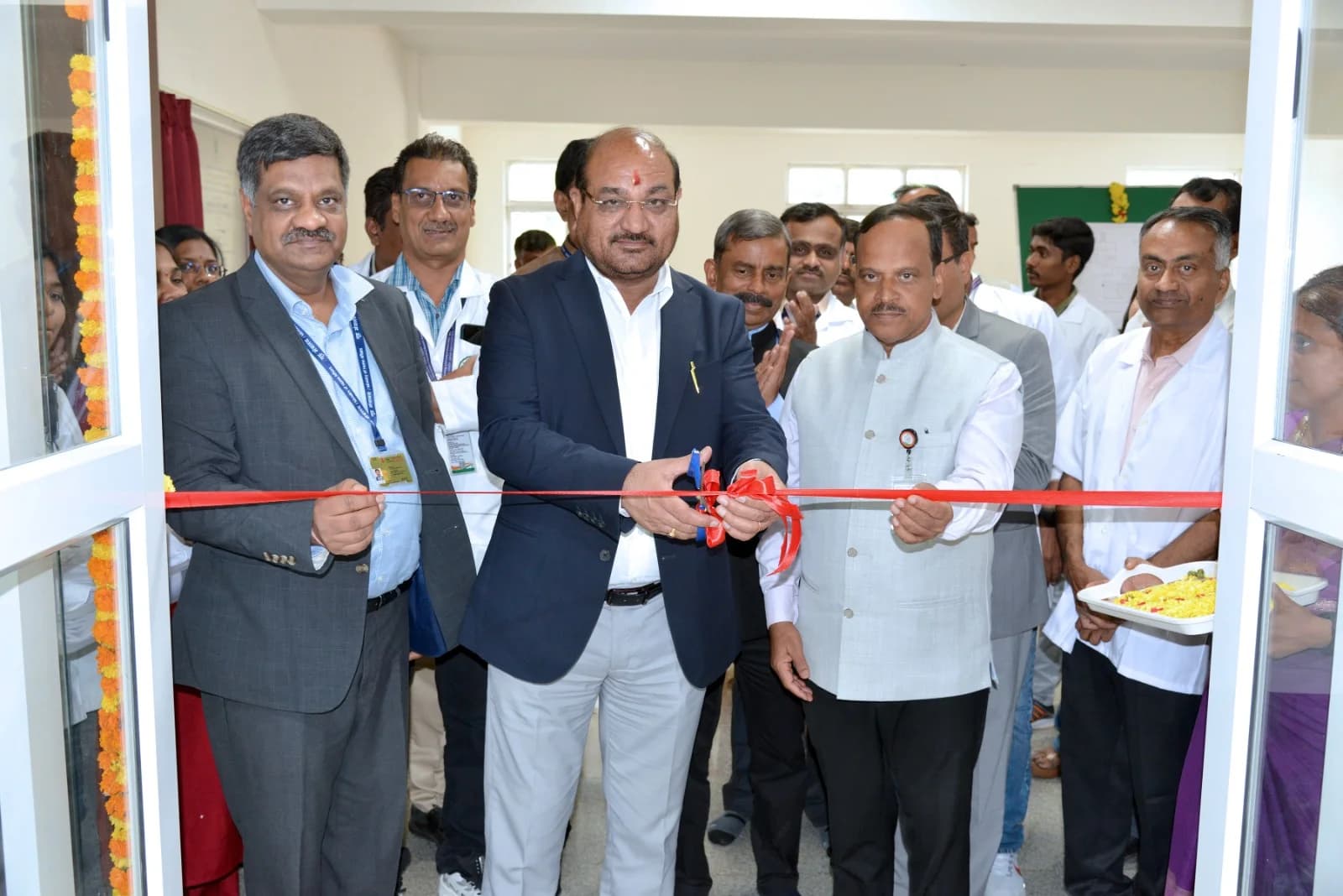
The Indian Institute of Horticultural Research (ICAR-IIHR) in Bengaluru now has a dedicated Centre of Excellence for Genome Editing in Horticultural Crops, complete with a Biosafety Level-II (BSL-II) laboratory. Dr M. L. Jat, Secretary of the Department of Agricultural Research and Education (DARE) and Director General of the Indian Council of Agricultural Research (ICAR), opened the facility on Sunday, 15 November 2026, the Ministry of Agriculture and Farmers Welfare said in a release issued through PIB Bengaluru.
During the same visit he also inaugurated a Farmers' Advanced Training Centre (ATC) at the institute.
What the new centre is for
According to the ministry, the genome-editing centre is meant to strengthen advanced biotechnology research and build genome-editing capability in fruit, vegetable and other horticultural crops. The BSL-II laboratory is part of the facility.
Speaking at the opening, Dr Jat asked scientists to prepare for the future by becoming self-reliant in the genome resources needed for editing research, the release said. He also called for clearer priorities, better targeting of research, a strong data ecosystem and a search for areas where Indian agricultural science can meet global standards and produce first-of-its-kind work.
Farmers share climate-coping methods
After opening the training centre, Dr Jat met progressive farmers, incubatees, entrepreneurs, nursery owners and natural-farming practitioners who use ICAR-IIHR varieties and technologies. The ministry said the discussion covered natural farming, new ideas in horticulture, and ways to limit the effect of El Niño and a possible "Super El Niño" on horticultural crops.
Farmers described practices they have adopted to cope with the climate, including:
- mulching and sprinkler irrigation;
- border cropping;
- intercropping with short-duration flower and vegetable crops; and
- green manuring.
The ministry said these steps had helped raise yields, improve produce quality and increase farm incomes.
Dr Jat urged educated young people, engineers and agriculture graduates to invest in farming and horticulture using scientific innovations, and said modern technology should be combined with traditional knowledge, with farmers kept at the centre of all research. He praised the role of ICAR institutes, Krishi Vigyan Kendras (KVKs) and Agricultural Technology Application Research Institutes (ATARIs) in spreading new technologies through government programmes, especially the Khet Bachao Abhiyan. He said successful farmer innovations would be documented and shared widely, according to the release.
Message to students
In a session with postgraduate students, Dr Jat stressed the need to nurture young scientific talent. The ministry said he asked researchers to move beyond conventional approaches and to work towards making agriculture a major contributor to India's goal of a USD 30 trillion economy by 2047, with a targeted USD 6 trillion coming from agriculture.
He also pointed to opportunities in microbial technologies, biofertiliser start-ups, and innovations in health and nutrition. The visit included tours of research laboratories and a field visit to the institute's research plots.
Who attended
The ministry said those present included Dr V. B. Patel, Assistant Director General (Fruits and Spices); ICAR-IIHR Director Dr Tusar Kanti Behera; directors and heads of other ICAR institutes in Bengaluru; scientists, postgraduate students and research scholars; and innovative farmers and agri-entrepreneurs.
What comes next
The ministry described the visit as a platform to strengthen the institute's research, innovation, farmer outreach and human-resource development, and said it reaffirmed ICAR-IIHR's commitment to sustainable, climate-resilient and technology-driven horticulture. No timeline for specific genome-edited crop varieties from the new centre was announced in the release.