The World Health Organization (WHO) said on 19 November 2026 that it has moved closer to the first set of international quality standards for herbal medicines, after a three-day expert meeting in Hong Kong SAR, China, in which India's Ayush Ministry played a technical role. The meeting, held from 16 to 18 November, was convened by the WHO Global Traditional Medicine Centre and brought together experts from all six WHO regions, WHO said in an update.
What are the experts working on?
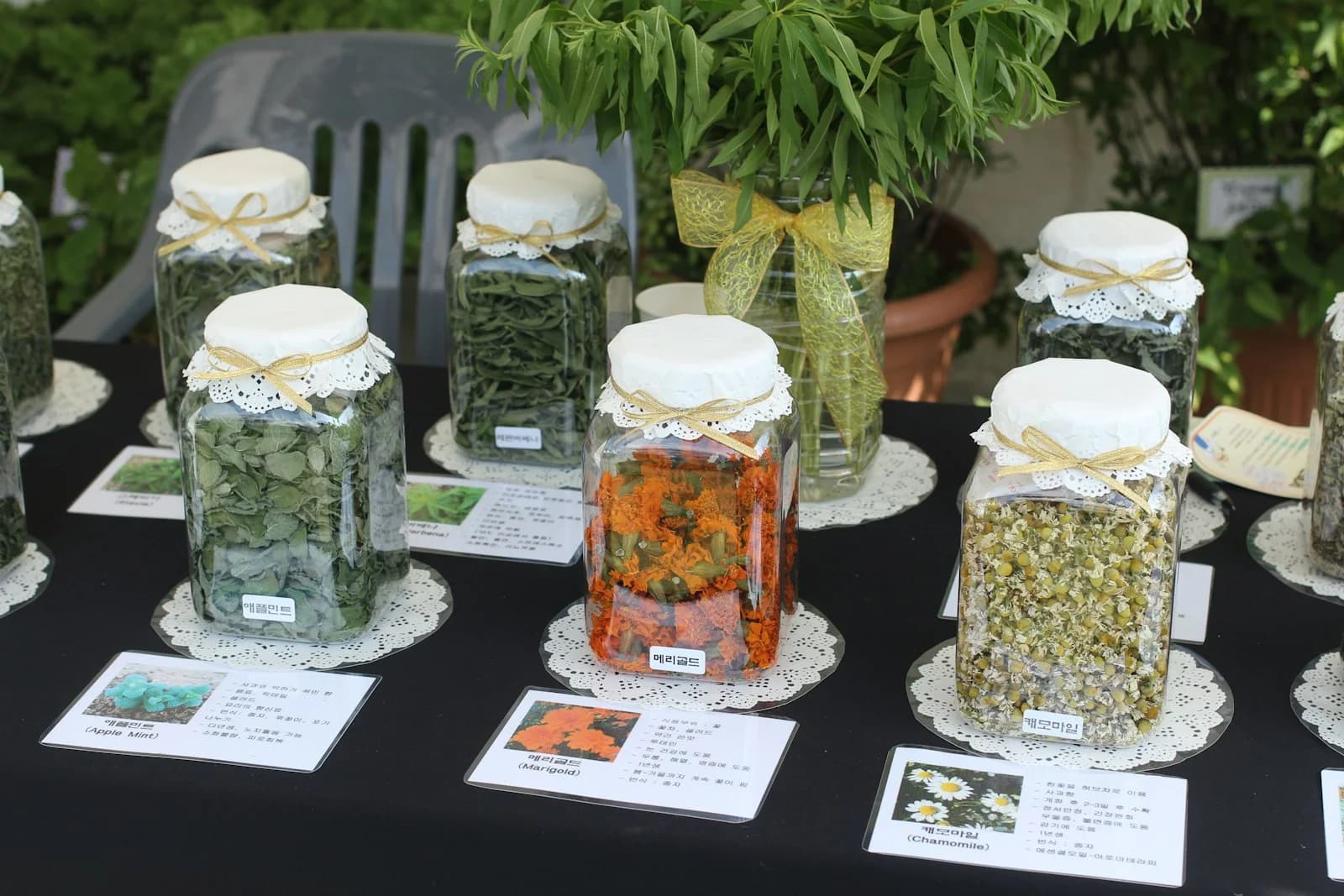
They are drafting the first volume of internationally harmonised quality standards for traditional herbal medicines, which will contain 12 monographs on priority herbal medicines. Hong Kong's government calls the project the International Herbal Pharmacopoeia, and said the meeting reviewed proposed quality specifications for the 12 medicines along with general chapters, according to its press release.
WHO said each herbal monograph in the new volume will include a dedicated section on biodiversity, traditional knowledge and the sustainable use of herbal medicines.
The Hong Kong session was the latest in a series of online and in-person meetings WHO has held since November 2024, and the third hosted in Hong Kong for this initiative.
What is India's role?
WHO acknowledged the technical contributions of the Pharmacopoeia Commission for Indian Medicine and Homoeopathy (PCIM&H) under the Ministry of Ayush, along with the WHO Collaborating Centre for Traditional Medicine at Hong Kong's Department of Health. The Hong Kong release said PCIM&H is working with the Department of Health to contribute expertise to the herbal monographs.
The WHO Global Traditional Medicine Centre that convened the meeting is itself based in India. It was set up in 2022 in Jamnagar, Gujarat, with foundational support from the Government of India, according to WHO.
What did officials say?
Dr Kim Sungchol, who heads the traditional medicine norms and standards unit at the centre, opened the meeting on behalf of its Director, Dr Shyama Kuruvilla. He said "quality standards are fundamental to building confidence in traditional medicine," and that the publication should help strengthen quality assurance and regulatory capacity and support the appropriate integration of evidence-based traditional medicine into health systems.
Liu Jinfeng, China's Vice Minister of the National Health Commission and head of its National Administration of Traditional Chinese Medicine, said in a recorded video message that traditional medicine "plays an important role in health systems worldwide" and that the standards should provide practical guidance. Hong Kong's Director of Health, Dr Ronald Lam, called the meeting "a valuable platform for experts to exchange knowledge."
Why does it matter for consumers?
Common standards are meant to make herbal products more consistent wherever they are sold. According to the Hong Kong release, harmonised standards will help countries strengthen their regulatory capacity and ensure the safety and quality of traditional medicinal products. WHO said the publication should also promote convergence among regulators. The effort ties in with India's own push on quality in traditional medicine, such as the recent Ayush Quality Mark certificates handed to hospitals and manufacturers.
What happens next?
WHO said the work supports its Global Traditional Medicine Strategy 2025–2034, which aims for stronger quality assurance, better regulation and safe, evidence-informed use of traditional medicine. WHO has not announced a publication date for the first volume, and the 12 herbal medicines it will cover have not been named in the releases.