This is a MapMyTimes opinion piece. It reflects the editorial view of MapMyTimes. On 19 November 2026, the Union Health Ministry proposed writing Good Storage and Distribution Practices (GSDP) for medicines into the Drugs Rules, 1945, and invited objections and suggestions from the public, as MapMyTimes reported. The proposal is overdue and welcome. Whether it protects patients will depend on how the final rules are phased in and how openly they are enforced.
Why does this proposal matter?
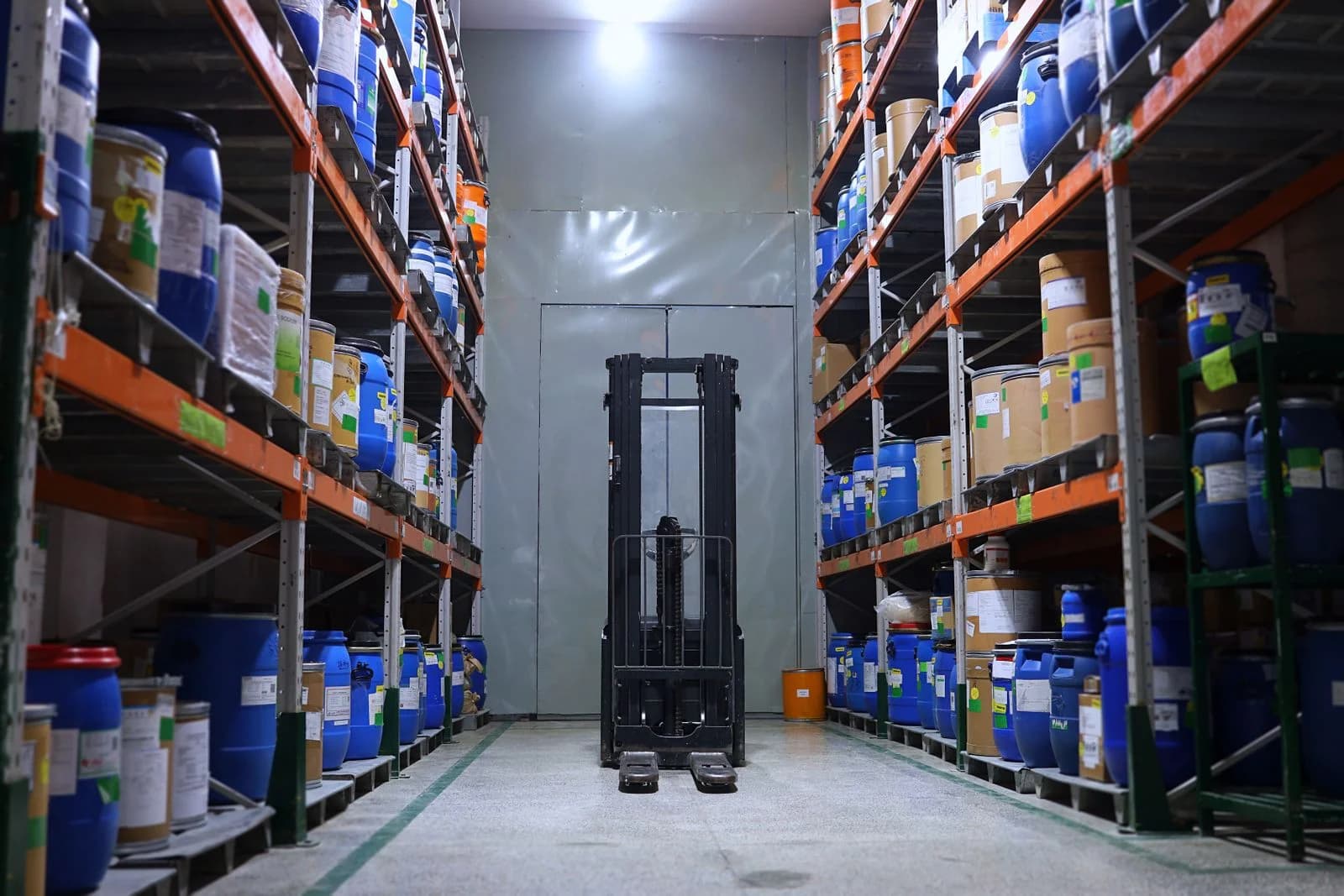
It matters because a medicine can be made correctly and still reach a patient degraded, contaminated or swapped. According to the ministry's statement, as carried by PTI and Greater Kashmir, the framework would cover procurement, storage, transport, documentation and record-keeping, and would apply to manufacturers, importers, wholesalers, distributors, stockists and others in the distribution chain. The ministry says the aim is to keep products' quality, safety, efficacy and integrity intact "from the manufacturer or importer to the point of supply to the patient", and to guard against deterioration, contamination, mix-ups, falsification, diversion and unauthorised distribution.
The scale of the global problem is not in doubt. The World Health Organization's fact sheet on substandard and falsified medical products states that at least one in ten medicines in low- and middle-income countries is substandard or falsified, and that long and complex supply chains with many intermediaries increase the risk of tampering and substitution.
What changes when guidance becomes law?
The Central Drugs Standard Control Organisation (CDSCO) already has GSDP guidance, and the draft builds on it. The difference is enforceability: according to the ministry, placing these practices in the Drugs Rules would strengthen oversight, inspection and enforcement by central and state drug-control authorities, and improve traceability and accountability across the supply chain. India has already tightened standards at the factory end through the revised Schedule M on manufacturing practices, notified in December 2023. Extending that discipline beyond the factory gate is the logical next step.
The strongest case against
The fairest objection is about cost and capacity. Temperature-controlled storage, validated transport and detailed records cost money, and a small stockist in a district town does not have the margins of a large distributor. If the final rules arrive with a short deadline and little support, the likely result is either widespread non-compliance that inspectors quietly ignore, or consolidation that squeezes small businesses and makes supply in remote areas thinner. There is also a fair worry that new paperwork achieves little if inspection capacity does not grow with it. These concerns are reasonable, and the ministry should answer them in the final notification rather than wave them away. The same day, it also proposed easing parts of revised Schedule M for medicinal gases, empty gelatin capsules and disinfectants, which shows it is willing to adjust rules to fit different parts of the industry.
What should the final rules do?
MapMyTimes believes three things would make the rules work for patients without breaking the supply chain.
- A published, phased timeline. Larger distributors and those handling temperature-sensitive products, such as vaccines and insulin, should comply first; smaller stockists should get a clear, longer runway rather than an open-ended one.
- Digital records by default. Traceability is the point of the exercise. Records that can be checked quickly during a recall or a quality alert are worth more than paper files that are filled in once a year.
- Public enforcement data. The ministry and state drug controllers should publish how many distribution premises are inspected, how many fail and what action follows. Without that, no one can tell whether the rules are being applied.
A rule worth getting right
The proposal fills a real gap between the factory and the patient, and it deserves support. The ministry has asked for objections and suggestions, to be sent to the Under Secretary (Drugs Regulation) or by email to drugsdiv-mohfw[at]gov[dot]in. Distributors, chemists, hospitals and patient groups should use that window to press for rules that are firm on safety, realistic on timelines and transparent on enforcement. Getting all three right would make this more than another line in the rule book.