A restaurant in India cannot make you pay a service charge, and that position has not changed after the Delhi High Court admitted appeals by two restaurant industry bodies on 19 November 2026. A division bench of Acting Chief Justice Nitin Wasudeo Sambre and Justice Sanjay Sharma in New Delhi made clear it had granted the restaurants no interim relief, so a 2025 ruling against compulsory service charges remains in force. MapMyTimes reported the hearing here. This explainer sets out what the rules say, what you can do at the table, and what is still undecided.
What is a service charge?
A service charge is an extra amount, usually a percentage of the food bill, that some restaurants add for service in place of a tip. According to a Ministry of Consumer Affairs communication quoted in the Delhi High Court's judgment of 28 March 2025, hotels and restaurants were charging service charges in the range of 5 to 20 per cent "in lieu of tips". It is not a government tax. The court noted complaints that customers confused it with GST or service tax, and that some paid a tip on top because they thought the service charge was a tax.
Why is it in the news?
It is in the news because the restaurant bodies' challenge has moved to a larger bench, but without any relief for them so far. The National Restaurant Association of India (NRAI) and the Federation of Hotel and Restaurant Associations of India (FHRAI) appealed against the March 2025 single-judge ruling. On 19 November, Additional Solicitor General Chetan Sharma, appearing for the Centre, told the bench that some restaurants were still levying the charge and could cite the admitted appeals to continue, according to LiveLaw and the Press Trust of India (PTI). The bench replied, as PTI reported: "Where is the interim relief in their favour? No, we have not granted any interim relief." It also told the Centre, "The ball is in your court," meaning enforcement is for the authorities.
What do the rules actually say?
The rules are guidelines issued by the Central Consumer Protection Authority (CCPA) on 4 July 2022 under the Consumer Protection Act, 2019. As reproduced in the High Court judgment, they say:
- No hotel or restaurant may add a service charge to the bill automatically or by default.
- It cannot be collected under any other name.
- No consumer can be forced to pay it, and restaurants must clearly say it is voluntary, optional and at the customer's discretion.
- Entry or service cannot be refused because a customer will not pay it.
- It cannot be added to the food bill with GST then charged on the combined total.
In her March 2025 ruling, Justice Prathiba M. Singh upheld these guidelines as binding, held that collecting a service charge by default is an unfair trade practice under the Act, and dismissed the restaurant bodies' petitions with costs of Rs 1 lakh each.
Can you refuse to pay it?
Yes. Under the CCPA guidelines, a service charge is voluntary, so you can ask for it to be removed from your bill. The court also said this does not stop anyone from leaving a tip for good service; the point is that the amount should be left to the customer and not added by default. It also suggested the CCPA could allow names such as "voluntary contribution" or "staff welfare fund", because the word "service charge" misleads people into thinking it is a tax.
How much difference does it make?
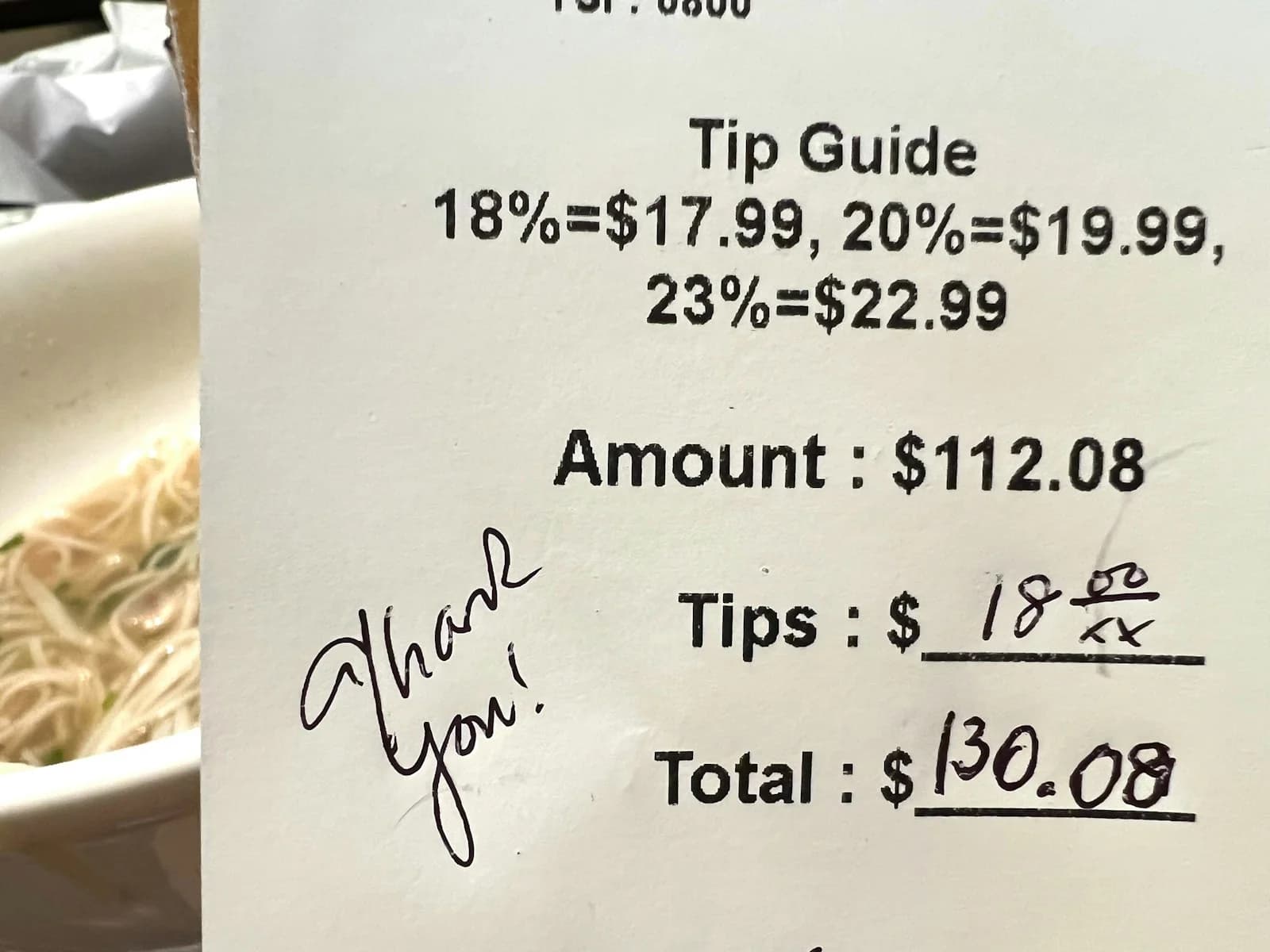
It can make a noticeable difference because GST on the service charge adds to it. The judgment included two sample bills. On a Rs 5,000 food bill with 18 per cent GST, adding a 10 per cent service charge took the total from Rs 5,900 to Rs 6,490. On a Rs 1,000 bill with 5 per cent GST, the total rose from Rs 1,050 to Rs 1,155. The court said the impact could be as high as 12 to 15 per cent in high-end restaurants.
What can you do if a restaurant insists?
The guidelines list four steps a consumer can take:
- Ask the restaurant or hotel to remove the service charge from the bill.
- Complain to the National Consumer Helpline by calling 1915 or through its mobile app.
- File a complaint of unfair trade practice before the consumer commission, which the guidelines say can also be filed online.
- Complain to the District Collector of your district, or email the CCPA at com-ccpa@nic.in.
Keeping the bill helps, since it shows exactly how the charge was added.
What are the restaurants arguing?
The restaurant bodies argue that a charge clearly shown on the menu and at the premises is not unfair. Before the single judge, they also said the charge was part of staff pay arrangements and that a customer who orders after seeing the menu has accepted it. Justice Singh rejected both points, saying no material had been placed on record to show how the money reached staff, and that such a condition was an unfair contract term. At the 19 November hearing, a counsel for the appellants told the court that restaurants show the service charge separately from the bill because it is meant as a contribution to staff, according to LiveLaw. The bench observed that there is no legislation in India mandating a tip.
According to PTI, the NRAI says it represents about 7,000 restaurants, and the FHRAI says it represents about 55,000 hotels and 5 lakh restaurants.
What is established and what is uncertain?
Established: the CCPA guidelines and the March 2025 ruling are in force, the division bench has granted no interim relief, and customers cannot be made to pay a service charge. Uncertain: how the division bench will finally rule on the appeals, and when. No next hearing date has been reported; PTI said the appeals were listed for hearing "in the regular course". It is also not yet known whether the authorities will step up action against restaurants that keep charging by default.
What happens next?
The appeals will be heard in the regular course. Until the division bench decides them, the guidelines continue to apply, and the CCPA and District Collectors can act on complaints. Any change to your rights at the table would need a fresh order from the court.