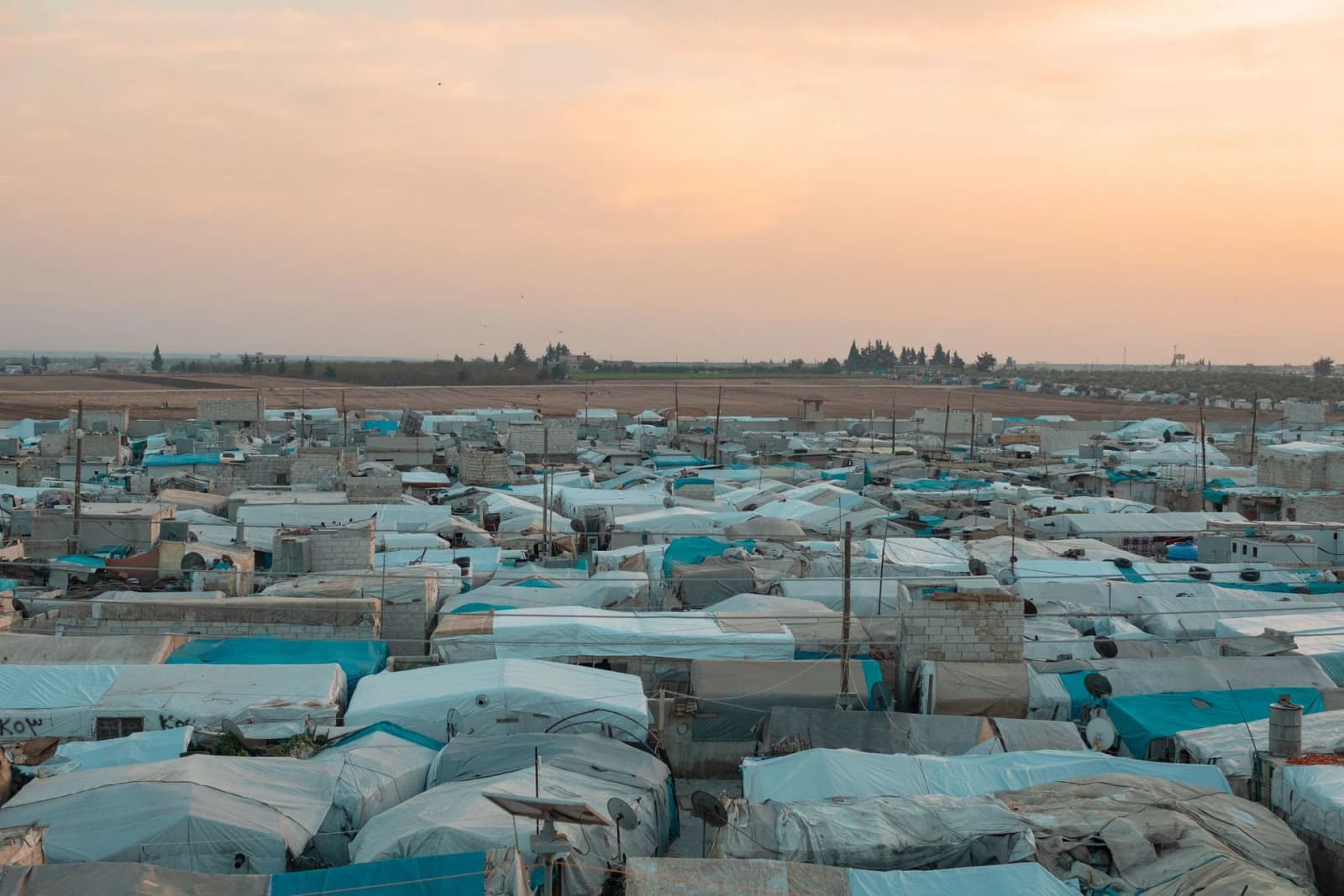
The United Nations High Commissioner for Refugees (UNHCR) warned on 27 November 2026 that deep funding cuts are shutting down protection services for displaced women and girls who survive gender-based violence (GBV). Briefing journalists in Geneva, UNHCR Assistant High Commissioner for Protection Ms. Wosornu said 171 UNHCR-supported safe spaces for women and girls closed last year, according to UN News. Only 203 remain open.
How deep are the funding gaps?
UNHCR's GBV programmes were less than one-third funded in 2025, according to the briefing. Citing the agency's 2025 GBV Impact Report, UN News said 5.6 million forcibly displaced and stateless people have been left without lifesaving prevention and response services.
The consequences reach beyond the closed buildings. When safe spaces shut, specialist services for survivors stop and options for medical and legal referrals shrink, UNHCR said. According to the agency, 63% of its operations reported that survivors faced delays in getting specialised GBV case management because partner organisations had cut staff.
Who is affected?
UNHCR said more than 60 million forcibly displaced and stateless women and girls face a higher risk of violence. Worldwide, nearly one in three women has experienced physical or sexual violence. "We must not mistake silence for safety," Ms. Wosornu said, as quoted by UN News.
She described the case of Mariam, a woman from Nigeria who survived a decade of captivity and rape by the armed group Boko Haram. According to UNHCR, Mariam and other survivors now receive support and vocational training through a government-run initiative backed by the agency and its partners. Young survivors often face rejection and stigma from their own families and communities, UNHCR said.
What do the latest data show?
- UNHCR's specialised GBV programmes reached 2.2 million people in 77 countries in 2025 and the first half of 2026.
- A UNHCR-led GBV Trends Report, drawing on data from Bangladesh, Jordan, Lebanon, South Sudan and Tanzania, found that women and girls made up 98% of recorded survivors.
- Nearly 88% of incidents in that analysis took place in private homes.
- In Goma, in the Democratic Republic of the Congo, only 9% of survivors were referred to legal services, held back by documentation and language barriers, even though many said they wanted their attackers to face justice.
Why it matters
The warning came during the 16 Days of Activism against Gender-Based Violence, the annual campaign that runs until 10 December. Other UN agencies have used the campaign this week to highlight survivor services, including the United Nations Population Fund's 'Women at the Centre' programme and a crisis centre in Samarkand, Uzbekistan. UNHCR's figures show that for displaced women, much of that support is now shrinking.
What happens next
The UN News report of the briefing did not mention any new funding pledges. The 16 Days campaign ends on 10 December, and the agency's data suggest that services will keep contracting unless donors close the gap in GBV funding.