The Bundibugyo Ebola outbreak in the Democratic Republic of the Congo (DRC) has crossed 12,000 confirmed cases. In its weekly update published on 26 November 2026, the European Centre for Disease Prevention and Control (ECDC) said the country had reported 12,021 confirmed cases and 5,904 related deaths as of 25 November, based on data up to 24 November. The agency said community transmission is continuing.
How fast is the outbreak still growing?
It is still adding hundreds of cases a week. According to the ECDC, 517 confirmed cases and 274 deaths were added since its previous update on 19 November, in Ituri, Nord-Kivu, Haut-Uélé and Tshopo provinces. The update says 1,092 patients are in isolation in hospital, 3,332 confirmed patients have recovered, and 85.1% of identified contacts were being followed up.
The figures mean that close to half of all confirmed patients have died. The ECDC also warned that the true size of the outbreak in the DRC is probably larger than the reported numbers, because of gaps in information and limited contact follow-up.
Where are the cases concentrated?
The ECDC said eight provinces are affected, with 69 of the country's 178 health zones reporting cases. Ituri in the north-east is the worst hit, with 8,140 cases and 3,843 deaths across 28 of its 36 health zones. Nord-Kivu follows with 3,181 cases and 1,779 deaths, then Haut-Uélé with 561 cases and 240 deaths and Tshopo with 111 cases and 35 deaths. Smaller numbers have been recorded in Bas-Uélé, Nord Ubangi, Sud-Kivu and Sud Ubangi.
Has the virus spread beyond the DRC?
- Uganda: 20 cases, including secondary transmission linked to imported cases, according to the ECDC.
- Kenya: a cluster of nine cases and two deaths; the ECDC said all identified contacts had finished their 21-day quarantine by 11 November.
- Nigeria: one imported case, who was medically evacuated to Switzerland on 26 October and discharged on 11 November; all 62 identified contacts completed quarantine.
Several health workers and other patients have also been evacuated to European countries for treatment during the outbreak, the ECDC said.
What is the risk outside Africa?
The ECDC assesses the risk for people living in or travelling to affected areas from the European Union and European Economic Area as low, and the risk for the general population there as very low. It said screening returning travellers is not an effective way to stop the virus being introduced, and recommended giving travellers clear information on symptoms and on what to do if they fall ill after arrival.
Why it matters
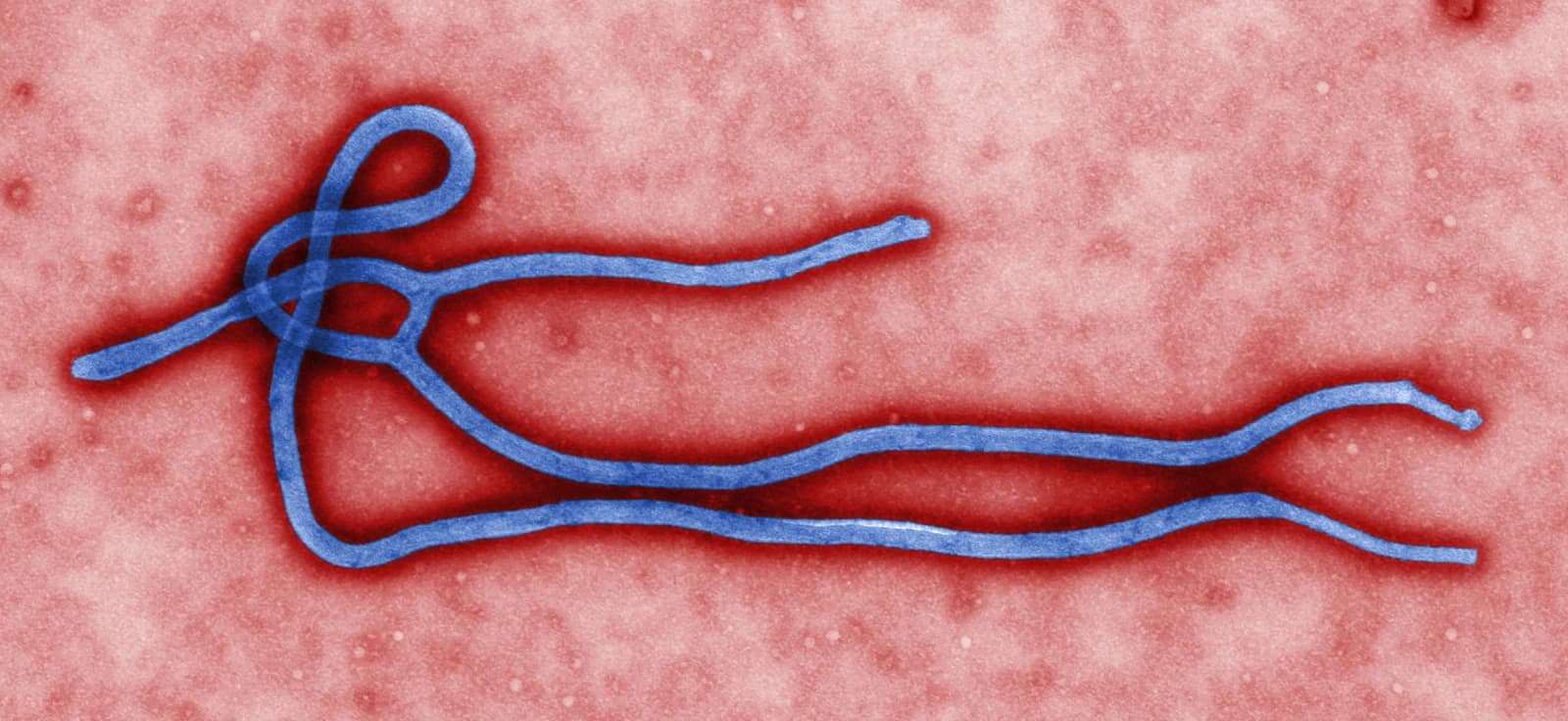
Bundibugyo is one of the virus species that cause Ebola disease. An outbreak of this scale, spread across eight provinces and with cases reaching three other African countries, is a major test for disease control in the region, and the ECDC's own assessment is that reported figures understate it.
What happens next
On 24 November 2026 the World Health Organization (WHO) published a continental preparedness and response plan for Bundibugyo virus covering November 2026 to May 2027. WHO says the plan guides joint work by WHO, the Africa Centres for Disease Control and Prevention (Africa CDC), governments and partners, and is built around 15 technical pillars, including surveillance, clinical care, community protection and safe burials. The ECDC said it will keep publishing weekly updates on Thursdays.