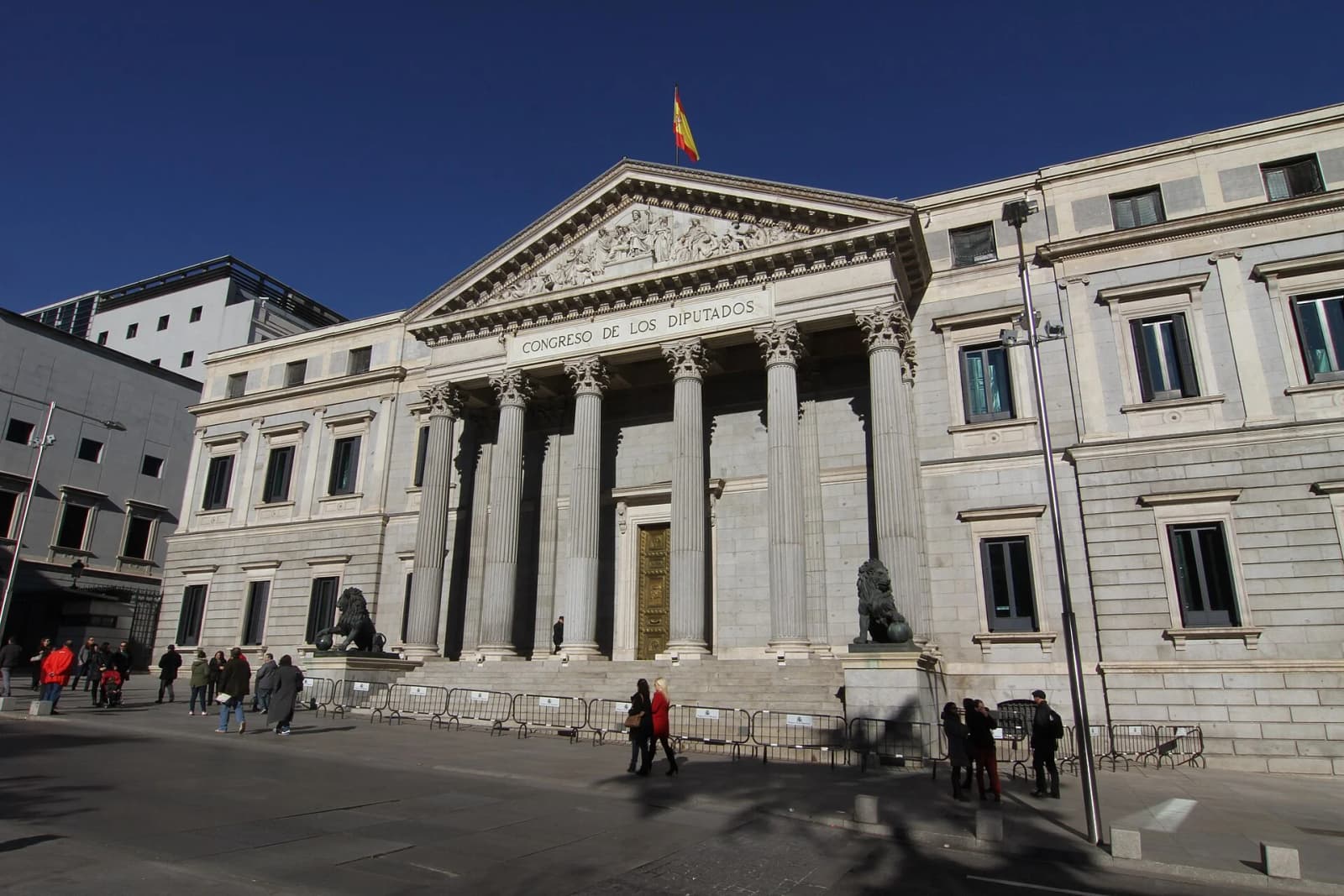
Spain's party leaders held their final rallies on 27 November 2026, closing a 15-day campaign ahead of Sunday's snap general election. Prime Minister Pedro Sánchez of the Socialist party (PSOE) wrapped up in Madrid, People's Party (PP) leader Alberto Núñez Feijóo in Seville, and far-right Vox leader Santiago Abascal in Valencia. Polls suggest the vote on 29 November could end Sánchez's eight years in power.
When does Spain vote, and why now?
Spaniards vote on Sunday, 29 November 2026, for both chambers of the Cortes. The royal decree published in the Official State Gazette (BOE) on 6 October dissolved the Congress of Deputies and the Senate elected on 23 July 2023. It set the campaign to start at midnight on Friday 13 November and end at midnight on Friday 27 November, and ordered the new chambers to meet on 23 December at 10am.
Sánchez announced the snap vote on 5 October, days after Congress threw out two of his government's housing decrees. The Catalan pro-independence party Junts, which had helped negotiate the first text, voted against them along with the PP and Vox, according to IMI Daily. The decrees would have extended protection against some evictions until 2030 and regulated seasonal and room-by-room rentals. The election had originally been due in 2027, France 24 reported.
What do the polls say?
Polls have consistently put the PP ahead of the Socialists. Four surveys published on 22 November, a week before polling day, all placed the PP first and gave a combined PP-Vox bloc more than the 176 seats needed for a majority in the 350-seat Congress, Euronews reported.
- Ipsos (La Vanguardia): PP 30.3% and 127 seats, PSOE 29.8% and 119 seats, Vox 17.9% and 63 seats.
- GAD3 (ABC): PP 31.1% and 131 seats, PSOE 28.4% and 110 seats, Vox 18.1% and 63 seats.
- Hamalgama Métrica (Vozpópuli): PP 31.8% and 130 seats, PSOE 25.4% and 98 seats, Vox 20.6% and 80 seats.
France 24 noted that some recent polls suggest the gap between the Socialists and the PP is narrowing, raising the possibility of another comeback by a leader often described as the great survivor of Spanish politics. Polls are estimates, and seat projections vary widely between pollsters.
What happened on the last day?
Sánchez used his closing rally to try to mobilise left-leaning voters against what he calls a "regression" under a possible PP-Vox coalition, according to France 24. Political scientist Paloma Román of Madrid's Complutense University told the broadcaster she expects turnout to be "very high, perhaps 78 percent", and said the final hours would be decisive for Sánchez in motivating voters who tend to stay at home.
The final stretch followed a televised debate on 26 November between Abascal, Sánchez, Feijóo and Ada Colau of the Broad Front. Feijóo said he would step down if he lost and challenged Sánchez to do the same, an offer the prime minister declined, Euronews reported.
What are the main issues?
Housing costs and the wider cost of living have dominated the campaign. Provisional data released on Friday showed Spanish inflation at 4.1% in November (read our report on the figures). The PP has centred its campaign on removing Sánchez and attacked him over corruption scandals, while Vox has focused on immigration, an issue that rose to the top of the agenda after tens of thousands of migrants entered the North African city of Ceuta in July, France 24 reported.
Why it matters beyond Spain
Spain is the European Union's fourth-largest economy. A coalition between the PP and Vox, which already govern several regions together, would be the first of its kind at national level since Spain's return to democracy after the Franco dictatorship, according to France 24. Vox, the country's third-largest party, could double its seats.
What happens next?
If no party wins an outright majority, as all major polls project, the parties will have to negotiate support in the new Congress, which meets for its opening session on 23 December under the dissolution decree.
Photo source · Vickybol, CC BY-SA 3.0