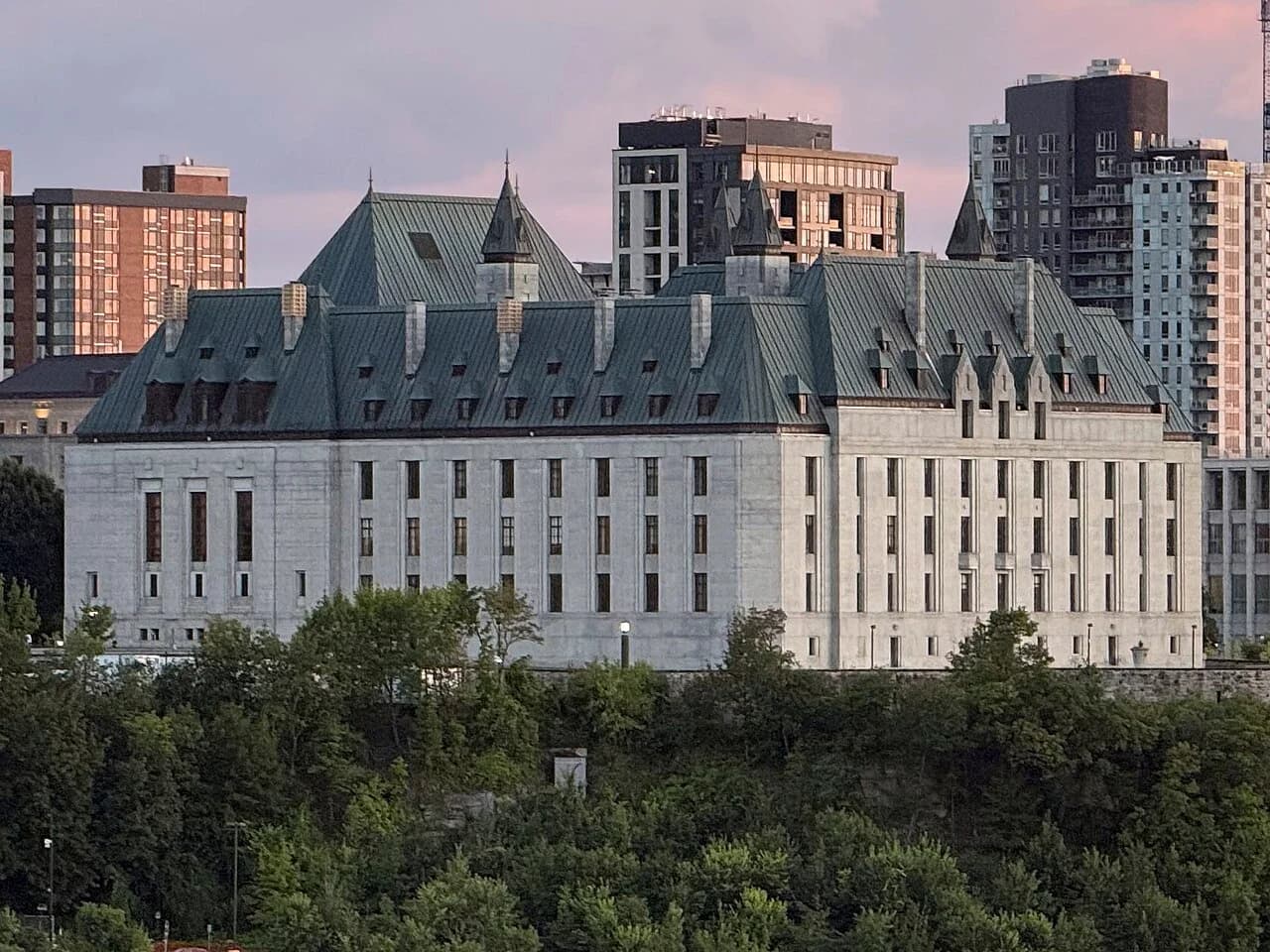
The Supreme Court of Canada on 27 November 2026 upheld most of Quebec's secularism law, known as Bill 21, which bars public employees in positions of authority, such as teachers, judges and police officers, from wearing religious symbols at work, the Associated Press reported. The ruling from Ottawa leaves in place a ban that covers items such as Muslim headscarves, Sikh turbans, Jewish skullcaps and Christian crosses.
What did the court decide?
The court left the core of the law intact and confirmed Quebec's right to shield it with the Constitution's notwithstanding clause. The only part found unconstitutional was the provision banning face coverings for members of Quebec's National Assembly, according to Canadian media reports. The court also dismissed arguments that the law violated gender equality guarantees and minority-language education rights.
Chief Justice Richard Wagner wrote that the notwithstanding clause "imposes only formal requirements" on legislatures, leaving courts no role in second-guessing its use, according to a report carried by Yahoo News Canada. Justices Andromache Karakatsanis and Michelle O'Bonsawin wrote separately that courts "should not be silent" when people argue that a shielded law breaches their rights. Reports differed on how the judges divided on the various questions.
What is the notwithstanding clause?
It is a provision in Canada's Charter of Rights and Freedoms that lets a legislature override certain rights, including freedom of religion and equality rights, for five years at a time. The AP reported that the court affirmed lawmakers can invoke it before any court rules on whether a law violates those rights, and that the override must be renewed every five years to stay in effect.
The decision is a setback for the federal government in Ottawa, which had urged the court to place limits on how provinces use the clause. Other provinces have used it to protect laws restricting transgender rights and ordering striking workers back to their jobs, the AP noted.
Why is the law contested?
Bill 21 was passed in 2019. Quebec says it ensures the separation of religion and the state, a principle that grew out of the province's rejection of the Roman Catholic Church's once-dominant influence. Opponents say it discriminates against religious minorities, especially Muslim women who wear headscarves, and forces some people to choose between their faith and a public-sector career.
How have groups responded?
Stephen Brown, chief executive of the National Council of Canadian Muslims, told the AP that "entire categories of people are now barred from entire sectors of employment."
Joe Ortona, chair of the English Montreal School Board, which challenged the law, said: "This isn't the end of the road. This is the end of the legal road," adding that advocacy would continue.
What happens next?
With the court route exhausted, opponents say they will press for political change. Because the notwithstanding clause expires after five years, the law's protection depends on Quebec's legislature continuing to renew it.
Photo source · Hayden Soloviev, CC BY 4.0