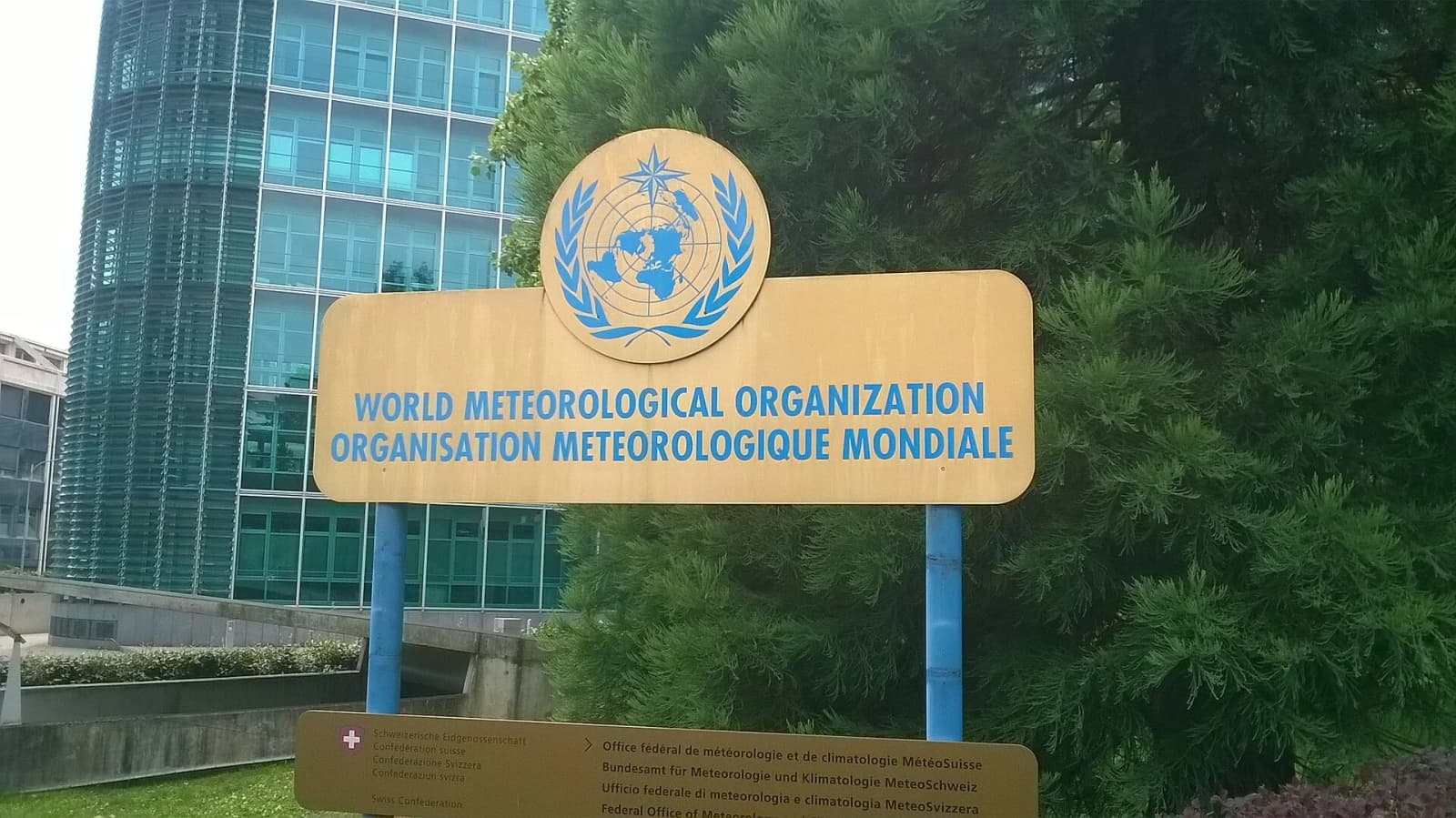
The fourth session of the World Meteorological Organization (WMO) Commission for Observation, Infrastructure and Information Systems (INFCOM-4) concluded in Geneva on Friday, November 27, 2026, adopting a wide-ranging package of technical decisions to strengthen global weather, climate, and water monitoring infrastructure.
Delivering her closing address, WMO Secretary-General Celeste Saulo confirmed that out of 47 decisions, resolutions, and recommendations finalized during the session, four were referred to the WMO Executive Council and three were forwarded to the World Meteorological Congress. She also announced during her closing remarks that she would accept a second term as Secretary-General if Members decide to reappoint her.
Key Infrastructure Frameworks Advanced at INFCOM-4
INFCOM-4 advanced long-term operational roadmaps including the WIGOS Vision 2050 for integrated observing networks and the WIS 2.0 data-exchange architecture, alongside steps to expand the Global Basic Observing Network (GBON) pathway for hydrological water and ice observations.
Member delegates also moved forward the Global Cryosphere Watch Implementation Plan and the Flood Forecasting Framework, while endorsing updates to the WMO Integrated Processing and Prediction System (WIPPS) Strategy that introduce 20 new centres, as well as the EUMETNET OSCAR/Surface Mandatory Programme.
Safeguarding a $10 Billion Annual Public Good
Emphasizing the collective stewardship needed across national meteorological and hydrological services, Saulo noted that global observing infrastructure represents an estimated $10 billion in annual investment. Maintaining and modernizing those interconnected networks underpins early warning systems and climate data exchange worldwide.