The growing contest to block and fake satellite navigation and radio signals is putting civilian aircraft, ships and aid convoys at risk, a researcher at the United Nations Institute for Disarmament Research (UNIDIR) has warned, in remarks published by UN News on 19 November 2026. The warning came from discussions at UNIDIR's 2026 Innovations Dialogue in Geneva, Switzerland.
Federico Mantellassi, a researcher in UNIDIR's Security and Technology Programme, moderated a session on such disruptions at the dialogue. He told UN News that the more societies depend on these technologies, the more exposed they become to interference, manipulation and disruption.
What are jamming and spoofing?
They are the two main ways of interfering with navigation signals. Jamming blocks a signal so that a receiver cannot use it, while spoofing feeds a system false signals so that it reports the wrong position. Both act on the electromagnetic spectrum, which carries GPS and other satellite navigation signals as well as radio, and which also underpins modern military operations.
How big is the problem?
According to UN News, UNIDIR estimates that GPS spoofing in civil aviation rose by 500 per cent between January and August 2024, affecting hundreds of flights. A speaker from the International Civil Aviation Organization (ICAO), who was not named, told a conference that most people who have flown have probably been on a flight that was jammed or spoofed.
At sea, the report says, early 2026 saw the highest concentration of maritime jamming on record during the Middle East crisis. During the war that followed US-Israeli attacks on Iran earlier this year, media reports pointed to more spoofing and jamming in the Gulf of Aden and the Strait of Hormuz, raising the risk of collisions between ships. MapMyTimes has reported on the attacks on tankers around Hormuz and on India's steps to protect its seafarers in the region.
Who is affected?
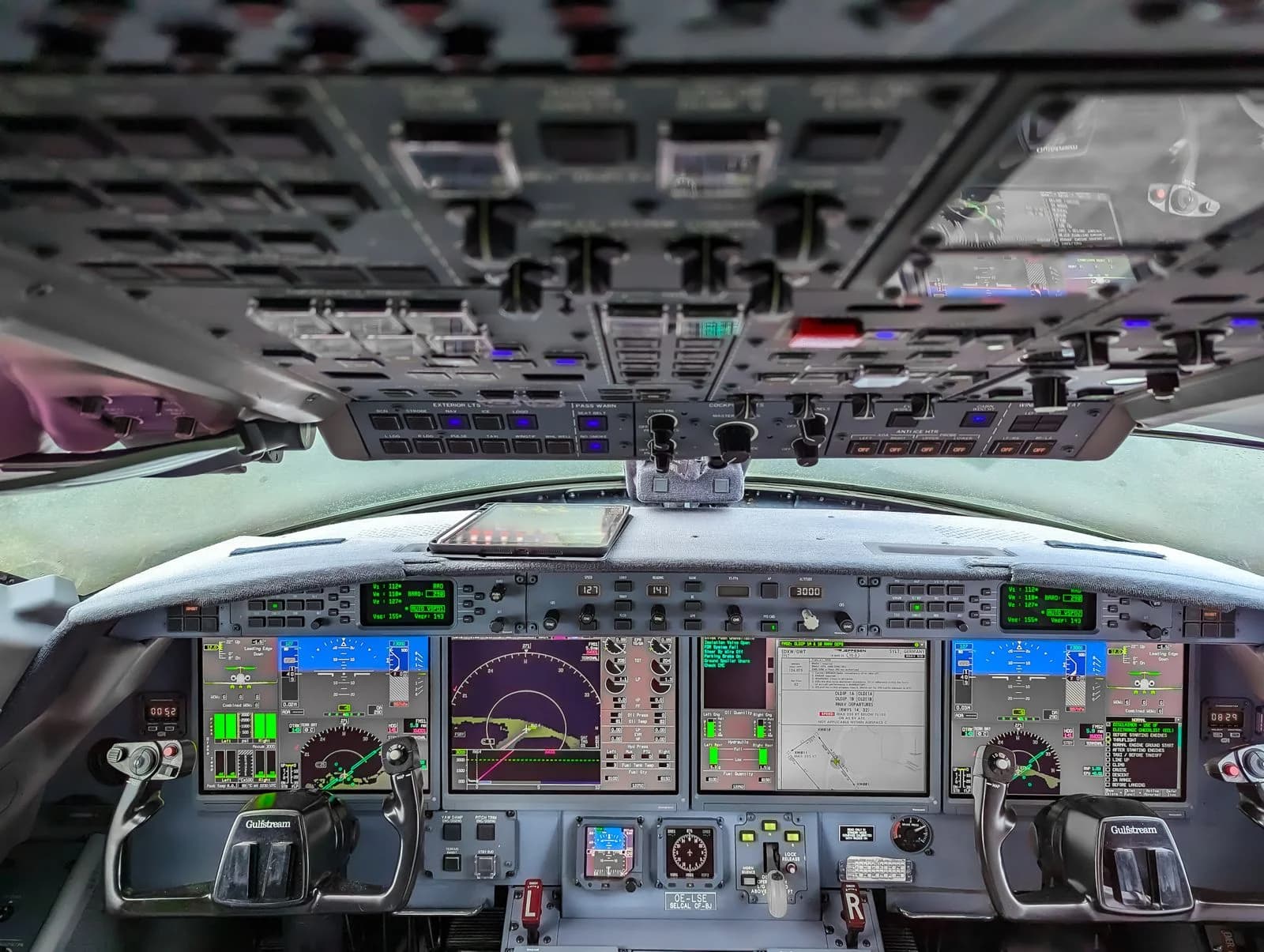
The UN report says civilians bear much of the cost. When signals are disrupted, aid workers, peacekeepers and emergency services may not be able to rely on navigation and communications. Disruption can also hit mobile and internet services, rescue work, public transport and financial systems. In the air, an aircraft's positioning system can show the wrong location, forcing pilots to fall back on other instruments.
Mantellassi said that once conflict spills into everyday life and commerce, the knock-on effects can be widespread. He also said militaries are adapting, creating a cycle of measures and countermeasures. Where jamming and spoofing deny a usable signal, he said, militaries may rely on artificial intelligence (AI) rather than a radio link to navigate drones and select targets. The UN report describes an emerging arms race in AI-powered weapons in the spectrum and calls this especially worrying where machines choose and attack targets without human oversight.
What rules apply?
The International Telecommunication Union (ITU) allocates radio frequencies, manages interference between countries and sets binding international rules on their use. Mantellassi said member states can report interference to the ITU, which has mechanisms for coordination, dispute resolution and escalation. However, ITU rules exclude military uses of radio frequencies, so these frameworks largely stop where military activity begins, the report notes. Mantellassi said international humanitarian law still applies to such activities, though the legal picture is more complicated.
What happens next
According to UN News, the UN Security Council will discuss threats from emerging technologies at a high-level meeting later in November 2026. The date and the outcome of that meeting are not yet known.