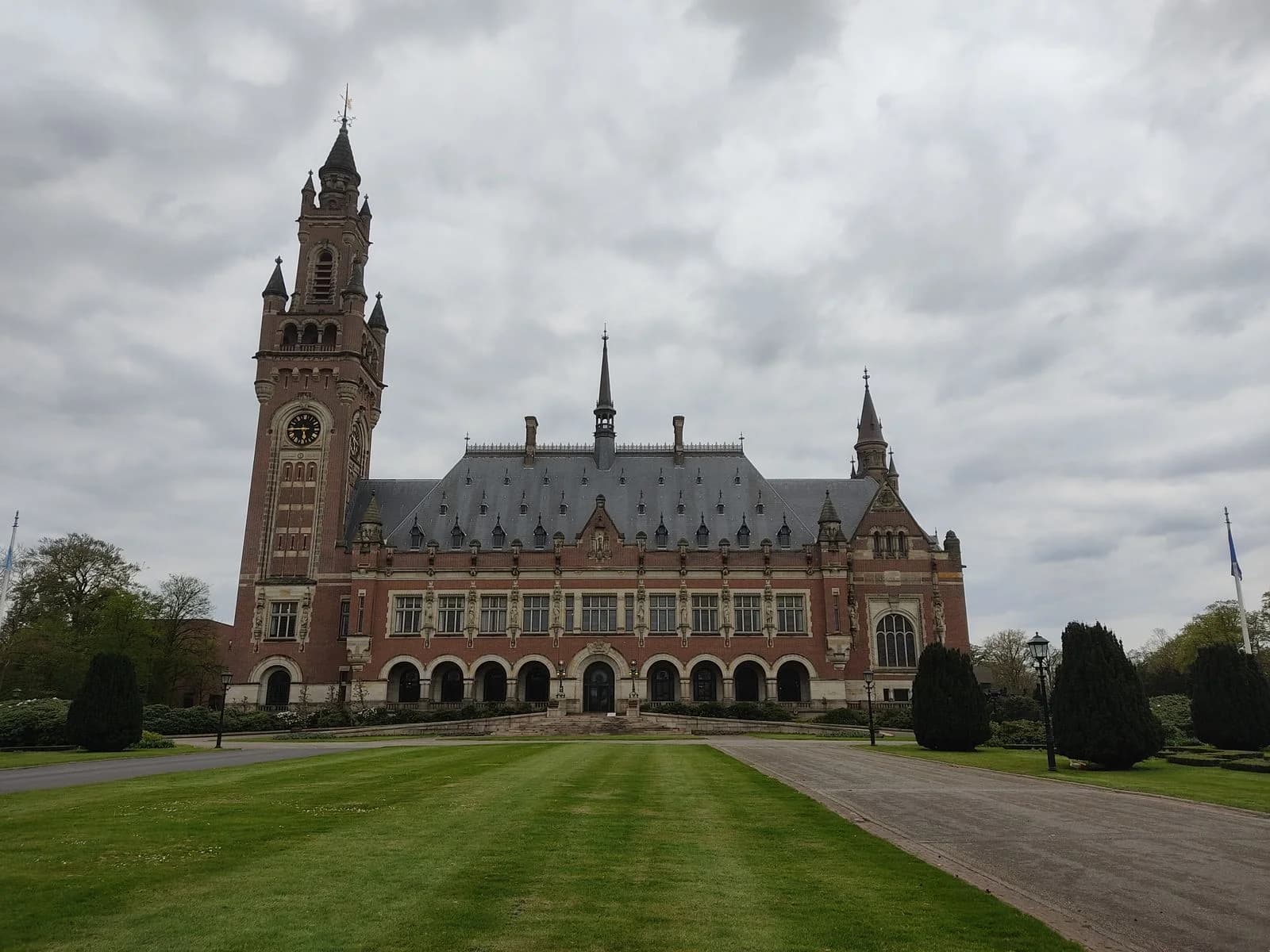
The United Kingdom on Thursday, 19 November 2026, ordered the expulsion of Myanmar's defence attaché from London and called for an urgent United Nations Security Council meeting, hours after the International Court of Justice (ICJ) in The Hague, Netherlands, ruled that Myanmar committed genocide against the Rohingya. Foreign Secretary Ed Miliband also summoned Myanmar's chargé d'affaires, the country's most senior diplomat in London, and said more measures would follow "in the coming days".
The steps came in response to the judgment, which MapMyTimes reported on Thursday.
What exactly did Britain announce?
Britain is expelling Myanmar's military attaché, summoning its top diplomat and asking the UN Security Council to meet on the ruling. "We are taking immediate action today in light of this judgment," Miliband said in a statement carried by Anadolu Agency. He said the steps build on existing British sanctions against Myanmar's military regime.
"The UK is determined to act and ensure accountability for these appalling crimes," Miliband said, according to Anadolu Agency and LBC. He added that "Myanmar must comply fully with the judgment" and called on the international community to support implementation, accountability and justice for the Rohingya.
The statement did not say when the defence attaché must leave, or what the further measures would be.
What did the court rule?
By nine votes to six, the ICJ, the UN's top court, found that Myanmar was responsible for genocide against Rohingya Muslims during its 2017 military operations in northern Rakhine State, according to Anadolu Agency and LBC. It was the first time the court has found a state responsible for genocide. The court ordered Myanmar to provide reparations and take measures to prevent further violations.
The case, The Gambia v. Myanmar, was brought by The Gambia. LBC reported that the ruling is final and cannot be appealed, and that the judges found Myanmar's military carried out mass executions, widespread rape and sexual violence, and burned or razed hundreds of villages.
Myanmar's government denies genocide and says its forces were fighting an insurgency; it did not immediately respond to a request for comment, LBC said. The National Unity Government, a shadow administration opposed to the military, said it "respects the authority" of the court, according to Al Jazeera. MapMyTimes has also published an explainer on what the ruling means.
How have others responded?
Reactions compiled by Al Jazeera showed broad welcome for the verdict. UN Secretary-General António Guterres called it a "demonstration of international justice". Bangladesh's Foreign Ministry welcomed the ruling, urged Myanmar to implement it without delay and said repatriation "remained the only viable solution". The UN refugee agency, UNHCR, said more than 1.3 million Rohingya refugees remain displaced.
The Gambia welcomed the outcome with "profound satisfaction". A United States official, who was not named, said Washington was studying the ruling's implications and stressed "preventing politicisation of the ICJ", Al Jazeera reported. Rights groups Amnesty International and Human Rights Watch also welcomed the judgment.
What happens next?
Britain's request puts the ruling before the Security Council, where it is not yet clear how members will respond; the United States has said only that it is studying the judgment. No date for such a meeting had been announced in the reports checked. Britain has said it will set out further steps within days.