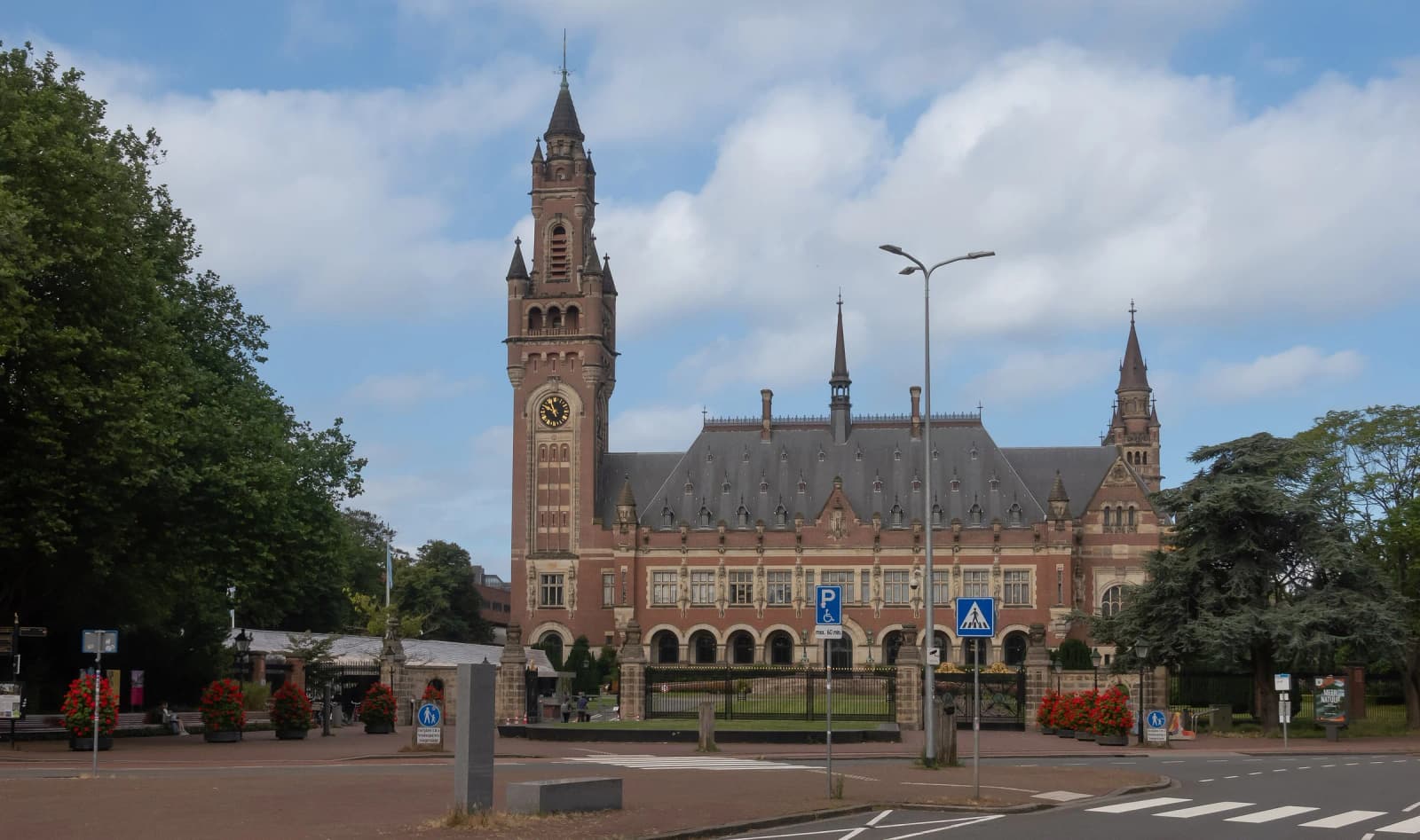
The International Court of Justice (ICJ) ruled on 19 November 2026 in The Hague, the Netherlands, that Myanmar committed genocide against the Rohingya group in northern Rakhine State. The finding, adopted by nine votes to six, is the Court's final judgment on the merits in the case brought by The Gambia in 2019.
In its judgment, the Court said it was "fully convinced" that Myanmar carried out acts listed in Article II (a), (b) and (d) of the 1948 Genocide Convention "with an intent to destroy a substantial part of the Rohingya population of Myanmar". Those provisions cover killing members of a group, causing them serious bodily or mental harm, and imposing measures intended to prevent births.
What did the Court decide?
The Court found Myanmar responsible for genocide and for failing to prevent genocide by individuals operating alongside its security forces, both by nine votes to six. By eleven votes to four, it held that Myanmar had also breached its duty to punish genocide and related acts. By fourteen votes to one, it found that Myanmar had not enacted the laws needed to give effect to the Convention and ordered it to do so.
The judges did not uphold every claim. By fourteen votes to one, the Court found that Myanmar had not directly and publicly incited private persons to commit genocide against the Rohingya. It unanimously rejected The Gambia's remaining submissions.
The Court also found, by eleven votes to four, that Myanmar had violated a provisional measure issued in its order of 23 January 2020, which required it to prevent the destruction of evidence and preserve it.
What must Myanmar do now?
Myanmar must take immediate and effective steps to investigate everyone reasonably suspected of genocide-related acts in the 2017 "clearance operations" and, if warranted, prosecute and punish them, the Court ruled by thirteen votes to two. It must also give assurances and guarantees of non-repetition.
By ten votes to five, the Court ordered restitution. The measures listed in the judgment are:
- allowing the safe, voluntary and dignified return of displaced Rohingya, inside Myanmar or abroad, and the reunification of families;
- returning or replacing lost or damaged individual and collective property;
- helping search for the disappeared and recover, identify and rebury the dead in line with Rohingya traditions;
- providing physical and psychological rehabilitation for those injured;
- protecting the Rohingya from discrimination and persecution.
Myanmar is also obliged to compensate the Rohingya group and its members for damage not made good by restitution. The Court will itself settle the amount and form of compensation. Myanmar has two years from the judgment to submit a report to the Court, and the Court has reserved the later stage of proceedings for this purpose.
How did the judges split?
The bench was presided over by President Iwasawa Yuji. The six judges who voted against the core genocide finding were Vice-President Sebutinde, Judges Tomka, Abraham, Xue and Nolte, and judge ad hoc Kress. Several of them appended a joint dissenting opinion, and many judges on both sides filed separate opinions or declarations.
How did the case reach this point?
The Gambia filed its application on 11 November 2019, basing the Court's jurisdiction on Article IX of the Genocide Convention. Eleven states intervened in the proceedings: Belgium, Canada, the Democratic Republic of the Congo, Denmark, France, Germany, Ireland, the Maldives, the Netherlands, Slovenia and the United Kingdom. Public hearings were held between 12 and 29 January 2026, according to the judgment and the Court's case record.
Why it matters
The ruling places formal state responsibility for genocide on Myanmar and sets out concrete obligations, from prosecutions to the return of displaced people. It does not itself enforce those obligations, and how Myanmar responds will shape what happens next.
As of Thursday evening India time, an official response from Myanmar's government to the judgment had not been confirmed. Myanmar's ties with its regional neighbours are already under strain, as its government said this week it would review relations with ASEAN.
Photo source · Michielverbeek, CC BY 4.0