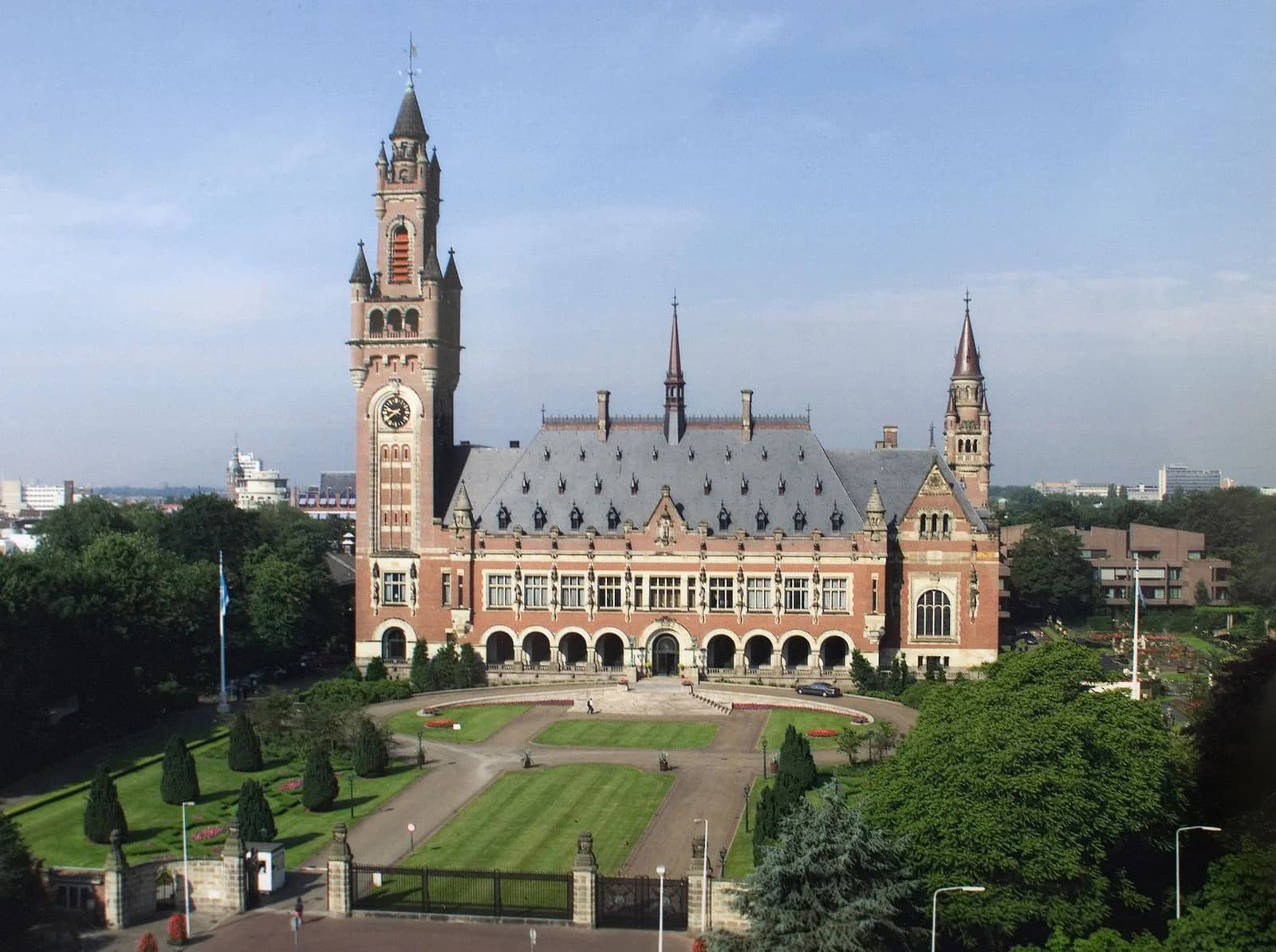
On 19 November 2026, the International Court of Justice (ICJ) in The Hague, Netherlands, ruled that Myanmar committed genocide against the Rohingya, a mainly Muslim minority from Rakhine State. MapMyTimes reported the verdict earlier today. This explainer answers the questions readers are asking: what the court decided, why it is historic, what it means for the Rohingya, and what can happen now.
What is the case about?
The case is a dispute between two states, The Gambia and Myanmar, under the 1948 Genocide Convention, which both have signed. The Gambia filed it in November 2019, with the backing of the 57-member Organisation of Islamic Cooperation, alleging that Myanmar's 2017 military "clearance operations" in northern Rakhine State amounted to genocide. The court's case page lists 11 states that intervened in the proceedings; Al Jazeera named them as Canada, Denmark, the Netherlands, Germany, the Maldives, the Democratic Republic of the Congo, Slovenia, Ireland, Belgium, France and the United Kingdom.
The ICJ settles disputes between governments. It does not try individuals; that is the role of criminal courts.
Why is it in the news?
It is in the news because, for the first time, the ICJ has found that a state itself committed genocide. The UN Regional Information Centre (UNRIC) reported that the court held Myanmar's security forces and other state organs intentionally committed acts listed in Article II of the Convention: killing members of the group, causing serious bodily or mental harm, and imposing measures intended to prevent births. The court also found that Myanmar failed to prevent and punish genocide.
According to Al Jazeera, Court President Yuji Iwasawa read the judgment over about three hours, and nine of the 15 judges found that genocide had been committed. The court's earlier genocide cases ended differently: in 2007 it found Serbia had failed to prevent the 1995 Srebrenica genocide but had not itself committed it, and in 2015 it dismissed the claims in Croatia v. Serbia because specific genocidal intent was not proved, UNRIC noted.
What did the court find happened in 2017?
The court found that Myanmar's forces carried out extreme violence against Rohingya communities, including killings, sexual violence and attacks on children. UNRIC reported that the court estimated about 10,000 Rohingya were killed and that nearly 400 villages, about 40 per cent of the almost 1,000 villages in three northern Rakhine townships, were partially or totally destroyed. Some 700,000 Rohingya fled to Bangladesh, according to UNRIC. Al Jazeera reported that the court also cited hate speech by high-ranking officials.
Myanmar has consistently denied genocide, arguing that its military was responding to attacks by the Arakan Rohingya Salvation Army (ARSA). UNRIC noted that a witness called by Myanmar alleged ARSA killed around 100 civilians in one attack.
What has Myanmar been ordered to do?
Myanmar has been ordered to stop the violations, punish those responsible and repair the harm. According to UNRIC's account of the judgment, the court directed Myanmar to:
- enact legislation giving full effect to the Genocide Convention;
- investigate people reasonably suspected of violations and, where warranted, prosecute and punish them;
- provide assurances and guarantees that the acts will not be repeated;
- allow the safe, voluntary and dignified return of displaced Rohingya to their homes, and reunite families;
- compensate the Rohingya group and its members.
The court did not fix a compensation amount. Myanmar must report to the court within two years on the restitution steps it has taken and on the proposed amount and form of compensation, which will be settled in a later phase. A summary of the judgment is published on the ICJ website.
How does it affect the Rohingya and the region?
The ruling gives the Rohingya a final, binding legal finding that they were victims of genocide, but it does not immediately change conditions on the ground. Al Jazeera reported that about 1.2 million Rohingya now live in camps in and around Cox's Bazar, Bangladesh, and about 520,000 remain in Myanmar under severe restrictions. Myanmar has said it has verified more than 300,000 refugees in Bangladesh for repatriation, but only once security is restored in Rakhine, the report added.
UN Secretary-General António Guterres called the judgment "powerful recognition of the Rohingya victims of genocide," according to UNRIC. Arsalan Suleman, counsel for The Gambia, described it as "a landmark victory for the Rohingya people," Al Jazeera reported.
For India and other countries in the region, the ruling adds legal weight to international pressure on Myanmar over repatriation conditions, though no government in South Asia had issued a detailed response by Thursday evening that MapMyTimes could verify.
What is established and what is uncertain?
What is established: the judgment is final, binding on the parties and cannot be appealed, and Myanmar must report back within two years. What is uncertain: whether Myanmar will comply. The ICJ has no police force of its own. Al Jazeera noted that The Gambia could take the matter to the UN Security Council and ask it to act; the report did not describe any Council action so far.
It is also unclear how Myanmar's military-led authorities, in power since the 2021 coup and fighting a civil war, will respond. No official reaction from Myanmar to the verdict had been reported in the sources MapMyTimes checked.
What happens next?
The next formal step is Myanmar's two-year report on restitution and compensation, after which the court will decide the amount and modalities of compensation if the parties do not agree. In the meantime, Al Jazeera noted that the ruling could have a bearing on other genocide cases before the court, including South Africa's case against Israel over Gaza. MapMyTimes will follow how the parties and the UN respond.