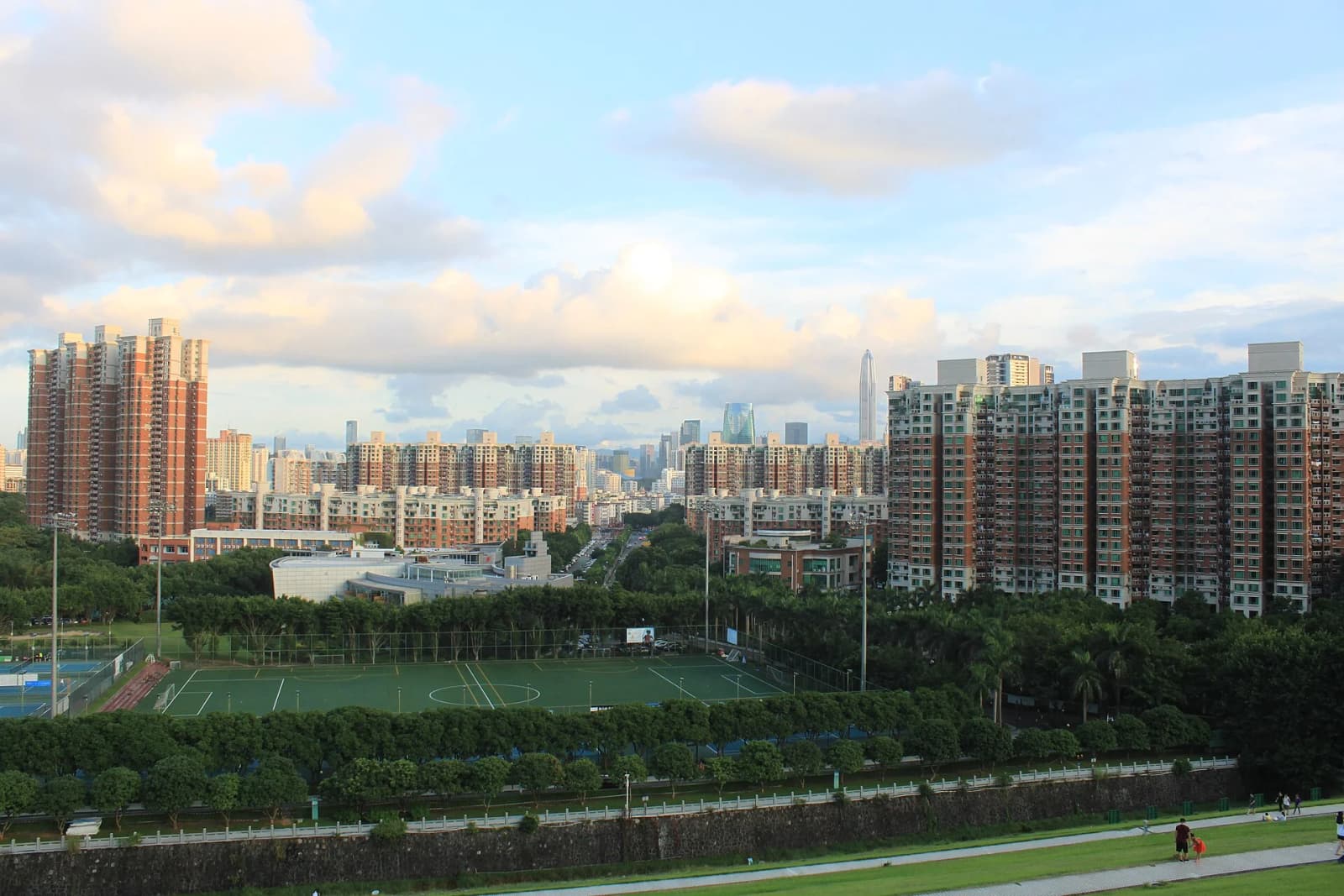
Chinese President Xi Jinping, United States President Donald Trump and Russian President Vladimir Putin held their first three-way meeting on 19 November 2026 in Shenzhen, in China's Guangdong province, on the sidelines of the Asia-Pacific Economic Cooperation (APEC) summit, and issued a joint declaration on reducing nuclear risks. The text, however, contained few concrete commitments and did not name either the war in Ukraine or the Iran war, according to Radio Free Europe/Radio Liberty.
What did the three leaders agree?
They agreed mainly on principles rather than measures. In the declaration, the three leaders reaffirmed that "a nuclear war cannot be won and must never be fought" and pledged to hold a dialogue on reducing nuclear risks and preventing the spread of nuclear weapons, Radio Free Europe/Radio Liberty reported. Turkey's state news agency Anadolu, which described the document as a "Declaration toward Peace", said the leaders first made public remarks of about 15 minutes on nuclear disarmament, global security and the Russia-Ukraine war before moving into closed-door talks.
The declaration also said the International Criminal Court must not abuse its jurisdiction, and the three countries said they plan to increase the production and supply of refined petroleum products. Analysts quoted by Radio Free Europe/Radio Liberty described the nuclear dialogue pledge as vague, and the outlet noted that it came without a timetable.
What was left out?
The statement did not mention the Iran war, and Ukraine was not formally on the agenda of the trilateral meeting, according to the same report. Sari Arho Havren of the Royal United Services Institute, a London-based think tank, called China's refusal to include Ukraine "a strategic choice".
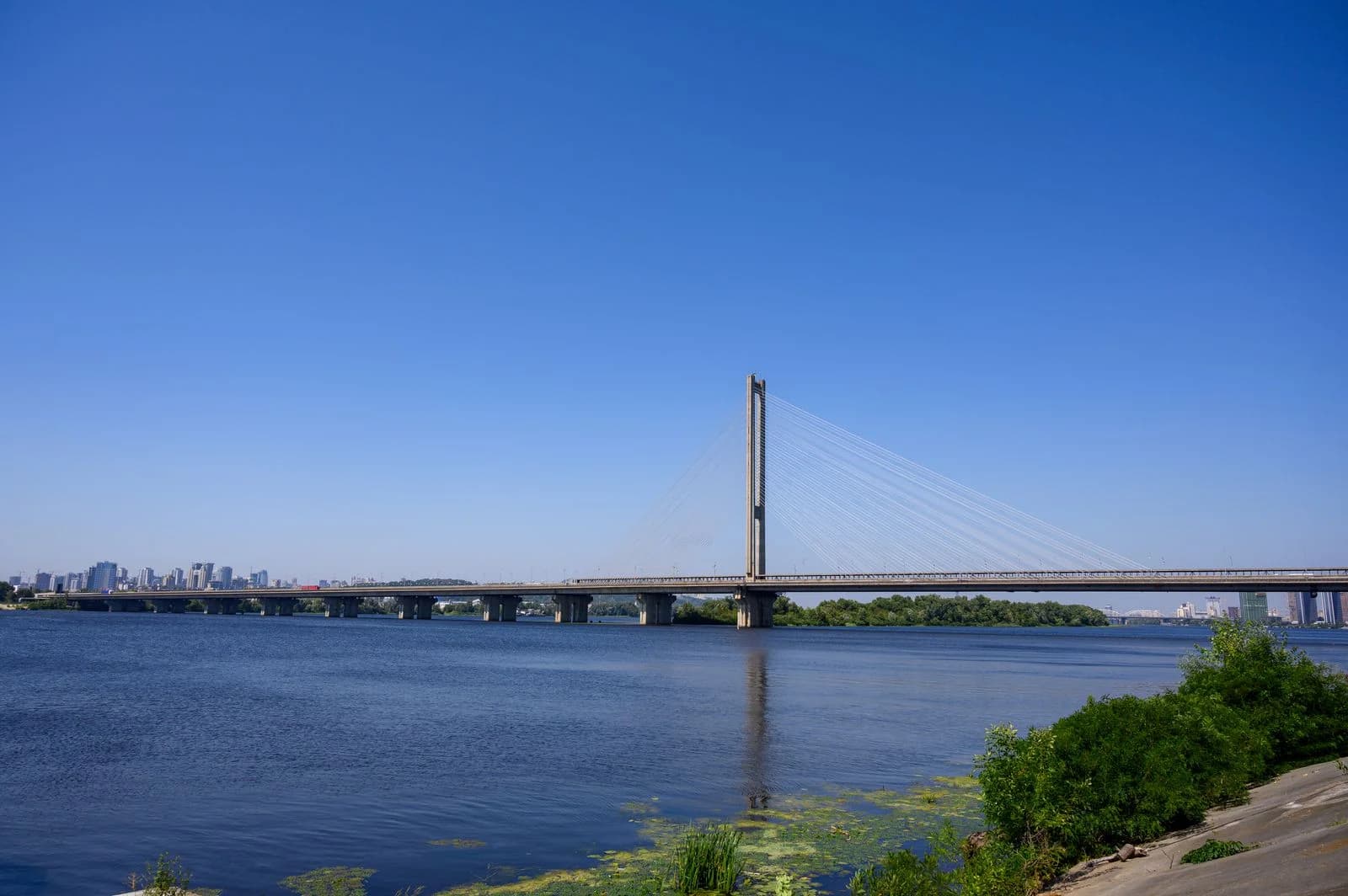
After the meeting, Mr Putin said Moscow would not negotiate a ceasefire following what he called "serious attacks" on the Crimean Bridge, Anadolu reported. Ukraine had struck the bridge shortly before the summit.
How did the leaders describe the meeting?
Mr Xi called the meeting "positive, constructive and fruitful", according to China's official Xinhua news agency as cited by Radio Free Europe/Radio Liberty. Mr Trump described the International Criminal Court as "a rogue globalist organization" and called Mr Xi's welcome "a big win for us".
Who gained most?
Several analysts quoted by Radio Free Europe/Radio Liberty said Moscow came out ahead. Elizabeth Wishnick of CNA, a US research organisation, said Mr Putin "was the biggest winner at this meeting", while Ms Arho Havren said the joint declaration greatly reduced the optics of Russia's isolation. Yun Sun of the Stimson Center said the summit was "high-profile and well-choreographed" and that Beijing could call it a success.
Ross Darrell Feingold, an analyst, said Mr Trump wanted to be on record pursuing nuclear arms control and had achieved that, but added that China and Russia would not help end the Iran conflict. Ms Wishnick cautioned that "the days of leaders sitting around a table and deciding the fate of the world are over".
Why it matters
The three countries are the world's leading nuclear powers, and the meeting was the first of its kind involving their current heads of state without other leaders present. It was also Mr Putin's first APEC appearance since 2017, according to Radio Free Europe/Radio Liberty. Our earlier explainer set out what was known before the Shenzhen summit and what it could mean for India.
What happens next?
The only forward-looking element of the declaration is the pledge to hold a dialogue on nuclear risks. No dates or format for that dialogue have been announced so far, and the declaration does not set binding targets. Whether the three governments follow up with talks on arms control, and whether Europe and Ukraine are brought into any settlement of the Ukraine war, remains to be seen.