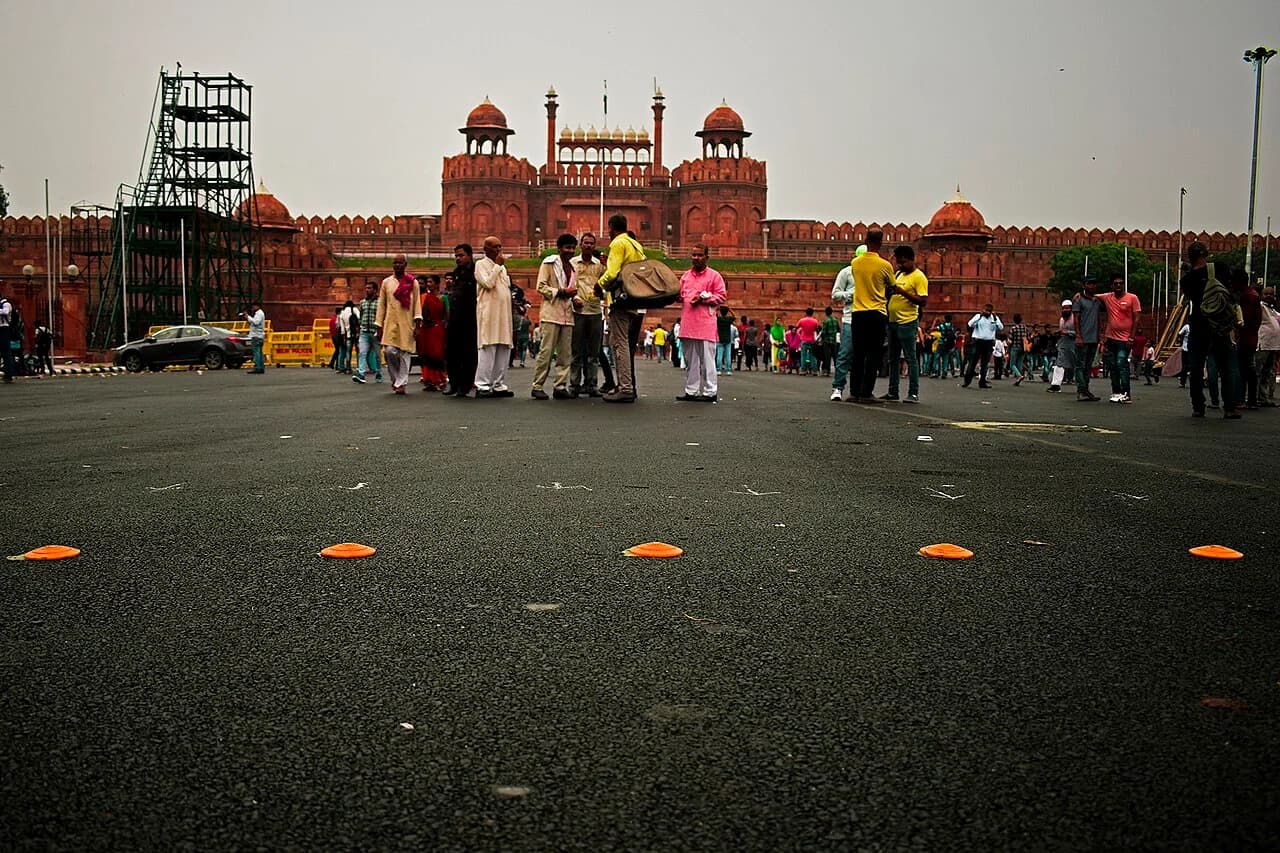
The Supreme Court of India on 23 November 2026 dismissed a plea by Jasir Bilal Wani, also known as Danish, an accused in the 10 November 2025 car bomb blast near the Red Fort in New Delhi, refusing to interfere with the Delhi High Court's decision to deny him default bail. A bench of Justice Prashant Kumar Mishra and Justice Shree Chandrashekhar heard the matter briefly before rejecting it, Bar and Bench reported.
The case, titled Jasir Bilal Wani @ Danish vs National Investigation Agency, is being prosecuted by the National Investigation Agency (NIA). According to LiveLaw's report of the hearing, the blast claimed 15 lives.
What did the Supreme Court decide?
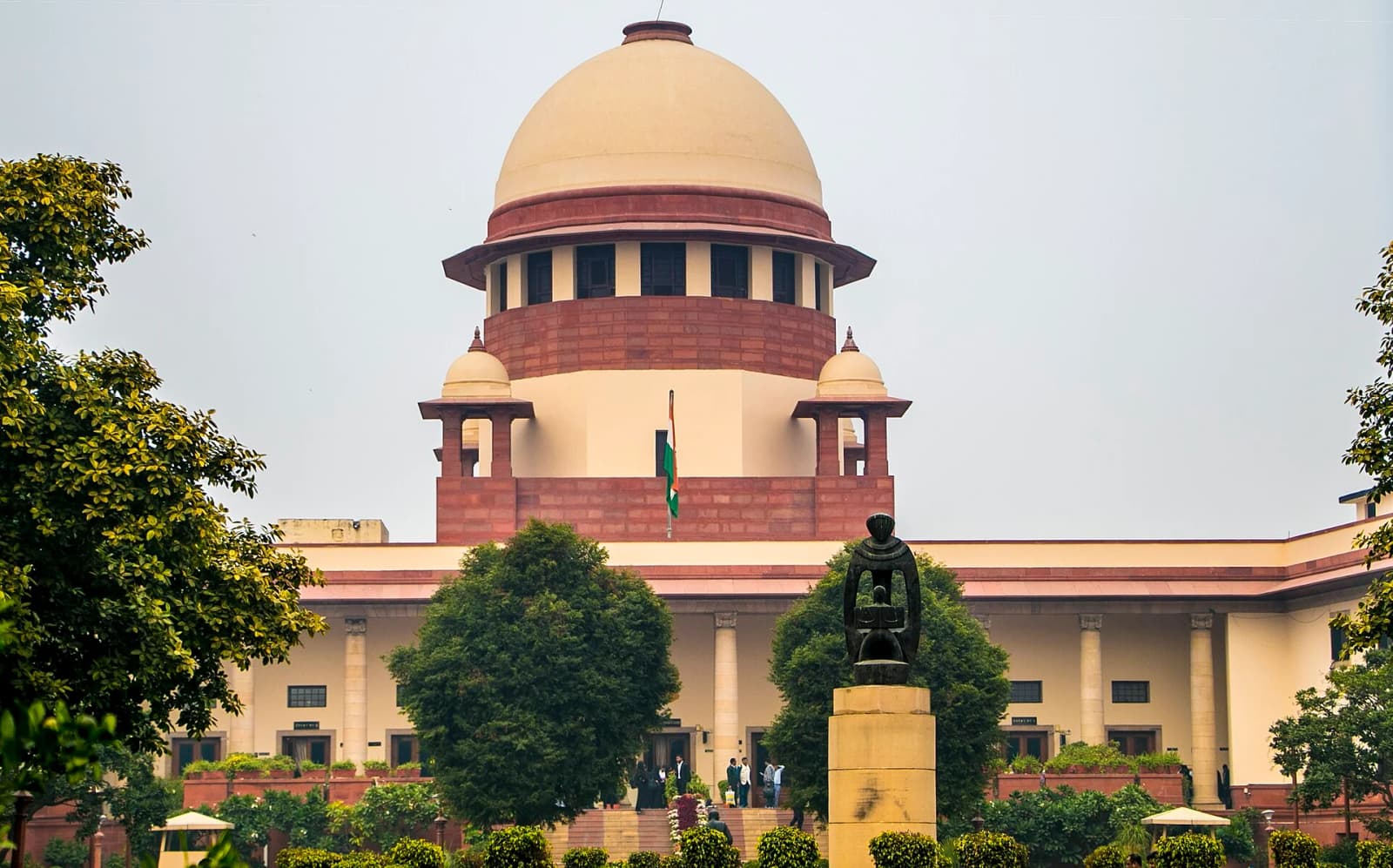
The court declined to disturb the High Court's ruling and dismissed Wani's petition, which means he remains in custody under the Unlawful Activities (Prevention) Act (UAPA). Senior Advocate Warisha Farasat appeared for Wani. According to Bar and Bench, the bench questioned during the brief hearing whether Section 43D of the UAPA would stop operating merely because the old Code of Criminal Procedure (CrPC) had been repealed.
The bench did not deliver a detailed reasoned judgment in court, according to the reports. LiveLaw described the result as an upholding of the High Court's refusal of bail, while Bar and Bench and the legal portal LawChakra specified that the dispute concerned default bail, the statutory right to release when investigators fail to file a chargesheet within the permitted time.
Why was the 90-day versus 180-day question important?
It decided whether Wani was entitled to walk out on default bail. Under the UAPA, Section 43D(2) modifies the CrPC's detention provision, Section 167, and allows a court to extend the investigation period from 90 days to as long as 180 days. Wani argued that because the First Information Report in his case was registered after the Bharatiya Nagarik Suraksha Sanhita (BNSS), 2023 replaced the CrPC, and because Section 43D(2) refers only to the CrPC and not to the BNSS's equivalent, Section 187, the extension to 180 days could not apply to him.
A Delhi High Court division bench of Justice Prathiba M Singh and Justice Vikas Mahajan rejected that argument on 18 August 2026. It held that the reference to Section 167 of the CrPC must be read as a reference to Section 187 of the BNSS, relying on Section 8 of the General Clauses Act, 1897, and on the principle of "legislation by reference", as LiveLaw reported at the time.
How the case reached the top court
According to Bar and Bench, Wani was arrested on 17 November, a week after the blast. The trial court on 13 February 2026 granted investigators a 45-day extension, taking the period to 135 days. Wani applied for default bail on 15 February. The trial court then extended the investigation period to 180 days on 27 March and rejected his bail application on 30 March. The NIA filed its chargesheet on 14 May 2026, Bar and Bench reported.
Why it matters
The question of how older special laws that cross-refer to the CrPC should operate after the BNSS came into force affects many UAPA prosecutions registered since the new criminal codes took effect. The Supreme Court's refusal to intervene leaves the Delhi High Court's interpretation, which permits the 180-day extension, in place for this case. LawChakra noted that the ruling deals only with the statutory question of default bail.
What is confirmed and what is not
Confirmed: the dismissal of Wani's plea on 23 November 2026 by the two-judge bench, the identity of his counsel and the High Court's 18 August ruling. Not yet available: a written Supreme Court order on the court's website setting out any reasons. The allegations against Wani have not been tested at trial.
What happens next
With the NIA's chargesheet already filed, the case against Wani continues before the trial court. A signed order of the Supreme Court is expected to be uploaded to the court's website.
Photo source · Shankey007, CC BY-SA 4.0